Advertisement










In this episode of Prop Personalities, we sit down with Hars...
Luxury real estate is one of the most talked-about segments ...
Welcome to Prop Personalities by Prop News Time - a podcast ...
Airports play a much bigger role than just enabling travel -...
Why does the same hotel brand operate multiple properties in...
The Delhi government is preparing a revised electric vehicle policy to encourage people to replace older vehicles with cleaner options. The proposal includes incentives of up to INR 1 lakh for electric car buyers linked to scrappage, along with benefits for two- and three-wheelers. Additional relief through road tax and registration fee exemptions is also planned until 2030. The policy builds on earlier efforts but aims to address slow adoption in private vehicle segments by offering more targeted and time-bound incentives.
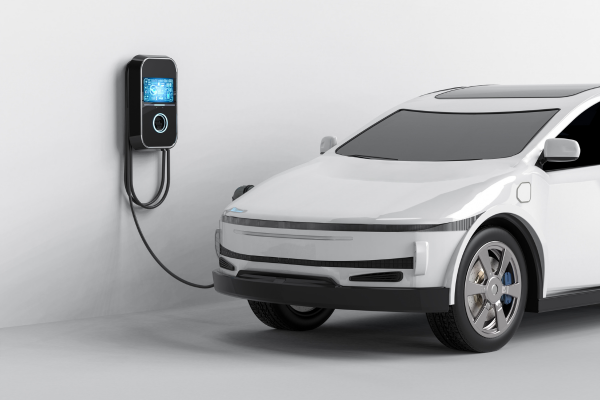
The Delhi government is working on a revised electric vehicle (EV) policy to push the adoption of cleaner transport, especially among private vehicle owners. The plan focuses on encouraging people to scrap older, polluting vehicles and switch to electric alternatives, which is seen as a key step in reducing air pollution levels in the city. Advertisement


Under the proposed policy, financial incentives will be offered across different vehicle categories. Buyers of electric two-wheelers are likely to receive around INR 10,000, while electric three-wheeler buyers may get about INR 25,000. For private electric cars, the incentive could go up to INR 1 lakh. This benefit will be available only for cars priced up to INR 15 lakh (ex-factory), and is expected to be limited to a certain number of buyers to manage the overall cost of the scheme.
A key condition in the policy is that incentives will be linked to scrappage. Only those who scrap older Delhi-registered vehicles mainly BS-IV or older will be eligible. Buyers will need to purchase a new EV within six months of receiving the scrappage certificate. The incentive amount is expected to be transferred directly to the buyer's bank account through a direct benefit transfer system, which is aimed at ensuring faster and transparent payments.
The government is also planning to extend financial relief beyond purchase incentives. Electric vehicles registered in Delhi may continue to get full exemption from road tax and registration fees until March 31, 2030. However, this benefit will apply only to vehicles priced up to INR 30 lakh, indicating that the policy is focused on mass-market adoption rather than premium segments.
The proposed policy comes as an update to Delhi's earlier EV policy introduced in 2020. That policy had set ambitious targets for EV adoption and helped increase the number of electric buses, e-rickshaws and commercial vehicles. However, adoption in private segments such as cars and personal two-wheelers has remained limited, with petrol and diesel vehicles still dominating new registrations.
Officials have indicated that the new policy takes forward earlier discussions under EV Policy 2.0, which included ideas such as higher subsidies, scrappage-linked incentives and support for retrofitting older vehicles into electric ones. The current proposal reflects a more focused approach, where benefits are targeted and linked to clear conditions rather than being widely available.
The government is expected to announce the revised policy soon. The overall aim is to reduce the cost difference between conventional vehicles and EVs, while also encouraging people to shift at an earlier stage through limited-period incentives.

5th Jun, 2025

25th May, 2023

11th May, 2023

27th Apr, 2023
Advertisement





 Facebook
 Whatsapp
