Advertisement










Private equity has played a significant role in shaping Indi...
In today’s real estate landscape, fitness is often treated...
In this episode of Prop Personalities, we sit down with Hars...
Luxury real estate is one of the most talked-about segments ...
Welcome to Prop Personalities by Prop News Time - a podcast ...
The Pune Municipal Corporation has constituted a committee to examine property tax-related grievances in areas merged into city limits, following sustained complaints from residents and elected representatives. The decision, taken in the past week under the leadership of Mayor Manjusha Nagpure, comes amid concerns over high tax assessments on residential and commercial properties in recently integrated villages. Residents have argued that the current tax structure does not account for infrastructure gaps and differs significantly from earlier gram panchayat-based systems. The committee will review representations, consult stakeholders, and recommend corrective measures in coordination with the state government. The move follows earlier suspension of tax collection in these areas and reflects ongoing efforts to address disparities in taxation as Pune expands its municipal boundaries.
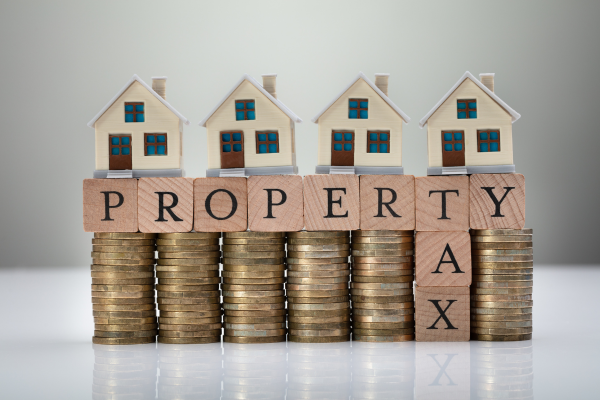
The Pune Municipal Corporation (PMC), under Mayor Manjusha Nagpure, has constituted a committee in the past week to examine property tax-related issues in areas recently merged into the city limits, following widespread complaints over high tax assessments and inconsistencies in the current system. Advertisement


The decision was taken after a meeting involving residents, corporators, and civic officials, where concerns were raised regarding the imposition of municipal-level property taxes in newly merged villages. These areas, brought under PMC jurisdiction in phases, have been at the centre of disputes over taxation, particularly due to differences between earlier gram panchayat-based levies and the current municipal framework.
Residents and local representatives indicated that both residential and commercial properties were being subjected to comparatively higher tax rates without a corresponding improvement in civic infrastructure. They pointed out that the assessment process did not adequately consider the Annual Rateable Value (ARV) of neighbouring villages, leading to perceived disparities in tax calculations.
During the discussions, several stakeholders called for a continuation of the earlier taxation model until basic amenities such as roads, drainage, and water supply are upgraded in these areas. Concerns were also raised that the imposition of higher taxes without adequate infrastructure provision was creating financial strain for property owners.
The newly formed committee has been tasked with collecting written representations from residents and elected representatives, reviewing the current tax framework, and proposing recommendations for rationalisation. Officials indicated that the panel would engage with relevant departments and coordinate with the state government before suggesting any changes to the existing system.
The issue of property taxation in merged areas has been under consideration for several months. The state government had earlier intervened by suspending property tax collection in these zones following public objections regarding inflated and inconsistent bills. This has also impacted the PMC's revenue planning, as property tax remains one of its primary sources of income.
The matter gained further attention following the recent civic elections, where corporators from merged areas demanded a dedicated review of taxation policies. Calls for a special general body meeting and a structured resolution mechanism had been raised to address disparities across different parts of the city.
Pune's municipal limits have expanded significantly in recent years, incorporating multiple peripheral villages to accommodate urban growth. However, the integration process has brought challenges in aligning taxation, infrastructure provision, and service delivery across newly added zones.
The committee's findings are expected to play a key role in shaping future property tax policies in these areas, particularly in balancing revenue requirements with infrastructure readiness and equity in taxation. The outcome will also influence how civic authorities manage similar transitions in expanding urban jurisdictions.

5th Jun, 2025

25th May, 2023

11th May, 2023

27th Apr, 2023
Advertisement





 Facebook
 Whatsapp
