Advertisement










Private equity has played a significant role in shaping Indi...
In today’s real estate landscape, fitness is often treated...
In this episode of Prop Personalities, we sit down with Hars...
Luxury real estate is one of the most talked-about segments ...
Welcome to Prop Personalities by Prop News Time - a podcast ...
The Municipal Corporation of Delhi (MCD) has introduced an online portal to streamline the collection and disposal of construction and demolition (C&D) waste across the capital, enabling residents, developers, and contractors to request pickups through a digital interface. Launched in the past week, the platform connects users with authorised transporters and provides end-to-end tracking of waste movement to designated processing facilities. The initiative aligns with the C&D Waste Management Rules, 2025, and aims to address large volumes of debris generated daily in the city. Authorities have allowed free collection for waste up to one metric tonne, with prescribed charges beyond that limit. The system is expected to strengthen compliance, reduce unauthorised dumping, and support recycling efforts in Delhi's construction sector.
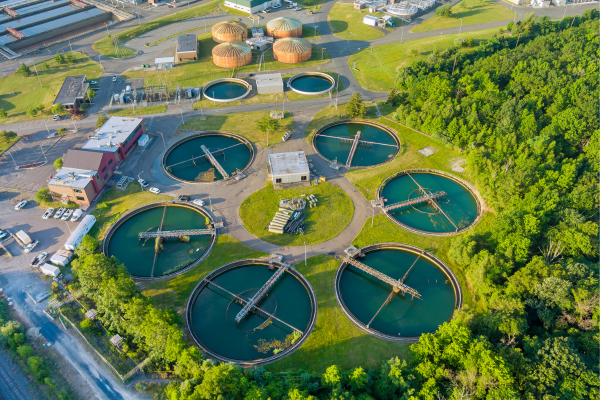
The Municipal Corporation of Delhi (MCD) has launched an online portal in the past week to facilitate the collection and disposal of construction and demolition (C&D) waste, enabling residents, contractors, and developers to schedule pickups digitally and ensuring compliance with waste management regulations across the capital. Advertisement


The platform, referred to as the Malba portal, has been introduced to address challenges associated with unregulated dumping of construction debris, which contributes significantly to urban pollution. Through the portal, users can submit requests for waste collection either online or via QR code access, after which the system assigns registered transporters to carry out the pickup and disposal process.
Officials indicated that the system is designed to provide end-to-end traceability, allowing authorities to monitor waste movement from source to authorised collection points or recycling facilities. This includes real-time tracking and data integration to ensure that debris is handled in accordance with regulatory norms. The move is aligned with broader efforts to implement the Construction and Demolition Waste Management Rules, 2025, which mandate structured handling, transportation, and processing of such waste streams.
The portal also introduces a graded pricing mechanism. Waste up to one metric tonne will be collected without charge, while quantities exceeding this threshold will be subject to fees as per MCD's prescribed rates. In addition, residents and contractors can directly transport up to 20 metric tonnes of waste to designated disposal sites without incurring charges, providing flexibility in handling varying volumes of debris.
Delhi generates an estimated 6,000 metric tonnes of construction and demolition waste daily, with a significant portion already being processed through existing recycling facilities. However, gaps in collection and monitoring have led to instances of unauthorised dumping across open spaces, roadsides, and peripheral areas. The new system is intended to address these gaps by integrating service requests, transporter networks, and processing infrastructure within a single digital framework.
The initiative also reflects regulatory directions issued for cities in the National Capital Region, which emphasise the need for digital tracking, geo-tagging of collection points, and improved monitoring of construction waste disposal. Authorities have been directed to ensure that waste generated from construction activity is deposited at designated facilities before completion or occupancy approvals are granted.
By formalising the collection process and linking it to authorised channels, the MCD aims to improve compliance among project proponents and reduce environmental impact associated with unmanaged debris. The system is expected to support better resource recovery through recycling while strengthening oversight of construction-related waste streams in a city undergoing continuous urban development.

5th Jun, 2025

25th May, 2023

11th May, 2023

27th Apr, 2023
Advertisement





 Facebook
 Whatsapp
