Advertisement










In this episode of Prop Personalities, we sit down with Hars...
Luxury real estate is one of the most talked-about segments ...
Welcome to Prop Personalities by Prop News Time - a podcast ...
Airports play a much bigger role than just enabling travel -...
Why does the same hotel brand operate multiple properties in...
Electricity demand from India's expanding data centre sector is projected to reach 13.56 gigawatts (GW) by 2031-32, according to information provided by the Ministry of Electronics and Information Technology in Parliament. Responding to a question in the Rajya Sabha, Minister of State for Electronics and IT Jitin Prasada stated that national data centre capacity has grown significantly in recent years, rising from about 375 megawatts (MW) in 2020 to roughly 1,500 MW by 2025. The anticipated surge in power demand reflects the rapid growth of artificial intelligence infrastructure and large-scale data processing facilities across the country. The government indicated that this rising energy requirement is already being factored into national power planning, while initiatives under the AI compute capacity framework are also expanding access to computing resources for startups, researchers and academic institutions.
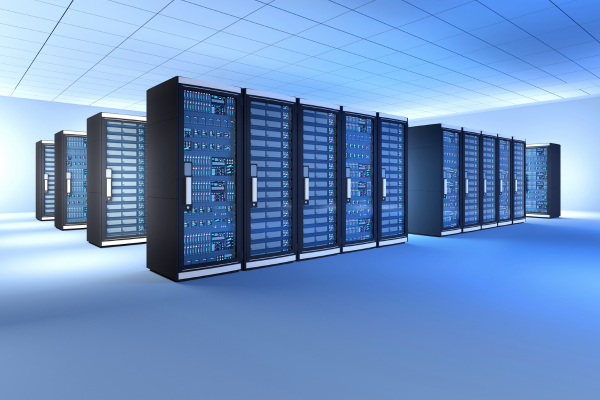
Electricity demand from India's rapidly expanding data centre industry is projected to reach 13.56 gigawatts (GW) by 2031-32, the government informed Parliament in the past week, highlighting the scale of infrastructure required to support the growth of artificial intelligence and large-scale digital services. The information was provided in a written reply to the Rajya Sabha by Minister of State for Electronics and Information Technology, Jitin Prasada. Advertisement


According to the ministry, India's data centre capacity has grown significantly over the past five years as digital infrastructure investments increased across major technology hubs. Total installed capacity has expanded from around 375 megawatts (MW) in 2020 to approximately 1,500 MW by 2025, reflecting the rapid development of hyperscale and enterprise data centre facilities across the country.
Prasada informed Parliament that the projected increase in electricity demand is primarily linked to the expansion of artificial intelligence computing infrastructure and other high-capacity digital platforms. The minister indicated that the anticipated power requirement from data centres has already been incorporated into the government's electricity planning process, based on information provided by the Ministry of Power.
Alongside the growth of physical infrastructure, the government has also been strengthening access to high-performance computing resources under its artificial intelligence initiatives. Prasada stated that around 38,231 Graphics Processing Units (GPUs) have been onboarded through 14 empanelled service providers and data centres as part of the AI compute capacity framework designed to support research and innovation in the field.
These GPU resources are being made available to startups, research institutions, academic organisations and other eligible users at subsidised rates. According to the minister, the average usage cost has been fixed at approximately INR 65 per hour, which the government stated is roughly one-third of the prevailing global average price for comparable computing services.
The data centres participating in the programme are located across several established digital infrastructure clusters in India. Key locations include Mumbai, Navi Mumbai, Hyderabad, Bengaluru, Noida and Jamnagar, which have emerged as major hubs for data centre investment due to their connectivity infrastructure, power availability and proximity to enterprise demand.
The expansion of the data centre sector is closely linked to India's broader digital economy growth, which has accelerated with the adoption of cloud computing, artificial intelligence applications, financial technology platforms and e-commerce services. As demand for digital services increases, companies have been investing in larger computing facilities capable of handling substantial volumes of data storage and processing.
Government officials indicated that planning for the corresponding electricity demand forms a critical component of national infrastructure strategy. Ensuring adequate power supply to data centres is essential because these facilities require continuous and reliable electricity to maintain servers, cooling systems and associated digital infrastructure.
With the data centre industry continuing to expand across several metropolitan and emerging technology hubs, the projected demand of 13.56 GW by 2031-32 reflects the increasing scale of digital infrastructure supporting India's technology ecosystem.
Source - PTI

5th Jun, 2025

25th May, 2023

11th May, 2023

27th Apr, 2023
Advertisement





 Facebook
 Whatsapp
