Advertisement










In this episode of Prop Personalities, we sit down with Hars...
Luxury real estate is one of the most talked-about segments ...
Welcome to Prop Personalities by Prop News Time - a podcast ...
Airports play a much bigger role than just enabling travel -...
Why does the same hotel brand operate multiple properties in...
Several flyovers across Delhi are showing visible signs of structural deterioration, including cracks on road surfaces, potholes, damaged expansion joints and general wear caused by ageing infrastructure and heavy traffic loads. Authorities have identified at least 17 flyovers across the capital that require repair and maintenance to address safety concerns. Many of these elevated structures were built more than two decades ago as rapid interventions to ease congestion at key intersections and corridors. Over time, increased traffic volumes, delayed maintenance and ageing construction components have contributed to their current condition. Engineers and officials have indicated that repairs, inspections and structural audits will be required to maintain commuter safety and ensure the continued functioning of these transport links, which carry a substantial share of the city's daily vehicular movement.
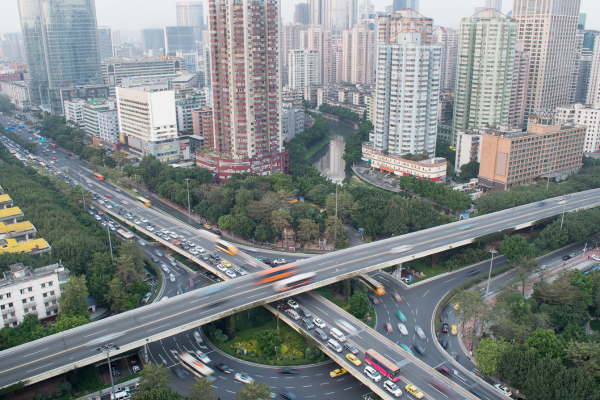
Delhi's urban transport infrastructure is showing signs of strain as several flyovers across the capital display cracks, potholes and deteriorating expansion joints, prompting authorities to identify at least 17 structures that require repair and maintenance. The issue has drawn attention to the ageing condition of many flyovers built more than two decades ago to address traffic congestion at major junctions and arterial roads across the city. Advertisement


One example frequently cited by commuters is the flyover at Nehru Place in south Delhi, which has been in operation for more than 20 years. Observations at the site show cracks on portions of the carriageway surface and expansion joints that produce noticeable rattling noises when vehicles pass over them. Such wear is generally associated with ageing structures and continuous exposure to heavy traffic loads over long periods.
Flyovers were constructed across Delhi in large numbers during the early 2000s and earlier decades to provide quick solutions to rising traffic congestion. These elevated roadways allowed vehicles to bypass busy intersections and improve traffic flow along major corridors. However, many of these structures were developed under time pressure to address immediate mobility challenges, and the cumulative impact of ageing, maintenance gaps and rising vehicle volumes is now becoming more visible.
Infrastructure engineers note that flyovers require periodic structural maintenance, including resurfacing of road decks, replacement of worn expansion joints, repair of concrete surfaces and strengthening of safety components such as guard rails and crash barriers. If such work is delayed, small defects such as cracks and potholes can gradually worsen, potentially affecting the durability of the structure and the safety of motorists.
The Public Works Department (PWD) and other civic agencies responsible for maintaining Delhi's road network have begun identifying flyovers that need repairs and inspection. Officials have indicated that 17 flyovers across the city have been marked for maintenance interventions as part of ongoing monitoring of road infrastructure conditions. The proposed work is expected to focus on repairing damaged road surfaces, addressing structural wear and restoring safety features on the elevated corridors.
The condition of these flyovers also reflects broader pressures on Delhi's road infrastructure. Traffic volumes in the capital have increased significantly over the past two decades as vehicle ownership has expanded and urban development has intensified around major commercial and residential corridors. As a result, elevated roads that were designed for earlier traffic levels now carry substantially higher loads throughout the day.
Urban infrastructure specialists emphasise that periodic structural audits and proactive maintenance are necessary to ensure the long-term safety of flyovers and bridges. Regular inspections allow engineers to identify early signs of deterioration and carry out repairs before defects escalate into larger structural problems.
With many of Delhi's elevated road structures approaching or exceeding two decades of operation, authorities are expected to continue monitoring their condition and undertaking maintenance work to ensure that these corridors remain safe and functional for the city's daily traffic movement.

5th Jun, 2025

25th May, 2023

11th May, 2023

27th Apr, 2023
Advertisement





 Facebook
 Whatsapp
