Advertisement










When should a housing society in Mumbai start considering re...
From GST on JDAs to SEBI’s REIT reclassification and the S...
Stay ahead in the world of real estate with our daily podcas...
Stay ahead in the world of real estate with our daily podcas...
Indian pharmaceutical exporters have urged the government to introduce freight subsidies and provide logistical support as escalating shipping costs threaten the competitiveness of drug shipments to overseas markets, particularly West Asia. The Pharmaceuticals Export Promotion Council of India (Pharmexcil) said freight rates have risen sharply due to disruptions in maritime routes and increased insurance costs linked to geopolitical tensions in the Gulf region. Exporters are facing surcharges ranging from USD 4,000 to USD 8,000 per shipment, significantly increasing logistics expenses. The West Asia and North Africa region accounts for about 5.5% of India's pharmaceutical exports and remains a key destination for generic medicines. Industry bodies have warned that continued disruption to shipping routes could lead to export losses of up to INR 2,500-5,000 crore and have sought government intervention to stabilise logistics costs and maintain export momentum.
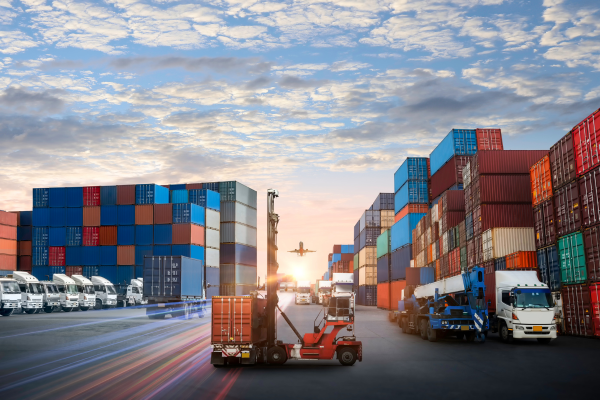
Indian pharmaceutical exporters have sought freight subsidies and additional logistical support from the government as rising transportation costs linked to geopolitical tensions in West Asia increase pressure on export operations, according to industry representatives. Advertisement


The Pharmaceuticals Export Promotion Council of India (Pharmexcil), which represents the country's pharmaceutical exporters, has highlighted that escalating freight charges and supply-chain disruptions are affecting shipments to overseas markets, particularly the Gulf and wider West Asia North Africa region. These markets are significant destinations for Indian generic medicines and pharmaceutical formulations.
Industry officials indicated that freight costs have increased sharply due to disruptions in key maritime trade routes following escalating tensions in the Gulf region. Shipping companies have imposed additional surcharges ranging between USD 4,000 and USD 8,000 per shipment, substantially raising logistics expenses for exporters. Higher insurance premiums, longer shipping routes and increased fuel prices have also contributed to the rise in transport costs.
Pharmexcil has cautioned that continued disruptions could affect the competitiveness of Indian pharmaceutical exports, particularly for companies dependent on markets in the Gulf Cooperation Council (GCC) countries and other West Asian destinations. The council noted that exporters rely heavily on efficient shipping routes and temperature-controlled logistics to ensure timely delivery of medicines.
The West Asia and North Africa region accounts for about 5.5% of India's total pharmaceutical exports and remains an important market for generic drugs, vaccines, surgical products and wellness formulations produced by Indian manufacturers. Export values to the region have grown steadily in recent years, reflecting strong demand for affordable medicines from India.
However, the ongoing logistics disruptions could have a measurable financial impact on the sector. Industry estimates suggest that if shipments to West Asia are severely disrupted, the pharmaceutical industry could face export losses ranging between approximately INR 2,500 crore and INR 5,000 crore during the current month.
Pharmexcil has therefore requested the government to consider temporary freight subsidies and policy measures to mitigate the impact of rising logistics costs. Exporters have also suggested strengthening alternative transport arrangements and improving logistical coordination to ensure uninterrupted supply of medicines to international markets.
The pharmaceutical sector remains one of India's major export industries, supplying generic medicines to more than 200 countries. Industry representatives indicated that maintaining stable shipping routes and cost-efficient logistics will be critical to sustaining export growth as global supply chains continue to face disruptions linked to geopolitical developments.

5th Jun, 2025

25th May, 2023

11th May, 2023

27th Apr, 2023
Advertisement








 Facebook
 Whatsapp
