Advertisement










Private equity has played a significant role in shaping Indi...
In today’s real estate landscape, fitness is often treated...
In this episode of Prop Personalities, we sit down with Hars...
Luxury real estate is one of the most talked-about segments ...
Welcome to Prop Personalities by Prop News Time - a podcast ...
Dubai International Airport maintained its position as the world's busiest airport last year, handling a record 95.2 million passengers, reflecting the city's sustained economic growth and surging travel demand. Dubai's tourism rose to 19.6 million visitors, marking a third consecutive year of record-breaking figures. India remained the top destination, followed by Saudi Arabia and the United Kingdom. While the airport benefits from a real estate boom and growing international appeal, the city faces rising traffic and living costs. Plans are underway to shift operations to Al Maktoum International by 2032 after a USD 35 billion upgrade.
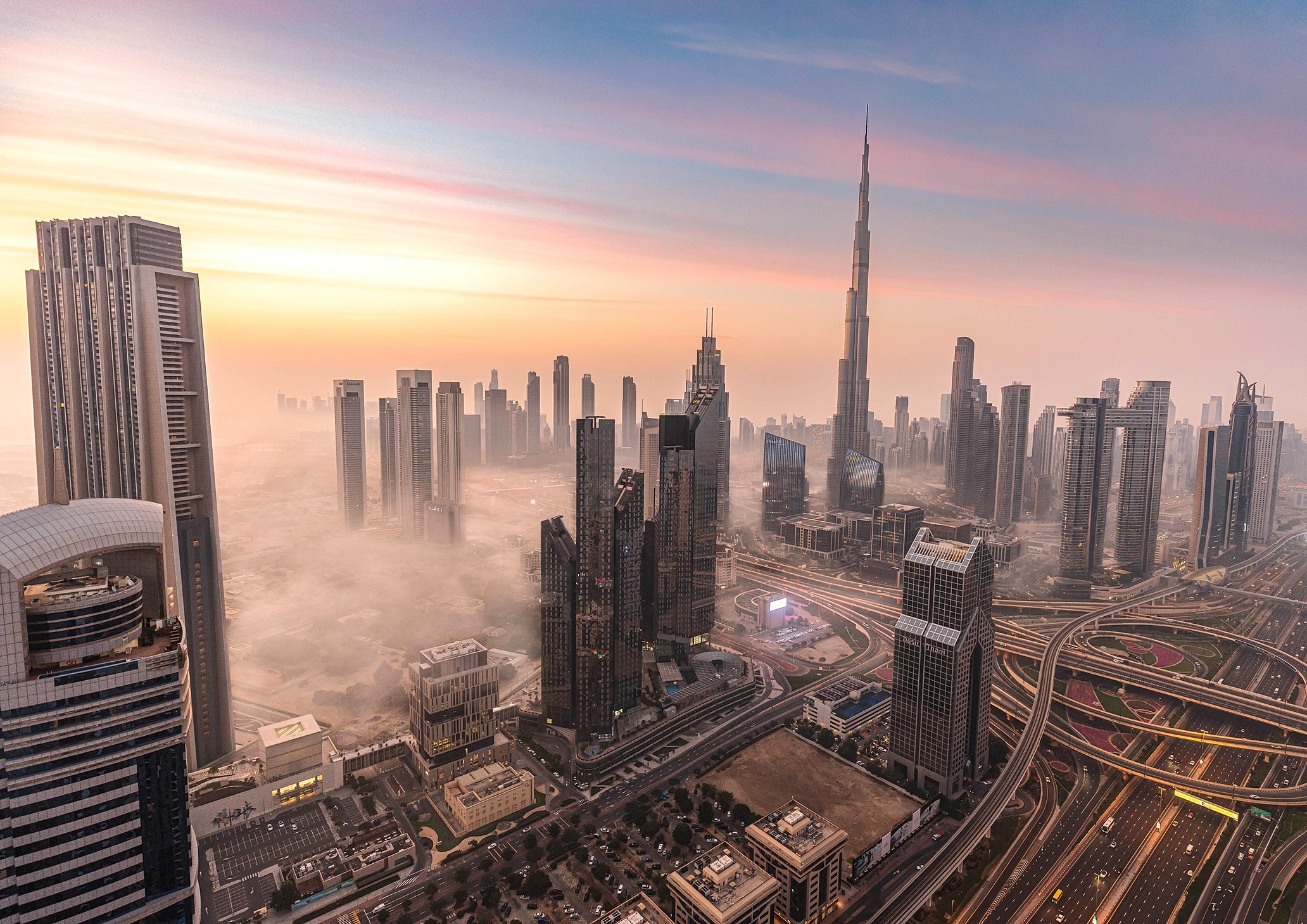
Dubai International Airport continued to lead globally in passenger traffic, hosting 95.2 million travelers last year. This milestone highlights the emirate's ongoing economic expansion and its strong position in global travel networks. The airport's growth accelerated in the post-pandemic period, fueled by worldwide travel demand and the city's thriving tourism, business, and real estate sectors. Dubai reported a 5% increase in tourist arrivals last year, reaching 19.6 million visitors, marking three consecutive years of record-breaking tourism figures. Advertisement


The state-owned airport is closely linked to Emirates, the long-haul airline that powers many state-owned and affiliated enterprises across the emirate, often collectively referred to as Dubai Inc. Dubai Airports CEO Paul Griffiths said that record traffic is now part of the airport's normal operations, reflecting the growing consistency of high passenger volumes.
Passenger numbers at Dubai International have steadily risen in recent years: 92.3 million travelers in 2024, 86.9 million the year before, and 86.3 million in 2019, just prior to the pandemic. In 2018, the airport handled 89.1 million passengers, showing a consistent upward trajectory in traffic over the years.
India remained the most popular outbound destination from Dubai International, with 11.9 million travelers, followed by Saudi Arabia with 7.5 million and the United Kingdom with 6.3 million passengers. The airport currently serves 108 airlines flying to 291 cities across 110 countries, making it a major global transit hub.
Dubai's growing real estate market and record tourism numbers have turned the city into both a destination and a transit point for travelers. However, the city now faces challenges, including rising traffic congestion and increasing living costs, which are affecting both Emirati citizens and the large population of foreign residents who contribute to the economy.
To address future capacity needs, authorities plan to gradually shift airport operations to Al Maktoum International Airport, located approximately 45 kilometers away. Initially opened in 2010 with a single terminal, Al Maktoum served as a parking hub for Emirates Airbus A380s during the pandemic. The airport has since resumed cargo, commercial, and private flights and also hosts the biennial Dubai Air Show. With its expansive surrounding desert, Al Maktoum has significant potential for future expansion.
Officials plan to transfer operations to Al Maktoum by 2032 following a roughly USD 35 billion upgrade, which aims to accommodate rising passenger numbers and support Dubai's continued growth as a global aviation and business hub.
Source PTI
FAQ
Q1. How many passengers did Dubai International Airport handle last year?
Dubai International Airport hosted a record 95.2 million passengers last year, maintaining its position as the world's busiest airport. This milestone reflects the emirate's sustained economic growth and its growing prominence in global travel networks. The airport's traffic growth has accelerated post-pandemic, driven by international travel demand, booming tourism, and a strong real estate and business environment in Dubai.
Q2. How has Dubai's tourism performed?
Tourist arrivals in Dubai rose to 19.6 million, marking a 5% increase from the previous year and making it the third consecutive year of record-breaking figures. The growth underscores the city's appeal as a global destination for leisure, business, and transit travelers. Dubai's tourism sector benefits from its international connectivity, entertainment offerings, and integration with major enterprises often referred to collectively as Dubai Inc
Q3. Which are the top destinations from Dubai International Airport?
India remained the most popular destination, with 11.9 million travelers, followed by Saudi Arabia at 7.5 million and the United Kingdom with 6.3 million passengers. Dubai International currently serves 108 airlines flying to 291 cities across 110 countries, reinforcing its role as a major global transit and connecting hub.
Q4. How has passenger traffic trended in recent years?
Passenger numbers at Dubai International have shown steady growth over the years. In 2024, it handled 92.3 million passengers, while the year before saw 86.9 million. Pre-pandemic figures in 2019 were 86.3 million, and in 2018 the airport served 89.1 million travelers. The consistent increase highlights the airport's resilience and Dubai's rising international travel demand.
Q5. What challenges is Dubai facing due to growth?
Despite record passenger numbers and a booming real estate sector, Dubai faces rising traffic congestion and increasing living costs. These challenges affect both Emirati citizens and the large expatriate population that contributes to the city's economic growth. Urban planning and infrastructure improvements are critical to managing the city's continued expansion and maintaining its global competitiveness.
Q6. What are the plans for Al Maktoum International Airport?
Authorities plan to gradually shift airport operations to Al Maktoum International Airport by 2032 to meet rising passenger demand. Opened in 2010, Al Maktoum initially served as a parking hub for Emirates Airbus A380s during the pandemic. It now handles cargo, commercial, and private flights and hosts events like the Dubai Air Show. With a surrounding desert allowing significant expansion, the airport is set for a USD 35 billion upgrade to accommodate future traffic and reinforce Dubai's global aviation hub status.
Q7. How does this growth impact Dubai's global aviation position?
Dubai International's consistent traffic growth, extensive flight network, and ongoing infrastructure upgrades strengthen the city's status as a global aviation and business hub. By managing capacity through Al Maktoum International and supporting tourism, cargo, and real estate development, Dubai aims to maintain its leadership in international air travel while balancing urban growth challenges.

5th Jun, 2025

25th May, 2023

11th May, 2023

27th Apr, 2023
Advertisement





 Facebook
 Whatsapp
