Advertisement










Private equity has played a significant role in shaping Indi...
In today’s real estate landscape, fitness is often treated...
In this episode of Prop Personalities, we sit down with Hars...
Luxury real estate is one of the most talked-about segments ...
Welcome to Prop Personalities by Prop News Time - a podcast ...
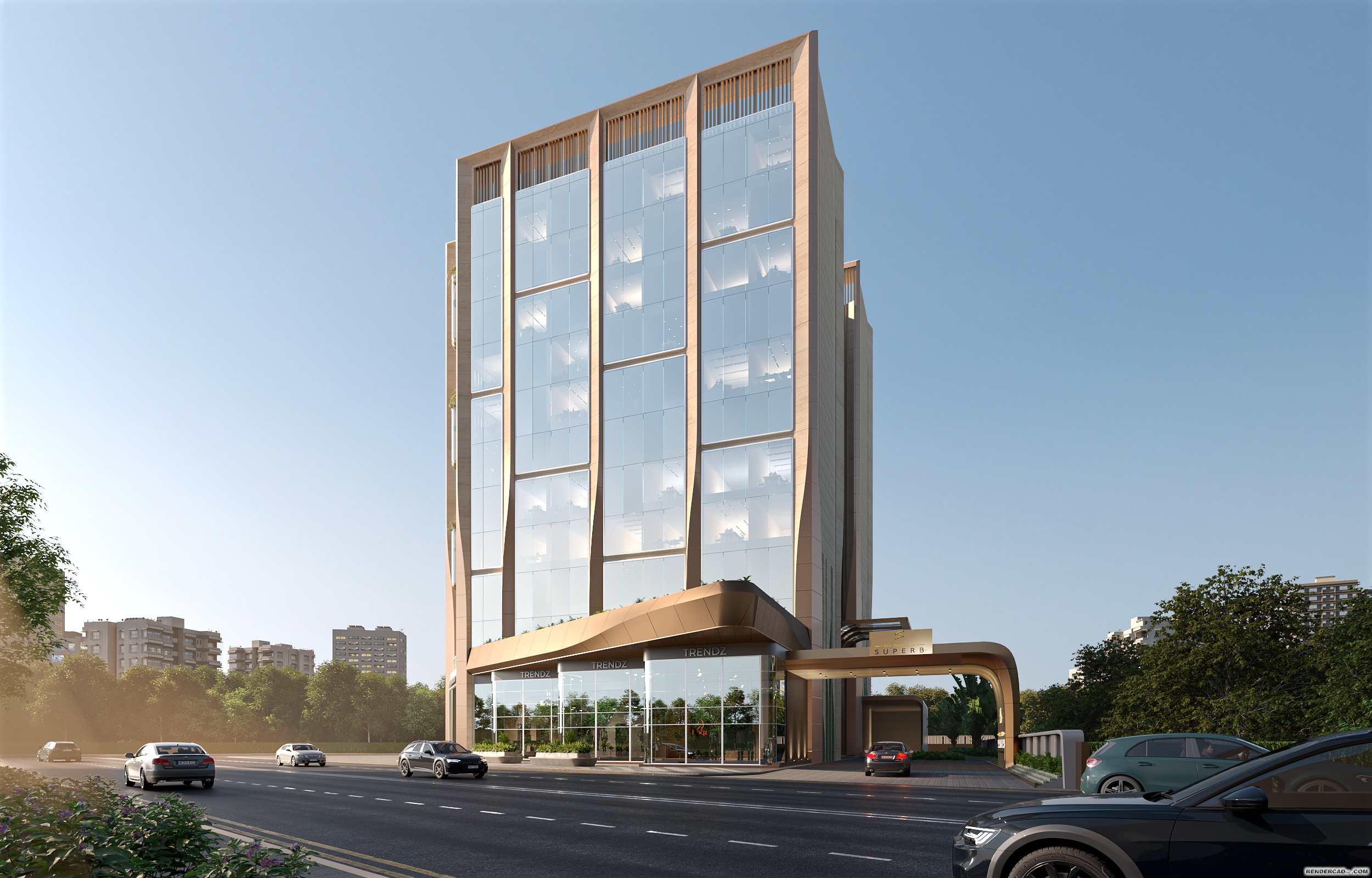
Deteriorating air quality in Mumbai is increasingly influencing how occupiers and investors evaluate office real estate, shifting focus from conventional specifications to health performance and building intelligence. Against this backdrop, Superb Realty has announced Superb Altura, a Grade A mixed-use commercial development at the Amar Mahal junction in the Chembur - Ghatkopar corridor. The project is positioned around integrated building systems that continuously monitor and optimise indoor air quality, energy use and operational efficiency. With outdoor pollution becoming a structural urban challenge rather than a seasonal concern, developers are embedding resilience and wellbeing into core design. Altura reflects this transition, combining real-time environmental controls, operational automation and GRIHA-aligned sustainability measures, as office assets increasingly need to protect occupant health while maintaining long-term performance and regulatory relevance.
Persistently poor air quality across Mumbai is prompting a reassessment of how office buildings are designed, operated and valued. As pollution levels frequently move into the poor and very poor categories, occupiers are no longer assessing offices solely on location, grade or amenities. Increasingly, attention is shifting to how buildings manage indoor environments, safeguard health and perform reliably within a high-pollution urban context. Advertisement


This evolving occupier mindset is shaping new development strategies within the city's commercial real estate market. Developers are moving beyond conventional green certifications and static design features towards integrated systems that actively manage air quality, energy consumption and operational resilience. The objective is to create workplaces that can adapt continuously to external environmental stress rather than respond retrospectively.
Superb Realty's newly announced Superb Altura at the Amar Mahal junction in the Chembur-Ghatkopar corridor reflects this shift. Planned as a Grade A mixed-use commercial development, the project has been designed around a unified building management framework that integrates indoor air quality monitoring, HVAC, energy management, access control and safety systems. These systems are intended to operate dynamically, allowing real-time analysis and automated adjustments based on occupancy patterns and external conditions.
Indoor air quality, which has emerged as a boardroom-level concern for many corporates, forms a central design consideration. The project enables continuous tracking of air parameters, automated alerts and system-led optimisation to maintain healthier indoor environments. Ventilation, temperature and lighting are designed to adjust responsively, balancing occupant wellbeing with energy efficiency. The stated design ambition is to achieve very low indoor AQI levels despite challenging outdoor conditions.
From an operational perspective, the integrated approach is expected to improve asset efficiency, with energy optimisation estimated at 15-25% through continuous performance monitoring. Predictive maintenance features are also aimed at reducing unplanned downtime and improving lifecycle reliability, factors that are increasingly relevant for institutional occupiers and investors.
Beyond building systems, the development incorporates large floor plates, three-side open frontage and enhanced daylight access. Terrace lounges, breakout zones and limited balcony offices are planned to support changing workplace preferences. Curated retail and food-and-beverage components are positioned to support daily user requirements and long-term asset viability.
As regulatory expectations and ESG scrutiny intensify, projects with adaptable, technology-led systems may face lower retrofit risks over time. In a city confronting worsening air quality, developments such as Altura illustrate how commercial real estate is being recalibrated to prioritise health performance, operational resilience and long-term value preservation alongside traditional metrics.

5th Jun, 2025

25th May, 2023

11th May, 2023

27th Apr, 2023
Advertisement





 Facebook
 Whatsapp
