Advertisement










Private equity has played a significant role in shaping Indi...
In today’s real estate landscape, fitness is often treated...
In this episode of Prop Personalities, we sit down with Hars...
Luxury real estate is one of the most talked-about segments ...
Welcome to Prop Personalities by Prop News Time - a podcast ...
Vikram Solar and Waaree Energies have indicated that recent US countervailing duties on certain solar products from India are unlikely to have a significant financial impact on their operations. Both companies highlighted their diversified supply chains, which reduce reliance on Indian-origin cells, helping maintain continuity in their US orders. With India's Cabinet easing evacuation infrastructure, installation momentum is expected to increase. Recent major contracts, including a 378.75 MW module order from Indian Oil-NTPC Green Energy for Gujarat, reflect ongoing growth. Both firms are also planning to expand US manufacturing capacity this fiscal year.
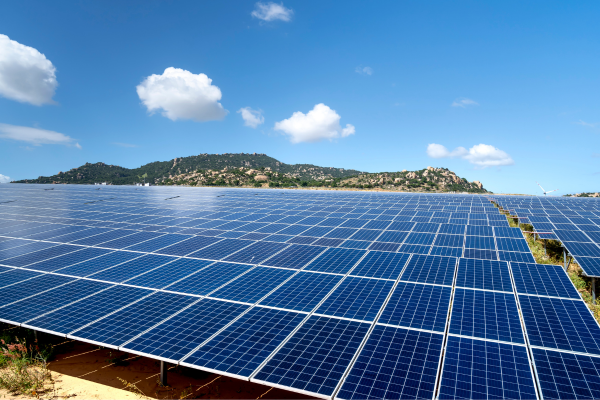
Vikram Solar and Waaree Energies have stated that the US decision to impose preliminary countervailing duties on certain Indian solar goods is unlikely to cause significant disruption to their business. Gyanesh Chaudhary, CMD of Vikram Solar, explained that the duties specifically target Indian-origin cells, whereas the company?s US supply strategy relies on a diversified network, including sources from countries with lower tariff exposure. He added that this limits the direct financial impact on the company. Advertisement


Chaudhary also mentioned that the recent easing of evacuation infrastructure by the Indian Cabinet is expected to boost solar installation momentum across the country. The company?s recent order wins, such as a 378.75 MW module contract from Indian Oil?NTPC Green Energy for a large-scale Gujarat project, demonstrate this growth trajectory.
Abhishek Pareek, Group Head Finance at Waaree Energies, confirmed that the company does not foresee any material adverse effect on its ability to meet US orders. He noted that this follows the US Department of Commerce?s announcement of preliminary countervailing duties at 126 percent on certain solar imports from India.
Despite the earlier imposition of a 50 percent duty, Waaree Energies has continued to ramp up shipments to the US during the first nine months of the current financial year. The company is further expanding its US manufacturing capacity to around 4.2 GW by the end of the fiscal year, subject to operational schedules and other standard factors.
Source PTI
FAQ
1. What recent US action affects Indian solar companies?
The US Department of Commerce has imposed preliminary countervailing duties of 126% on certain solar products imported from India. These duties are aimed at Indian-origin solar cells, raising costs for imports, but companies with diversified supply chains can mitigate impact.
2. How will these duties impact Vikram Solar?
Vikram Solar has stated that the duties are unlikely to cause significant disruption. Its US operations rely on a diverse supply network, sourcing from countries with lower tariff exposure. This ensures continuity of existing US orders and limits direct financial effects on the company.
3. How will Waaree Energies be affected?
Waaree Energies does not expect any major financial impact. Despite previous duties of 50%, it has continued shipments to the US, maintaining operational momentum. The company is also expanding its US manufacturing capacity to around 4.2 GW by the end of the fiscal year, strengthening its ability to meet international demand.
4. What recent domestic growth supports these companies? resilience?
Vikram Solar recently secured a 378.75 MW module order from Indian Oil?NTPC Green Energy for a Gujarat-based project. The easing of evacuation infrastructure by the Indian government is expected to boost solar installation momentum across India, further supporting both companies? business pipelines.
5. How are the companies preparing for the future amid US duties?
Both firms are leveraging diversified supply chains and expansion plans to maintain steady operations. Investments in US manufacturing and ongoing domestic project execution position them to continue growth, maintain export orders, and strengthen their global presence, despite trade tariffs and policy changes.

5th Jun, 2025

25th May, 2023

11th May, 2023

27th Apr, 2023
Advertisement





 Facebook
 Whatsapp
