Advertisement










Private equity has played a significant role in shaping Indi...
In today’s real estate landscape, fitness is often treated...
In this episode of Prop Personalities, we sit down with Hars...
Luxury real estate is one of the most talked-about segments ...
Welcome to Prop Personalities by Prop News Time - a podcast ...
The Union Cabinet has approved a 3.33-kilometre extension of the North-South corridor of the Gujarat Metro that will connect GIFT City with Shahpur in Ahmedabad at an estimated cost of INR 1,067.35 crore. The decision was taken in the Cabinet meeting chaired by Prime Minister Narendra Modi on 24 February and marks a key expansion of the state's urban transport infrastructure. The elevated corridor will feature three new metro stations and is scheduled for completion in about four years. Government projections indicate daily ridership will reach around 23,700 passengers by 2029, rising to nearly 58,000 by 2041. The project, to be implemented by the Gujarat Metro Rail Corporation Limited (GMRC), is expected to improve connectivity between Ahmedabad's core city, the Gujarat International Finance Tec-City (GIFT City) and its surrounding commercial and educational hubs, while generating employment during construction and operations.
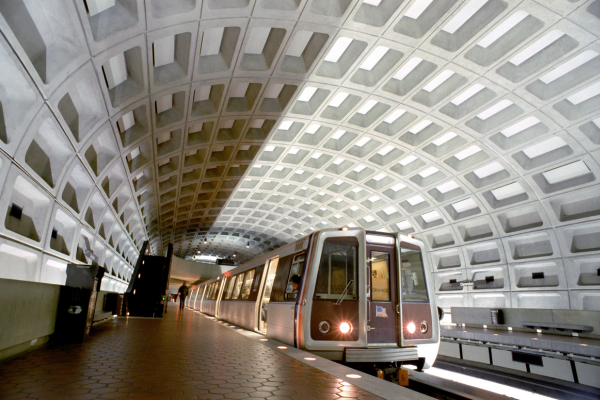
Ahmedabad The Union Cabinet has granted approval for a 3.33-kilometre extension of the existing North-South corridor of the Gujarat Metro from GIFT City to Shahpur, in a development expected to significantly enhance urban connectivity in the Ahmedabad metropolitan region. The decision was formalised during the Cabinet's first meeting chaired by Prime Minister Narendra Modi earlier this week. Advertisement


Under the sanctioned plan, the extension which will be part of the broader Ahmedabad Metro network will include three elevated metro stations along the 3.33-kilometre alignment. The project, estimated to cost INR 1,067.35 crore, is scheduled for completion in approximately four years, with construction to be overseen by the Gujarat Metro Rail Corporation Limited (GMRC) a 50:50 joint venture between the Government of India and the Government of Gujarat.
Government projections suggest that the extended corridor will serve around 23,702 daily passengers by 2029, with the number expected to grow to about 58,059 by 2041, reflecting anticipated travel demand along the new alignment. The metro extension aims to strengthen connectivity between central Ahmedabad and the GIFT City region a growing nucleus for financial services, multinational companies and educational institutions thereby facilitating access for commuters travelling for business, employment and education purposes.
The project is part of the phased expansion of the Gujarat Metro network, which currently includes the 68.28-kilometre Ahmedabad Metro Phase-I and Phase-II corridors, together comprising 53 operational stations. Phase-I connects APMC Market to Motera Stadium and Thaltej Gam to Vastral Gam, while Phase-II links Motera Stadium to Mahatma Mandir and GNLU to GIFT City.
Officials noted that the metro extension is expected to create employment opportunities during both construction and operational phases. Approximately 1,000 jobs are projected to be generated while the corridor is built, and a further 250 roles will be created in operations and maintenance once the extension becomes operational, alongside additional indirect employment opportunities.
Urban transport planners and local authorities have welcomed the Cabinet's decision, describing the extension as a critical link to improve public transport integration in emerging economic zones and support sustainable urban mobility. The enhanced metro reach is anticipated to reduce traffic congestion and provide a reliable mass transit option for daily commuters across Ahmedabad's expanding urban landscape.
As the project moves from sanction to implementation, detailed tendering and preparatory work are expected to follow, with authorities focusing on ensuring timely execution and integration with the existing network. The government has emphasised the importance of such infrastructure investments in fostering balanced urban growth and supporting the evolving transportation needs of rapidly growing cities.

5th Jun, 2025

25th May, 2023

11th May, 2023

27th Apr, 2023
Advertisement





 Facebook
 Whatsapp
