Advertisement










Private equity has played a significant role in shaping Indi...
In today’s real estate landscape, fitness is often treated...
In this episode of Prop Personalities, we sit down with Hars...
Luxury real estate is one of the most talked-about segments ...
Welcome to Prop Personalities by Prop News Time - a podcast ...
The global blue zones concept, which examines communities with exceptional longevity, is influencing a new generation of residential development in Dubai as the city aligns urban growth with wellbeing and sustainability. The idea underpins Keturah Reserve, a AED 5.7 billion bio-living project being developed at Mohammed Bin Rashid City, District 7, by the Keturah luxury brand. Inspired by research initiated by American author Dan Buettner, the development integrates environmental design focused on air, water and light. The project coincides with Dubai Municipality's Blue and Green Spaces Roadmap, launched at the recent World Governments Summit, which outlines more than AED 4 billion of investment in parks, trees and recreational spaces over the next five years, reinforcing Dubai's push towards wellbeing-led urban development.
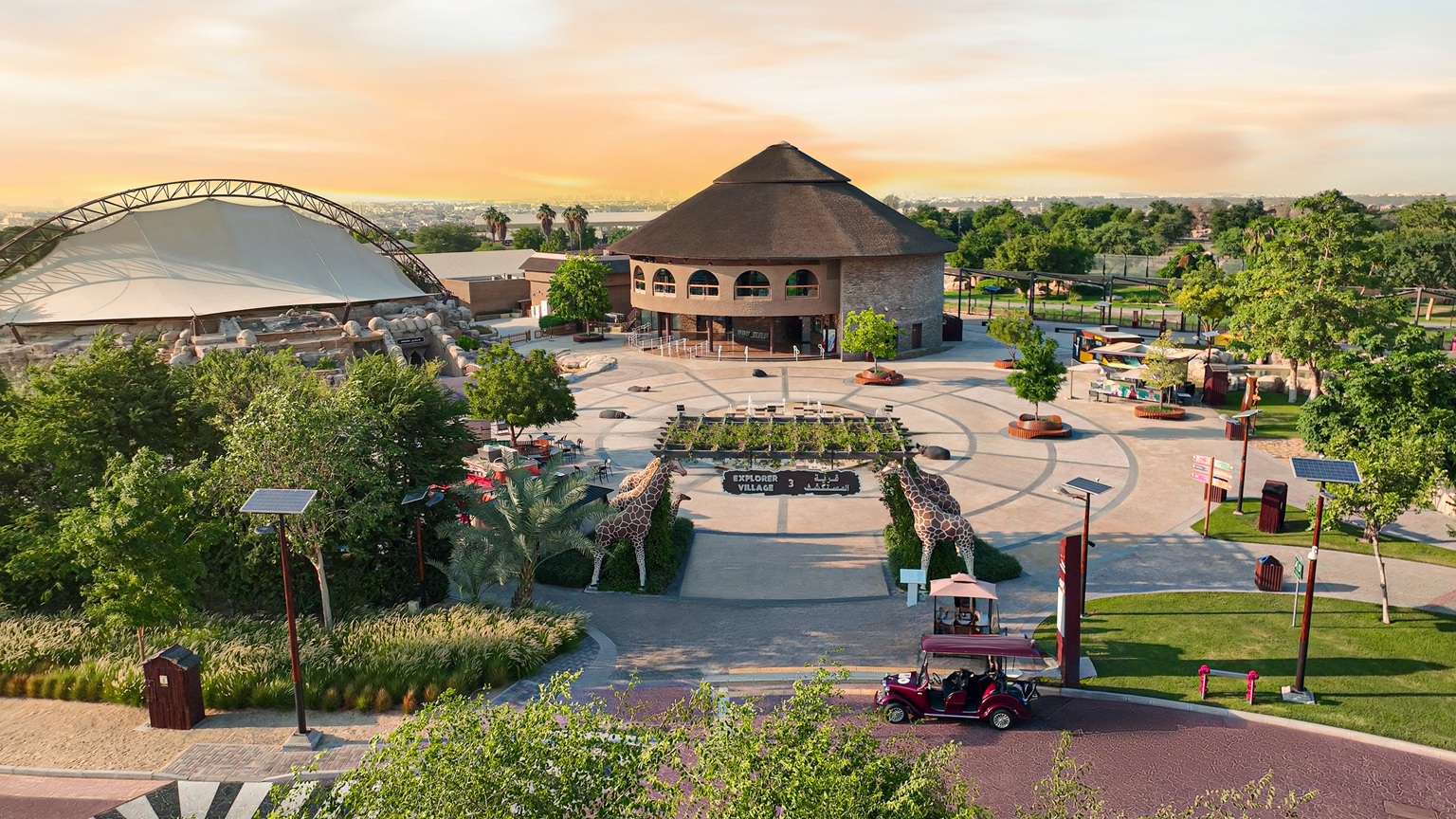
Scientific research into longevity, commonly known as the blue zones concept, is shaping a new approach to residential development in Dubai, as developers increasingly align design with health, nature and long-term wellbeing. The concept is being applied at Keturah Reserve, a AED 5.7 billion bio-living community under development at Mohammed Bin Rashid City's District 7. Advertisement


The term blue zones was first introduced in 2000 by Dan Buettner, an American writer and National Geographic Fellow, following research into the Japanese islands of Okinawa. Subsequent studies identified four additional regions Sardinia in Italy, the Nicoya Peninsula in Costa Rica, Icaria in Greece and Loma Linda in California where residents not only live longer but maintain a higher quality of life into old age. A common factor across these regions was the close integration of nature and healthy behaviour into daily living.
This research has influenced the design philosophy behind Keturah Reserve, which Talal M. Al Gaddah, CEO and founder of the Keturah luxury brand, described as a first-of-its-kind development in the Gulf. The project is based on the premise that air, water and light are core environmental inputs that directly impact human health. Air purification systems are designed to remove dust, chemical compounds and pathogens, while water infrastructure is treated with similar attention to quality and consistency.
Lighting across the community has been planned to adjust throughout the day to reflect natural daylight cycles, supporting circadian rhythms. Landscaping is a central component of the masterplan, incorporating mature trees, including centuries-old olive trees, green corridors and Japanese-inspired dry gardens integrated into shared public spaces.
The development includes family-oriented infrastructure such as safe play areas, educational spaces, a cr che and daycare centre, alongside programmes including summer camps, Montessori classes and a bio-living farm intended to encourage outdoor activity and learning.
The project has been launched at a time when Dubai is embedding nature into its broader urban strategy. At the recent World Governments Summit, Dubai Municipality unveiled its Blue and Green Spaces Roadmap, outlining projects valued at over AED 4 billion. Over the next five years, the plan targets the planting of 1.5 million trees, the creation of 120 new parks across nearly 3 million sq m, and the integration of more than 200 sports and recreational spaces into citywide green networks.
According to Al Gaddah, wellness-focused developments in Dubai are already commanding price premiums of up to 15%, with branded residences achieving premiums of 15% to 25%. He added that projects combining green infrastructure, walkability and community amenities are expected to continue outperforming the wider residential market as health and longevity increasingly influence buyer decisions.

5th Jun, 2025

25th May, 2023

11th May, 2023

27th Apr, 2023
Advertisement





 Facebook
 Whatsapp
