Advertisement










Private equity has played a significant role in shaping Indi...
In today’s real estate landscape, fitness is often treated...
In this episode of Prop Personalities, we sit down with Hars...
Luxury real estate is one of the most talked-about segments ...
Welcome to Prop Personalities by Prop News Time - a podcast ...
Sri Lanka is set to expand Jaffna International Airport to increase foreign tourist arrivals and improve services in the northern region. The government expects this development to stimulate the local economy by allowing larger passenger flights. The first phase is underway, and the second phase will begin by June, targeting completion by next July. Currently, the airport manages 10 weekly flights from Chennai and Trichy using ATR 72 aircraft. Established by the British in 1947, the airport has long served as a key transport hub in the North.
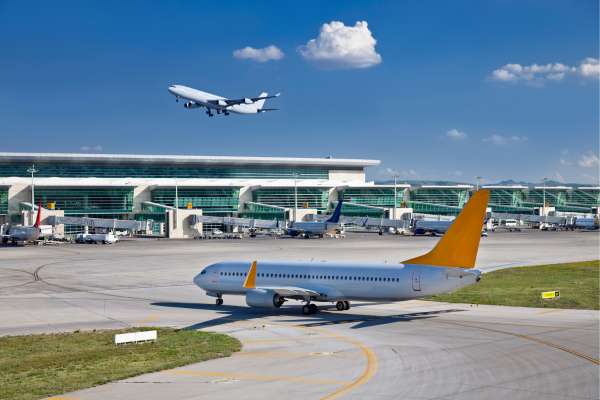
Sri Lanka is moving ahead with plans to expand the Jaffna International Airport to handle a larger number of foreign tourists and improve services for visitors to the northern region, according to government officials. The Civil Aviation Minister, Anura Karunathilake, stated that the expansion aims to strengthen the local economy by encouraging more people to explore the northern province. Advertisement


Currently, only smaller flights with limited seating can operate at Palaly. The government intends to upgrade the runway to accommodate larger passenger aircraft, which would increase the airport's capacity for international arrivals. The passenger terminal expansion is designed to handle higher tourist volumes and enhance facilities for travelers visiting the North.
The minister noted that the first phase of the expansion is already underway, while the second phase is expected to begin by June and is scheduled for completion by July next year, according to NewsFirst. At present, Jaffna International Airport operates 10 international flights weekly from Chennai and Trichy, all using ATR 72 aircraft with a seating capacity of 70.
Earlier, the airport, originally called Palaly Airport, was established by the British Armed Forces on 359 acres in Palaly. Its first flight to India was recorded on 10 December 1947. Over the years, the airport has served as a vital link for the northern region, and the expansion plans are expected to further integrate it into Sri Lanka's tourism network.
Source PTI
FAQ
1. Why is Sri Lanka expanding Jaffna International Airport?
The airport expansion is aimed at attracting more foreign tourists, improving passenger facilities, and stimulating economic growth in northern Sri Lanka. The upgrades will allow larger aircraft to operate, supporting both commercial and tourism traffic in the region.
2. What specific upgrades are planned at the airport?
Planned upgrades include extending the runway to accommodate larger planes, expanding the passenger terminal to handle higher volumes of tourists, enhancing customs and immigration facilities, and providing modern amenities to improve the overall travel experience.
3. When is the expansion expected to be completed?
The first phase of the project is already in progress, and the second phase is scheduled to start by June. Officials aim to complete the entire expansion by next July, ensuring the airport can handle increased traffic for the upcoming tourist seasons.
4. What is the current operational capacity of Jaffna Airport?
Currently, Jaffna International Airport manages 10 weekly international flights from Chennai and Trichy, all operated using ATR 72 aircraft, each with approximately 70 seats. The expansion will enable operations of larger passenger aircraft and increased flight frequency.
5. What is the historical significance of Jaffna International Airport?
Originally established by the British in 1947 as Palaly Airport on 359 acres, it served as a critical transport hub for northern Sri Lanka. Its first flight to India took place on 10 December 1947, and over the decades, it has remained a key link for both civilian and regional connectivity.
6. How will the expansion benefit the northern region of Sri Lanka?
The expansion will integrate the northern region more effectively into Sri Lanka's tourism network, allow more visitors, create economic opportunities for local businesses, improve connectivity, and contribute to overall regional development by facilitating easier access for domestic and international travelers.

5th Jun, 2025

25th May, 2023

11th May, 2023

27th Apr, 2023
Advertisement





 Facebook
 Whatsapp
