Advertisement










In this episode of Prop Personalities, we sit down with Hars...
Luxury real estate is one of the most talked-about segments ...
Welcome to Prop Personalities by Prop News Time - a podcast ...
Airports play a much bigger role than just enabling travel -...
Why does the same hotel brand operate multiple properties in...
The Goa State Pollution Control Board (GSPCB) has directed the town and country planning department to implement a rule mandating sewage treatment plants (STPs) for residential complexes with 24 or more flats, reducing the earlier 50 flat threshold. The decision follows repeated complaints about non-functional or poorly maintained STPs in several complexes and scientific assessment of wastewater generation. Builders must install and operate STPs for three years or until handover to residents associations, ensuring proper wastewater treatment. The High Court has noted the matter and left the final threshold decision to the state government.
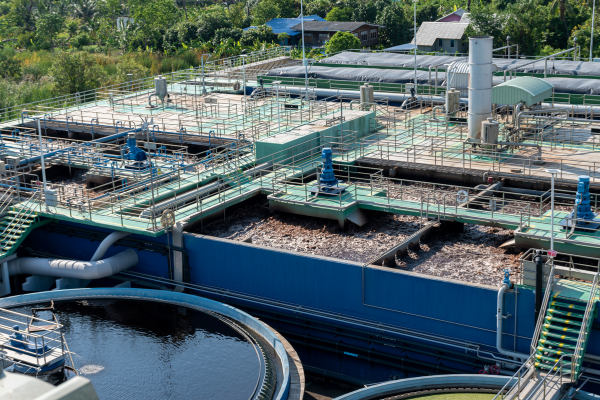
The Goa State Pollution Control Board has formally requested the town and country planning department to enforce its recommendation that all residential complexes with 24 or more flats must have sewage treatment plants. Previously, under the Goa Land Development and Buildings Regulations, 2010, STPs were required only for complexes with 50 or more flats and in areas without existing sewerage connections. The board believes lowering the threshold is necessary to manage wastewater effectively and prevent environmental pollution. Advertisement


The board highlighted that many existing complexes have STPs that are either non-operational or poorly maintained. Builders often do not transfer the systems to housing societies, leading to gaps in operation. Complaints received by the board include untreated wastewater discharge and lack of proper maintenance by developers after project completion. Scientific studies conducted by the board have shown that complexes with fewer than 50 flats can still generate significant wastewater, necessitating mandatory STPs.
The High Court has reviewed the issue and suggested that the state government, in consultation with the pollution control board, finalize the minimum threshold for STP installation. Based on this, the GSPCB pressed for the requirement to be applied to complexes with 24 or more flats. The board has also emphasized the need for proper operation and maintenance of STPs for three years or until handover to housing societies, ensuring residents are trained to manage the systems.
This move aligns with broader environmental and public health objectives. With urban development increasing in Goa, untreated wastewater poses a risk to local water bodies and surrounding areas. The new regulation is intended to ensure consistent treatment of sewage, reduce pollution, and improve long-term sustainability. Local authorities and developers are expected to coordinate on implementing and monitoring compliance once the state government finalizes the rule.

5th Jun, 2025

25th May, 2023

11th May, 2023

27th Apr, 2023
Advertisement





 Facebook
 Whatsapp
