Advertisement










Private equity has played a significant role in shaping Indi...
In today’s real estate landscape, fitness is often treated...
In this episode of Prop Personalities, we sit down with Hars...
Luxury real estate is one of the most talked-about segments ...
Welcome to Prop Personalities by Prop News Time - a podcast ...
A group of 102 architects, planners, and designers from the Mumbai Architects Collective has opposed the redevelopment plan of the Mahalaxmi Racecourse, raising concerns about underground construction, parking structures, and tunnels. They have urged the Maharashtra government and MCGM to provide full transparency on lease terms, development rights, funding, and environmental impact. While supporting better public access, they warn that large-scale excavation could damage natural drainage, reduce open space, and affect flood management. They recommend directing resources to maintain and improve existing municipal gardens and parks instead.
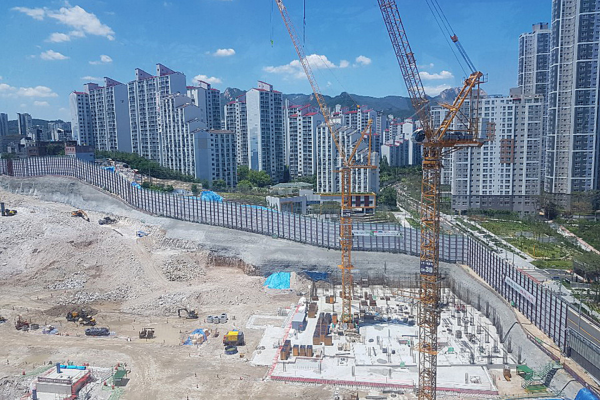
A collective of 102 architects, planners, and designers has formally expressed opposition to the redevelopment plan for the Mahalaxmi Racecourse in Mumbai. They have asked the Maharashtra government and the Municipal Commissioner of Greater Mumbai (MCGM) to reconsider proposals that involve extensive underground work, saying that the project risks altering the character and ecological function of the space. They approached Chief Minister Devendra Fadnavis and MCGM Commissioner Bhushan Gagrani, emphasizing the need for full disclosure on all development details. Advertisement


The collective highlighted that the racecourse is already public land used by citizens for walking, recreation, and other activities. They argued that underground sports complexes, parking, and tunnels could limit accessibility and compromise one of Mumbai's largest contiguous open grounds. According to them, improving access should focus on surface-level upgrades rather than excavation that may permanently change the space.
Environmental concerns were also central to their objections. The architects noted that the racecourse acts as a natural drainage area, aiding rainwater absorption and groundwater recharge. Excavating for underground facilities could undermine these essential environmental functions, increasing flood risks in the low-lying coastal city.
The collective questioned transparency around development rights, lease terms, Floor Space Index (FSI), and financial arrangements with the Royal Western India Turf Club, which still manages a portion of the land. They urged the government and MCGM to release clear information about how funds would be used and how the project aligns with citywide open-space management priorities.
They emphasized that large open spaces like the racecourse should remain naturally permeable, accessible, and free from extensive underground construction. They suggested that parking requirements be met through existing paved areas instead of disrupting green grounds. They also proposed a broader city policy to restrict underground facilities beneath public gardens and parks.
While supporting improved public access, the architects stressed that the current redevelopment plan goes beyond simple enhancements. They recommended that investments focus on upgrading and maintaining existing municipal parks and gardens, which often lack adequate facilities and resources, rather than altering one of the few remaining large open spaces in the city.

5th Jun, 2025

25th May, 2023

11th May, 2023

27th Apr, 2023
Advertisement





 Facebook
 Whatsapp
