Advertisement










Private equity has played a significant role in shaping Indi...
In today’s real estate landscape, fitness is often treated...
In this episode of Prop Personalities, we sit down with Hars...
Luxury real estate is one of the most talked-about segments ...
Welcome to Prop Personalities by Prop News Time - a podcast ...
The extension of the Chennai Metro Rail Limited's Phase II network between Poonamallee Bypass and Vadapalani is approaching the point of commissioning, but the final timeline remains uncertain as key safety trials and funding issues are resolved. Officials have signalled that the stretch of approximately 14.6 kilometres, featuring 11 stations and connecting the new line with the existing Vadapalani interchange, could be brought into service soon after completing mandatory safety clearances and certification procedures. Recent interim budget remarks by the Tamil Nadu Finance Minister highlighted progress and planned extensions of the metro project, though he also noted delays in central funding commitments under the shared cost model for the corridor, which has increased state borrowing. While the Poonamallee Porur section has passed recent inspections, regulatory scrutiny of the Porur Vadapalani segment has identified items requiring rectification, potentially affecting the launch schedule. Pending the completion of these works and final approval from safety authorities, partial operations on the Phase II corridor may begin shortly, with further work continuing on remaining stations and broader project corridors.
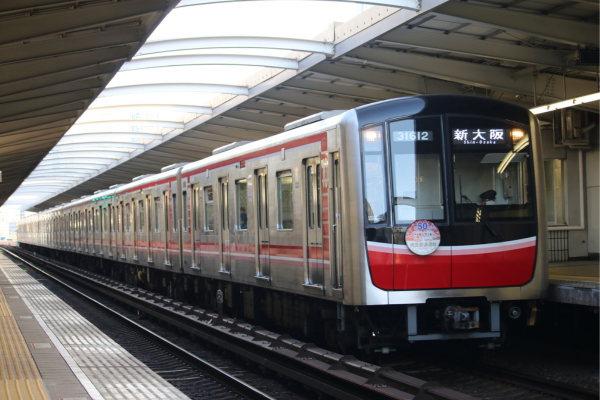
The Phase II expansion of the Chennai Metro, part of a larger 118.9-kilometre network project, is approaching a key milestone as the line from Poonamallee Bypass towards Vadapalani moves closer to commissioning for passenger services. The 14.6-kilometre segment, which forms part of Corridor-4, is expected to link with the existing metro network at Vadapalani, creating a direct connection to the Phase I system and expanding the city's rapid transit infrastructure. According to interim budget comments by the Tamil Nadu Finance Minister, this latest phase of development is poised for imminent operational status, though central funding delays under the shared financing model have raised fiscal pressures on the state and affected timelines. Advertisement


Regulatory clearance remains central to the commissioning schedule. The Commissioner of Metro Railway Safety has inspected sections of the line and raised safety compliance issues, particularly on the stretch between Porur and Vadapalani, which must be addressed before final authorisation is granted. Meanwhile, the earlier Poonamallee to Porur portion of the corridor has successfully passed key inspections. Completion of all mandated safety tests, including speed trials and signalling approvals, is required before the corridor can be opened to commuters. Although these procedures have introduced uncertainty into the launch date, officials remain optimistic that they will be fulfilled shortly, enabling the first operations on this vital segment.
The broader Phase II project, which spans multiple corridors and is designed to significantly improve connectivity across Chennai, has also been featured in interim budget discussions. The Finance Minister emphasised expansion plans linking the metro to key suburbs and transport nodes, underlining the importance of completing the network for both urban mobility and regional development. However, calls for central assistance for additional metro projects in other Tamil Nadu cities highlight ongoing funding challenges that could influence the pace of future infrastructure roll-outs.
As work continues, the practical reality of phased openings and staged commissioning reflects both progress and the complexity of urban rail infrastructure delivery, balancing construction, safety certification and financing requirements.

5th Jun, 2025

25th May, 2023

11th May, 2023

27th Apr, 2023
Advertisement





 Facebook
 Whatsapp
