Advertisement






What really powers the cloud? Behind every Google search, A...
A lot of what defines a home isn’t visible at handover. I...
Private equity has played a significant role in shaping Indi...
Luxury real estate is one of the most talked-about segments ...
Airports play a much bigger role than just enabling travel -...
The Delhi government has unveiled plans to strengthen the city's biomedical waste management infrastructure by establishing additional Common Bio-Medical Waste Treatment Facilities (CBWTFs) to address rising volumes of medical refuse and improve operational coverage across districts. The initiative, announced by the Environment Minister following a high-level review, involves setting up new treatment plants on sites of at least 0.5 acre each and equipped with modern technology to process waste through autoclaving, shredding and secure landfilling. The proposed facilities are expected to handle about 46 tonnes per day, easing pressure on the two existing plants that currently serve the entire capital. Tenders will be floated soon to attract operators with advanced systems, with each new facility intended to serve clusters of three districts to decentralise and improve efficiency in waste disposal. Officials have linked the expansion to broader public health and environmental goals in the city as biomedical waste generation continues to grow.
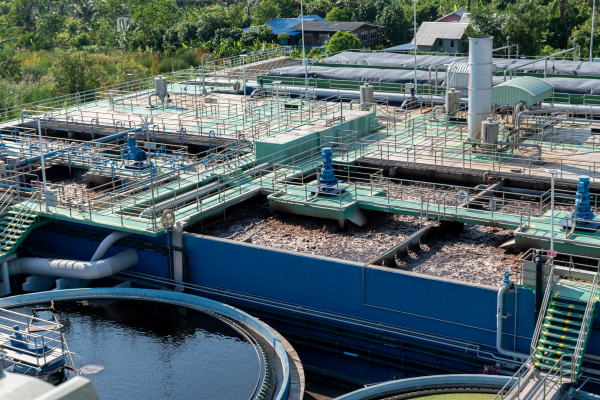
The Delhi government has announced a phased expansion of biomedical waste management capacity with the establishment of new Common Bio-Medical Waste Treatment Facilities (CBWTFs), Environment Minister Manjinder Singh Sirsa said earlier this week, signalling a strengthening of the capital's environmental infrastructure. Advertisement






During a high-level review with officials from the National Productivity Council, the Environment Department and the Delhi Pollution Control Committee (DPCC), the minister reviewed proposals to expand treatment capacity in response to growing volumes of biomedical waste generated across the city. Officials noted that Delhi currently produces roughly 40 tonnes of biomedical waste daily, with projections indicating an upward trend by 2031, placing pressure on the existing two treatment plants that serve all districts.
Under the new plan, additional CBWTFs will be developed on land parcels of a minimum 0.5 acre, with each facility designed to have a combined handling capacity of about 46 tonnes per day roughly 2,300 kg per hour operating up to 20 hours daily. The facilities are intended to be equipped with modern treatment technologies, including autoclaving, shredding and secure landfilling systems to ensure safe and compliant disposal of segregated biomedical waste.
The expanded infrastructure aims to decentralise operations by assigning coverage of three districts to each new facility, reducing reliance on the existing plants and improving focus on local waste streams. Proposed locations include clusters covering the east, northeast and Shahdara regions, as well as the west, southwest and central districts of the capital.
The government has indicated that tenders will be floated soon to attract operators with cutting-edge technology capable of meeting statutory environmental norms. Sirsa emphasised the importance of proper medical waste disposal, noting that unmanaged biomedical refuse poses significant risks to public health and the environment.
Officials also said that monitoring dashboards will be introduced once the facilities become operational to ensure transparency and oversight in daily operations. The planned expansion of CBWTF infrastructure forms part of a broader agenda to enhance waste management systems in the capital, aligning with wider efforts to tackle pollution and protect community health.

5th Jun, 2025

25th May, 2023

11th May, 2023

27th Apr, 2023
Advertisement









 Facebook
 Whatsapp
