Advertisement






What really powers the cloud? Behind every Google search, A...
A lot of what defines a home isn’t visible at handover. I...
Private equity has played a significant role in shaping Indi...
Luxury real estate is one of the most talked-about segments ...
Airports play a much bigger role than just enabling travel -...
Thane Coastal Road-1 has achieved significant construction progress, with over half of its elevated viaduct foundation work completed within about eight months. The 13.45 km, six-lane greenfield corridor uses a single-pile, single-pier monopile system, a first for such a road project in India. Planned as a freight and mobility corridor, it aims to reduce congestion on Ghodbunder Road, improve links between NH-160 and Gaimukh, protect mangrove areas, and connect with multiple upcoming transport projects in the region.
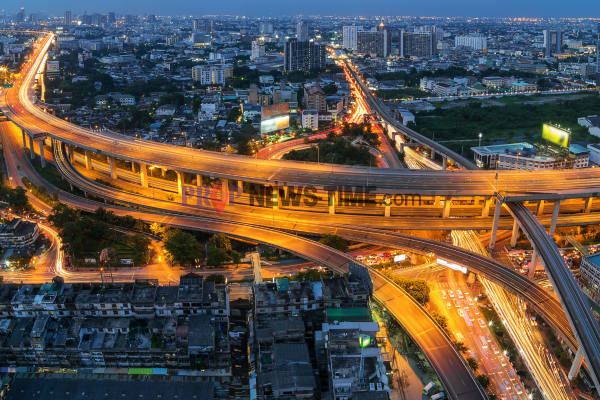
Construction work on Thane Coastal Road-1 has moved at a steady pace, with more than 50 percent of the foundation work for the elevated viaduct completed within around eight months of commencement. Pier cap construction and I-girder erection are also progressing simultaneously across multiple locations, indicating that the project has entered an active structural phase rather than remaining limited to preliminary groundwork. Advertisement






The project involves a 13.45 km, six-lane, access-controlled greenfield corridor being developed along the Thane Creek coastline. A key technical feature of the road is the use of a single-pile, single-pier system supported by monopile foundations on land. This construction method, being adopted for the first time in India for a greenfield road project, is aimed at reducing the physical footprint on the ground while supporting long elevated sections.
Thane Coastal Road-1 has been planned primarily as a strategic freight and mobility corridor. One of its core objectives is to ease chronic congestion on Ghodbunder Road, which currently handles heavy commuter traffic along with goods vehicles. By offering an alternative access-controlled route, the corridor is expected to improve travel efficiency between NH-160 (Mumbai-Nashik Highway) and Gaimukh, reducing pressure on existing arterial roads.
Large sections of the alignment are being constructed on viaducts and bridges to protect the mangrove ecosystem along Thane Creek. The elevated design helps maintain natural water movement and limits ground-level intervention in environmentally sensitive areas, which has been a key consideration during project planning and execution.
At Gaimukh, the coastal road will connect directly with the upcoming Gaimukh Fountain Hotel Tunnel. This connection is expected to create a continuous traffic link between Thane and Bhayander, helping divert through-traffic away from Ghodbunder Road and improving overall traffic distribution in the northern parts of the Mumbai Metropolitan Region.
From a regional perspective, the corridor is also expected to strengthen freight movement towards Vadhawan Port, Jawaharlal Nehru Port Trust, and further routes leading to South Maharashtra and Karnataka. This positions the project as an important logistics link rather than only a city-level road.
The coastal road is planned to integrate with several future infrastructure projects, including the Thane Ring Metro, Thane Coastal Road-2, the Saket-Amane Elevated Corridor, and the Kasarvadavali-Kharbhav Road. These planned connections are expected to improve network-level connectivity and support smoother traffic movement across Thane and its surrounding growth corridors.
FAQ
1. What is the current construction status of Thane Coastal Road-1?
Thane Coastal Road-1 has crossed the halfway mark in viaduct foundation work, with over 50 per cent completed within about eight months of construction. Alongside foundation work, pier cap construction and I-girder erection are progressing simultaneously at multiple locations, indicating that the project has entered an advanced structural phase.
2. What are the key features of Thane Coastal Road-1?
The project involves a 13.45 km, six-lane, access-controlled greenfield corridor being developed along the coastline of Thane Creek. A major technical feature is the use of a single-pile, single-pier monopile foundation system, which is being adopted for the first time in India for a greenfield road project. This approach reduces ground footprint while supporting long elevated stretches.
3. Why is the monopile foundation system significant for this project?
The single-pile, single-pier monopile system allows large sections of the road to be built as elevated viaducts with minimal land disturbance. This design is particularly important in coastal and environmentally sensitive areas, as it limits ground-level construction, helps maintain natural water flow, and reduces impact on surrounding ecosystems.
4. How will the coastal road help reduce traffic congestion?
The corridor has been planned as a strategic freight and mobility route to ease chronic congestion on Ghodbunder Road, which currently carries heavy commuter and goods traffic. By providing an alternative, access-controlled route, the road is expected to improve connectivity between NH-160 (Mumbai-Nashik Highway) and Gaimukh, reducing pressure on existing arterial roads.
5. What environmental considerations are built into the project?
Large portions of the alignment are being constructed on viaducts and bridges to protect mangrove areas along Thane Creek. The elevated design helps preserve natural drainage patterns and limits direct interference with ecologically sensitive zones, making environmental protection a key element of the project's planning and execution.
6. How does the project fit into the region's broader transport and logistics network?
At Gaimukh, the road will connect with the upcoming Gaimukh Fountain Hotel Tunnel, creating a continuous traffic link between Thane and Bhayander. Regionally, the corridor is expected to support freight movement towards Vadhawan Port, Jawaharlal Nehru Port Trust, and onward routes to South Maharashtra and Karnataka. It is also planned to integrate with future projects such as Thane Coastal Road-2, the Thane Ring Metro, and other elevated corridors.
Advertisement













 Facebook
 Whatsapp
