Advertisement










Private equity has played a significant role in shaping Indi...
In today’s real estate landscape, fitness is often treated...
In this episode of Prop Personalities, we sit down with Hars...
Luxury real estate is one of the most talked-about segments ...
Welcome to Prop Personalities by Prop News Time - a podcast ...
South Western Railway has announced plans to introduce specialised rail tankers for bulk cement transport, aiming to lower logistics costs and improve efficiency in the construction supply chain. The new system will move cement in loose form using mechanised tankers, similar to oil wagons, replacing manual handling and bagged transport. Cement companies will install pipelines at rail terminals for faster unloading and reduced labour use. Railway officials said revised freight policies and simplified tariff structures have made rail more competitive for cement movement. The initiative supports Indian Railways broader push towards cost-efficient, sustainable bulk logistics, offering faster turnaround times and reduced reliance on road transport for long-distance cement movement.
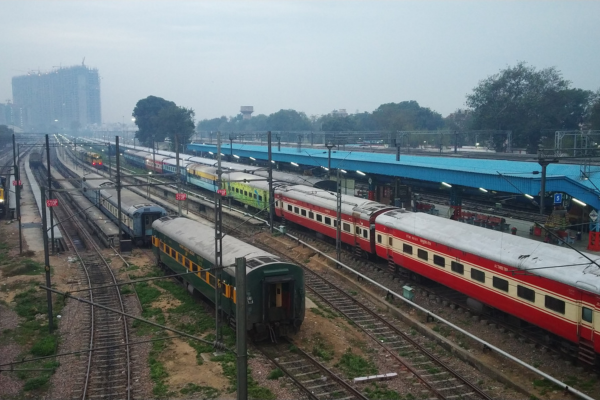
South Western Railway has outlined plans to introduce specialised rail tankers for the bulk movement of cement, a strategic step aimed at cutting logistics costs and improving efficiency in the construction materials supply chain. The initiative represents a shift from the long-standing use of manual handling and bagged transport to a mechanised, multi-modal solution designed to take advantage of recent rail freight reforms. Advertisement


Under the proposed approach, the specialised tankers similar in concept to oil transport wagons will carry cement in loose form over long distances, offering economies of scale and faster turnaround times. Cement manufacturers will install pipelines at designated rail terminals, enabling rapid, mechanised unloading directly from the tankers and reducing labour needs.
Senior Indian Railway Traffic Service officials have described the plan as a fundamental shift in the logistics of construction materials, pointing to historical challenges that made rail less competitive for cement transport. Previously, freight tariffs for cement were based on complex slab-based rates and manual handling costs, which often pushed manufacturers towards road transport despite higher fuel and environmental costs. Rail's new bulk transport policies, including rationalised freight rates charged on actual gross tonne-kilometre journeys, are designed to make rail a more cost-effective option.
The move aligns with Indian Railways broader efforts to optimize bulk freight transport through infrastructure upgrades and tariff reforms, supporting national goals for sustainable and cost-efficient logistics.

5th Jun, 2025

25th May, 2023

11th May, 2023

27th Apr, 2023
Advertisement





 Facebook
 Whatsapp
