Advertisement










Private equity has played a significant role in shaping Indi...
In today’s real estate landscape, fitness is often treated...
In this episode of Prop Personalities, we sit down with Hars...
Luxury real estate is one of the most talked-about segments ...
Welcome to Prop Personalities by Prop News Time - a podcast ...
India's megacities are fast emerging as the primary engines of economic growth, demographic transition and real estate expansion. With urbanisation projected to rise from nearly 38 per cent today to about 50 per cent by 2040, cities such as Mumbai, Delhi-NCR, Bengaluru, Hyderabad and Pune are witnessing sustained population inflows driven by employment opportunities, infrastructure development and lifestyle aspirations. This migration is not cyclical but structural, supported by a young population and expanding urban economies. Real estate, contributing 7-8 per cent to GDP, sits at the core of this transformation, shaping residential, commercial and mixed-use development patterns. While infrastructure investment and redevelopment opportunities are unlocking long-term value, challenges around affordability, density and planning persist. How effectively India manages megacity growth today will define its urban and economic future.
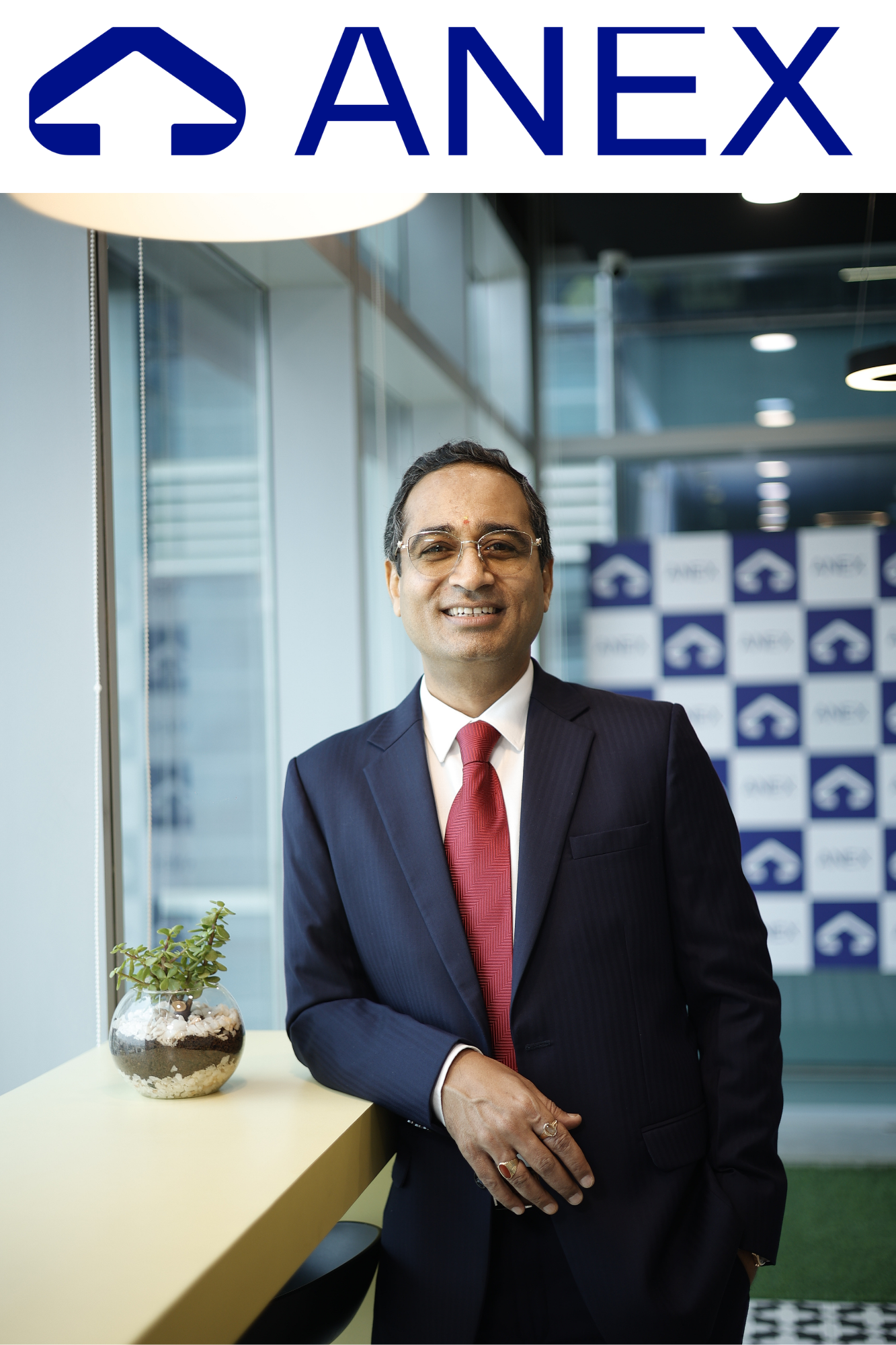
India's urban skyline, rising steadily across its megacities, has become a powerful symbol of the country's economic ambition. Dense, complex and continually evolving, these cities reflect the forces of urbanisation, infrastructure expansion and demographic change that will fundamentally reshape India's real estate markets over the next two decades. Advertisement


Urban agglomerations such as Mumbai, Delhi-NCR, Bengaluru, Hyderabad and Pune continue to attract sustained population inflows, driven by employment opportunities, lifestyle aspirations and access to infrastructure. This shift is not a post-pandemic correction but a long-term structural migration. Currently around 35-38 per cent urbanised, India is expected to approach 50 per cent urbanisation by 2040, with projections suggesting that nearly 200 million people will move to cities in the coming years. This transition is underpinned by a demographic advantage, with almost 65 per cent of the population under the age of 35.
As India enters 2026, the economic impact of urban concentration is already evident. Megacities contribute over 60 per cent of national GDP, with Mumbai alone accounting for an estimated Rs 25.73 lakh crore. Real estate, contributing roughly 7-8 per cent to GDP, lies at the intersection of employment generation, capital investment and household wealth creation. The ongoing migration trend is reshaping demand, supply and pricing dynamics across residential, commercial and mixed-use segments.
Employment-led cities such as Bengaluru and Pune continue to witness strong office absorption driven by technology firms and global capability centres, reinforcing sustained housing demand. In Mumbai and Delhi-NCR, financial services, media, consulting and emerging digital sectors have supported stable demand across premium and mid-income residential markets. Over time, this concentration is expected to translate into increased demand for mixed-use developments that integrate housing, offices, retail and social infrastructure within walkable, transit-connected zones.
One of the most significant outcomes of this trend is the strengthening of end-user demand, particularly in mid-income and aspirational housing segments, lending greater stability to residential markets. In land-constrained cities, redevelopment has emerged as a critical growth driver, replacing ageing housing stock with denser, safer and more efficient structures. Infrastructure-led value creation is especially visible along metro corridors, expressways and suburban rail networks, redefining micro-markets and redistributing growth beyond traditional urban cores.
Infrastructure remains the single most powerful catalyst in this transformation. Expanding metro rail networks in Mumbai, Delhi-NCR and Bengaluru are reshaping commute patterns and unlocking new residential and commercial catchments. Transit-oriented development is enabling higher densities without proportionate increases in congestion. Over the next two decades, infrastructure investment will play a decisive role in determining which urban markets outperform.
However, the challenges are equally pronounced. Affordability pressures continue to impact first-time buyers as land scarcity and construction costs push prices higher in core locations. Managing density remains a delicate task, requiring coordinated planning to avoid infrastructure mismatches and urban stress.
Over the long term, well-connected, employment-rich urban locations are expected to witness steady price appreciation. While short-term corrections may arise due to interest rate cycles or economic slowdowns, underlying demand driven by urbanisation and demographics will continue to provide a strong foundation. Peripheral markets, however, will require careful planning and infrastructure support as cities expand outward.
In this complex environment, the role of professional real estate advisory has become increasingly critical. As regulations deepen and redevelopment projects grow in scale, experienced advisors act as intermediaries between developers, investors, policymakers and resident communities. Their work spans feasibility analysis, redevelopment structuring, regulatory alignment and risk management, ensuring projects remain financially viable, legally robust and socially sustainable.
Disclaimer:
The views, opinions, and information expressed in this article are solely those of the author and do not necessarily reflect the views of Prop News Time. The content has not been independently verified or endorsed by Prop News Time. Readers are advised to exercise their own discretion and seek professional advice if required.

5th Jun, 2025

25th May, 2023

11th May, 2023

27th Apr, 2023
Advertisement





 Facebook
 Whatsapp
