Advertisement






What really powers the cloud? Behind every Google search, A...
A lot of what defines a home isn’t visible at handover. I...
Private equity has played a significant role in shaping Indi...
Luxury real estate is one of the most talked-about segments ...
Airports play a much bigger role than just enabling travel -...
The Bangalore Development Authority (BDA) carried out a major demolition drive in Saraipalya, Thanisandra, removing over 60 structures including homes, godowns and garages. The authority said the action targeted unauthorised buildings on notified BDA land linked to the Arkavathi Layout project, claiming the land was acquired years ago and the constructions lacked valid approvals. The operation has triggered strong reactions from residents, many of whom say they hold e-Khata certificates, tax receipts and utility connections. The demolitions have caused distress and displacement, prompting calls for temporary relief and clarity on land records. The incident highlights ongoing challenges around urban growth, land ownership disputes and regulatory enforcement in rapidly expanding Bengaluru.
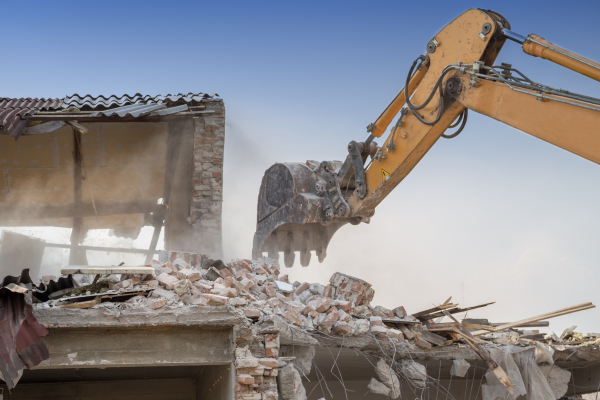
In a sweeping enforcement action, the Bangalore Development Authority (BDA) demolished a large number of structures in the Saraipalya area of Thanisandra in north Bengaluru, sparking controversy and distress among residents. The operation, which authorities say reclaimed land classified as notified BDA property, resulted in the removal of over 60 buildings, including residential homes, godowns and vehicle garages across survey numbers 28/1 and 28/2. Advertisement






BDA officials have described the drive as a routine clearance of unauthorised encroachments on government land linked to the Arkavathi Layout project. According to enforcement teams, the structures lacked valid permissions and were situated on land acquired by the authority years earlier, prompting legal backing for the action.
However, residents and local advocates have strongly contested the demolition, claiming many occupants held valid documents, including e-Khata certificates, property tax receipts, utility connections and long-term residence history.
Local political figures and civic bodies are now under pressure to address the fallout, including ensuring temporary shelter and support for displaced families, while clarifying the legal basis for the demolition to prevent similar confrontations in the future. The Saraipalya episode underscores ongoing tensions in managing rapid urban expansion, land rights and regulatory compliance in India's tech-driven metropolitan centres.

5th Jun, 2025

25th May, 2023

11th May, 2023

27th Apr, 2023
Advertisement









 Facebook
 Whatsapp
