Advertisement










Private equity has played a significant role in shaping Indi...
In today’s real estate landscape, fitness is often treated...
In this episode of Prop Personalities, we sit down with Hars...
Luxury real estate is one of the most talked-about segments ...
Welcome to Prop Personalities by Prop News Time - a podcast ...
The 213 kilometre Delhi-Dehradun Economic Corridor is nearing completion and is expected to open for traffic shortly after the first week of February. The project, costing around INR 11,000 crore, has been adjusted to meet local requirements, including raising road height at one underpass for overloaded tractors and adding a new interchange following public protests. More than 99% of construction is done, and finishing touches, such as rest stops, amenities, and toll plazas, are being applied. Travel time between Delhi and Dehradun is set to reduce to under three hours.
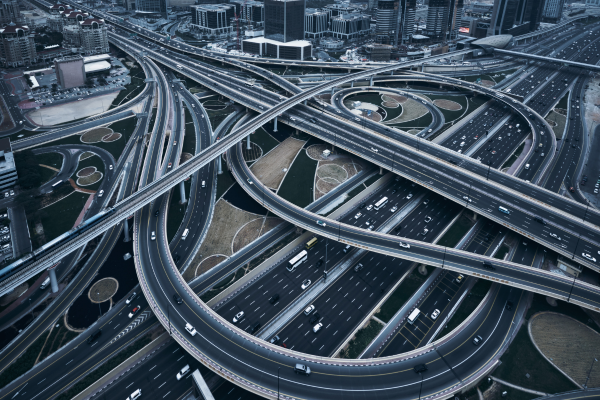
The 213 kilometre Delhi-Dehradun Economic Corridor, a six lane, access controlled highway, has entered its final stages of construction and is expected to open for traffic shortly after the first week of February. Officials confirm that over 99% of the work has been completed across all four phases, with only minor stretches, structures, and finishing touches remaining. Advertisement


The project, estimated at INR 11,000 crore, had faced challenges during construction due to local concerns and design modifications. Planners addressed requests from farmers in Muzaffarnagar by raising the road height at one underpass to allow overloaded tractors to pass safely. In Saharanpur, following public protests, an additional interchange was added to improve connectivity. Other adjustments included relocating high tension power lines and coordinating with irrigation projects to avoid overlaps.
Traffic near Akshardham in Delhi is currently mixed as controlled access has not been fully implemented. Two and three wheelers share space on approach roads, and congestion remains near the Metro station. Further along the corridor, some sections are ready but not yet open due to minor remaining construction work.
The highway has been developed in four phases. The first phase upgrades the existing road from Akshardham to the Eastern Peripheral Expressway into a six lane elevated corridor with service roads. The second phase is a greenfield section from Baghpat to the Saharanpur bypass. The third phase stretches from the Saharanpur bypass to Ganeshpur in Uttarakhand and is fully complete. The fourth phase connects Ganeshpur to Dehradun, passing through environmentally sensitive areas near Rajaji National Park, where work had to follow strict wildlife safety measures, including restrictions on night operations.
In addition to the road itself, workers are preparing commuter-friendly amenities such as rest stops, drinking water points, toilets, and small food kiosks. Toll charges for a one way trip will be around INR 60 with a FASTag annual pass and about INR 500 without it. Speed limits have been set at 100 km/h for cars and 80 km/h for trucks. Travel time between Delhi and Dehradun is expected to reduce to under three hours, offering smoother rides thanks to the well-settled road surface completed prior to the last monsoon.
The corridor is expected to significantly improve road connectivity between Delhi and Uttarakhand while accommodating regional needs. Its completion will also likely influence real estate activity along the route, as better accessibility generally attracts commercial investment and encourages development in nearby towns.

5th Jun, 2025

25th May, 2023

11th May, 2023

27th Apr, 2023
Advertisement





 Facebook
 Whatsapp
