Advertisement






What really powers the cloud? Behind every Google search, A...
A lot of what defines a home isn’t visible at handover. I...
Private equity has played a significant role in shaping Indi...
Luxury real estate is one of the most talked-about segments ...
Airports play a much bigger role than just enabling travel -...
The Confederation of Real Estate Developers' Associations of India (CREDAI) Visakhapatnam chapter has called on civic authorities to adopt a centralised approach to sewage treatment infrastructure in Visakhapatnam, highlighting concerns about the operational efficiency and safety of dispersed treatment systems in large residential complexes. CREDAI's proposal recommends community-level centralised sewage treatment plants (STPs) managed by professional agencies, with residents contributing user fees to support ongoing operation and maintenance. The association argues that such centralised facilities would ensure more effective wastewater treatment, strengthen environmental compliance, and reduce the risk of untreated effluent release. The move comes at a time when Visakhapatnam's expanding urban footprint and uneven sewerage network underline the need for enhanced sanitation infrastructure as part of sustainable city development. CREDAI says robust wastewater management is crucial for long-term livability and public health in the city.
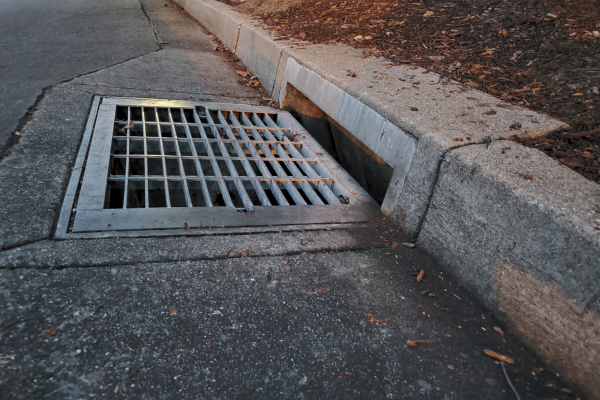
The Visakhapatnam chapter of the Confederation of Real Estate Developers' Associations of India (CREDAI) has urged local civic authorities to prioritise the development and management of centralised sewage treatment plants (STPs) to address wastewater challenges in the city. The association's recommendations were directed to officials of the Greater Visakhapatnam Municipal Corporation (GVMC) and other relevant bodies responsible for urban infrastructure planning and environmental compliance. CREDAI has expressed concern about the current system of multiple independent STPs within large apartment complexes and mixed urban zones, which it says results in inconsistent performance and poses operational safety risks. Advertisement






Under the proposed model, community-level STPs would be established and managed by qualified agencies with oversight mechanisms to ensure compliance with environmental and public health standards. CREDAI suggests that residents whose wastewater is treated at these facilities contribute user fees to cover operational costs and sustainability measures, creating a financially viable framework for long-term maintenance. The association argues that centralised systems are generally more efficient in treating wastewater consistently and can reduce the incidence of untreated or partially treated effluent entering local waterways or sewer networks.
Visakhapatnam's sanitation infrastructure has been under scrutiny amid rapid urbanisation and expanding residential and commercial development. According to urban infrastructure assessments, the city's sewerage distribution network and treatment capacity lag behind demand, with existing plants handling only a fraction of total wastewater flows and leaving many areas without comprehensive coverage. This has prompted calls from civic and industry stakeholders for strengthened wastewater management solutions as part of broader efforts to improve urban services and environmental outcomes.
CREDAI's proposal emphasises that centralised sewage treatment will enhance the overall effectiveness of wastewater treatment and support more sustainable urban growth. By consolidating treatment operations and empowering professional agencies to manage systems, the association says it will be easier to maintain technical standards, enforce regulations and integrate future capacity expansions. The plan also aligns with growing expectations for improved sanitation services among developers, residents and investors, particularly in light of Visakhapatnam's strategic position as a fast-growing coastal city with rising real estate activity and infrastructure needs.
Advertisement













 Facebook
 Whatsapp
