Advertisement










Private equity has played a significant role in shaping Indi...
In today’s real estate landscape, fitness is often treated...
In this episode of Prop Personalities, we sit down with Hars...
Luxury real estate is one of the most talked-about segments ...
Welcome to Prop Personalities by Prop News Time - a podcast ...
A new double decker flyover in Mira-Bhayander near Mumbai has drawn public attention after a viral post showed a section where the road appears to reduce from four lanes to two, raising safety concerns. The Mumbai Metropolitan Region Development Authority (MMRDA) clarified that the lane transition is a planned engineering decision due to right-of-way limits and future expansion plans. Activists and legal experts have questioned the safety and accountability of the design, citing past bridge failures and contractor issues. Officials insist the flyover includes safety features and provisions for widening.
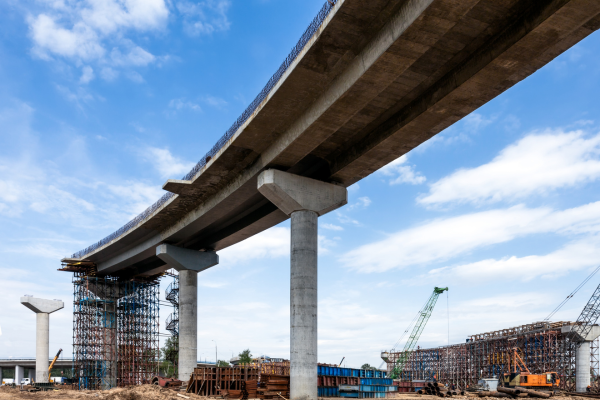
The Mira-Bhayander flyover near Mumbai, part of the Metro Line 9 double decker corridor, has come under scrutiny after a social media post highlighted a stretch where four lanes appear to suddenly narrow to two. The post, shared by the Gems of Mira Bhayander account on X, questioned whether the design could worsen traffic congestion instead of easing it. Advertisement


In response, the MMRDA denied any design flaw, stating that the lane reduction was an intentional engineering decision. Officials explained that the current layout, with two lanes operational towards Bhayander (East), allows for two additional lanes towards Bhayander (West) in the future, once expansion across the Western Railway line is implemented. They said the flyover's configuration is constrained by the available right-of-way and follows long-term traffic planning objectives.
The lane reduction occurs on the 1.5 km Deepak Hospital Phatak Road stretch in Bhayander (East), while other sections of the viaduct, including the 1.1 km SK Stone Circle Shivar Garden stretch and the 754 metre Kashigaon Metro Station Saibaba Hospital stretch, have already been opened to traffic. MMRDA emphasized that the structure is designed to reduce congestion, and includes safety features such as clear signage, rumble strips, and crash barriers, with inputs from traffic police considered during planning. Provisions for future widening have also been made, pending approvals from the Mira-Bhayander Municipal Corporation.
Despite this explanation, social activists and legal experts have raised concerns. Activist Anjali Damania criticized the design as unsafe, referencing a past accident in September 2022, when Cyrus Mistry died in a car crash due to a bridge design flaw. She warned that the flyover could similarly put lives at risk. Advocate Krishna Gupta highlighted accountability issues, noting that the contractor, J Kumar Infraprojects, was previously blacklisted by the BMC but continues to receive infrastructure contracts. He added that two previous double-decker bridges built by the same contractor developed potholes within a year, raising questions about quality control.
The controversy has drawn political attention as well. Shiv Sena (UBT) leader Aaditya Thackeray criticized the lane reduction on social media, calling it poorly designed and likely to create traffic chaos, while also mocking the MMRDA's defense of the structure.
The debate illustrates the challenges of urban infrastructure planning, particularly in high-traffic areas. While MMRDA maintains that the flyover meets engineering standards and long-term planning goals, the public response highlights the need for transparent communication, better transition design, and careful consideration of commuter safety in ongoing and future projects.

5th Jun, 2025

25th May, 2023

11th May, 2023

27th Apr, 2023
Advertisement





 Facebook
 Whatsapp
