Advertisement










When should a housing society in Mumbai start considering re...
From GST on JDAs to SEBI’s REIT reclassification and the S...
Stay ahead in the world of real estate with our daily podcas...
Stay ahead in the world of real estate with our daily podcas...
India's commercial aviation sector is on track for substantial growth, with the aircraft fleet expected to triple to 2,250 over the next decade, positioning the country as the third-largest civil aviation market globally by 2035. Airbus India highlighted that this expansion is fueled by both domestic market growth and airlines international ambitions. Passenger traffic is projected to rise at an annual rate of 8.9 percent, surpassing major economies. Infrastructure upgrades, rising tourism, and global connectivity are further expected to support this rapid growth in fleet and air travel demand.
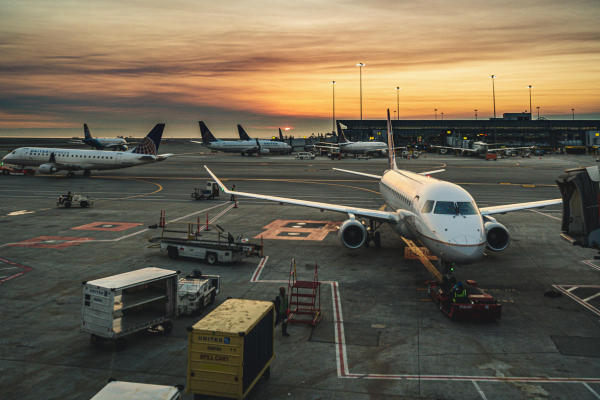
India’s commercial aircraft fleet is expected to grow threefold over the next decade, reaching around 2,250 planes as the country moves closer to becoming the world’s third-largest civil aviation market. Airbus officials have linked this growth to both the rapid expansion of the Indian aviation sector and the ambitions of domestic airlines to strengthen their presence on international routes.
Advertisement


Jürgen Westermeier, President and Managing Director of Airbus India and South Asia, stated that the rise in passenger traffic is a major factor driving the fleet expansion. He indicated that India’s air passenger traffic is projected to grow at an annual rate of 8.9 percent until 2035, which is faster than any other major economy and significantly above the long-term global average.
This surge in fleet size and passenger numbers comes amid India’s efforts to modernize its airport infrastructure, attract international carriers, and support low-cost domestic airlines. Analysts suggest that the fleet growth aligns with India’s rising middle class, increasing domestic tourism, and the country’s focus on enhancing global connectivity. The Wings India 2026 event provided a platform for industry leaders to highlight these trends and outline future growth strategies for the sector.
Source PTI
FAQ
Q1. What is the projected growth of India’s commercial aircraft fleet?
India’s commercial aircraft fleet is expected to triple over the next decade, reaching around 2,250 planes. This growth is driven by both domestic market expansion and the ambitions of Indian airlines to strengthen their international operations.
Q2. How does this expansion affect India’s position in global civil aviation?
With this fleet growth, India is projected to become the world’s third-largest civil aviation market by 2035, surpassing several major economies in terms of passenger traffic and fleet size.
Q3. What are the key factors driving this fleet expansion?
Airbus India officials highlighted multiple factors:
Q4. What role do airlines play in this projected growth?
Domestic airlines are investing in fleet expansion and acquiring modern aircraft to serve both domestic and international routes. This aligns with the sector’s long-term strategy to meet growing passenger demand and enhance global connectivity.
Q5. How is passenger traffic expected to evolve in India?
Passenger traffic is projected to rise at an annual rate of 8.9 percent, which is higher than the long-term global average. This growth is expected to be supported by India’s expanding middle class, increasing domestic tourism, and greater air travel accessibility in Tier 2 and 3 cities.
Q6. What infrastructure developments are supporting this growth?
The government and airport authorities are upgrading airport terminals, runways, and air traffic management systems. Enhanced connectivity, modernized airports, and improved services for both domestic and international carriers are expected to accommodate the growing fleet and passenger demand.
Q7. What insights were shared at Wings India 2026 regarding fleet growth?
Industry leaders, including Airbus India executives, emphasized that India’s rapid fleet expansion is unprecedented globally. They highlighted the combination of government support, airline investments, and strong market demand as the main enablers of the projected growth trajectory.
Q8. What are the broader implications of this fleet growth for India?
The expansion is expected to:

5th Jun, 2025

25th May, 2023

11th May, 2023

27th Apr, 2023
Advertisement








 Facebook
 Whatsapp
