Advertisement






What really powers the cloud? Behind every Google search, A...
A lot of what defines a home isn’t visible at handover. I...
Private equity has played a significant role in shaping Indi...
Luxury real estate is one of the most talked-about segments ...
Airports play a much bigger role than just enabling travel -...
Gujarat has emerged as India's leading state in renewable energy, contributing over 27 percent of the country's wind power and more than 64 percent of its own electricity from clean sources. Over 750,000 households have adopted rooftop solar, accounting for a significant share of India's solar capacity. Deputy CM Harsh Sanghavi highlighted the state's strong industrial growth, robust renewable energy ecosystem, and upcoming policies under Chief Minister Bhupendra Patel. He also emphasized that international trade agreements and collaboration with industries and startups will help Gujarat scale innovation and manufacturing, strengthening its global role in renewable energy.
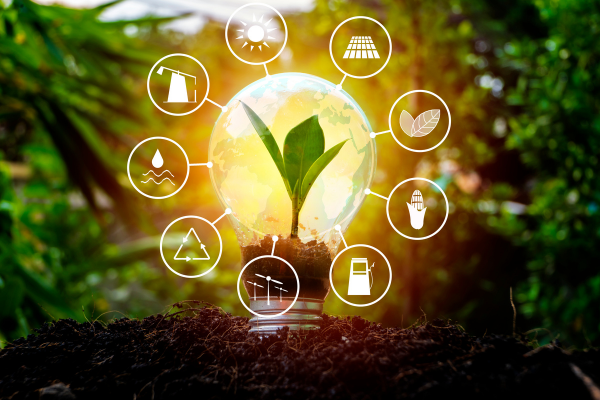
Gujarat Deputy Chief Minister Harsh Sanghavi highlighted that the state is the top performer in India’s renewable energy sector, calling it both a current strength and a strategic focus for the future. He expressed confidence that the India–EU trade agreement would create new opportunities for Gujarat’s industries.
Advertisement






Speaking at a renewable energy conference in Gandhinagar, Sanghavi reflected on how Prime Minister Narendra Modi, as Gujarat’s chief minister in the early 2000s, had envisioned clean energy at a time when renewable power was largely experimental. He noted that what was once underestimated has now become a defining advantage for the state, achieved through consistent government support and long-term planning.
Gujarat has taken strong initiatives in renewable energy, making it the first state in India to do so. Official figures indicate that the state contributes 27.2 percent of India’s wind energy output. Over 64 percent of Gujarat’s total power consumption comes from renewable sources, and more than 750,000 households have installed rooftop solar panels, representing over 30 percent of India’s total rooftop solar capacity. The state has also developed a robust ecosystem for manufacturing, installation, and research in this sector.
Sanghavi highlighted that Gujarat’s industrial growth, especially in Kutch after the 2001 earthquake, reflects the state’s resilience and investment potential. He pointed out that industries in Gujarat have consistently delivered strong returns and growth compared to other regions.
Under Chief Minister Bhupendra Patel, the government is preparing new policies to further strengthen renewable energy. Sanghavi encouraged industry leaders, researchers, and startups to collaborate with the state in expanding innovation, manufacturing, and quality standards, with the aim of making India a global leader in clean energy.
He also mentioned Gujarat’s growing international presence, citing the state’s pavilion at the World Economic Forum, which showcased opportunities in green energy, chemicals, pharmaceuticals, jewellery, and agriculture. With the India–EU trade deal, Gujarat aims to increase its contribution to national manufacturing from 18 percent to 25 percent, opening further avenues for industry growth. Sanghavi concluded that renewable energy remains both the state’s current advantage and its future mission, with ample opportunities to continue expanding.
Source PTI
FAQ
Q1. How has Gujarat performed in India’s renewable energy sector?
Gujarat is India’s top-performing state in renewable energy. It contributes over 27 percent of the country’s wind power and generates more than 64 percent of its electricity from clean energy sources. The state has also seen over 750,000 households adopt rooftop solar, accounting for a significant share of India’s total solar capacity.
Q2. What factors have contributed to Gujarat’s leadership in renewables?
Several factors have driven Gujarat’s success:
Q3. What initiatives are being planned under the current state government?
Under Chief Minister Bhupendra Patel, Gujarat is preparing new policies to further strengthen the renewable energy sector. These include measures to enhance innovation, promote local manufacturing, improve quality standards, and foster partnerships with startups, researchers, and industry leaders.
Q4. How is Gujarat leveraging international trade for renewable energy growth?
Deputy CM Harsh Sanghavi highlighted that Gujarat’s industries stand to benefit from the India–EU Free Trade Agreement, which is expected to open new avenues for exports, investment, and collaboration. The state has also participated in international forums such as the World Economic Forum, showcasing opportunities in green energy, chemicals, pharmaceuticals, jewellery, and agriculture.
Q5. What role do households and local adoption play in Gujarat’s renewable energy landscape?
Household adoption has been a key contributor. Over 750,000 homes in Gujarat have installed rooftop solar panels, representing more than 30 percent of India’s total rooftop solar capacity. This demonstrates strong citizen participation alongside industrial and government efforts.
Q6. How does Gujarat plan to maintain its competitive edge in renewables?
The state aims to scale innovation, manufacturing, and global quality standards while continuing to attract investment. Gujarat also plans to increase its national manufacturing contribution from 18 percent to 25 percent, further consolidating its role as a leading renewable energy hub in India.
Q7. What is the long-term vision for Gujarat’s renewable energy sector?
Renewable energy is both Gujarat’s current advantage and its future mission. By continuing to expand industrial capabilities, household adoption, and international collaboration, the state aims to position India as a global leader in clean energy while sustaining strong economic growth.

5th Jun, 2025

25th May, 2023

11th May, 2023

27th Apr, 2023
Advertisement









 Facebook
 Whatsapp
