Advertisement






What really powers the cloud? Behind every Google search, A...
A lot of what defines a home isn’t visible at handover. I...
Private equity has played a significant role in shaping Indi...
Luxury real estate is one of the most talked-about segments ...
Airports play a much bigger role than just enabling travel -...
Dubai International Financial Centre is set to undergo a major expansion as part of the emirate's wider push to strengthen its position as a global financial and business hub. The new Zabeel District development, valued at USD 27.23 billion, will significantly increase DIFC's capacity over the long term. Planned as a mixed-use district, the project will add office, residential, retail and hospitality space, while aligning with Dubai's broader infrastructure upgrades and economic diversification strategy focused on financial services, technology and global capital flows.
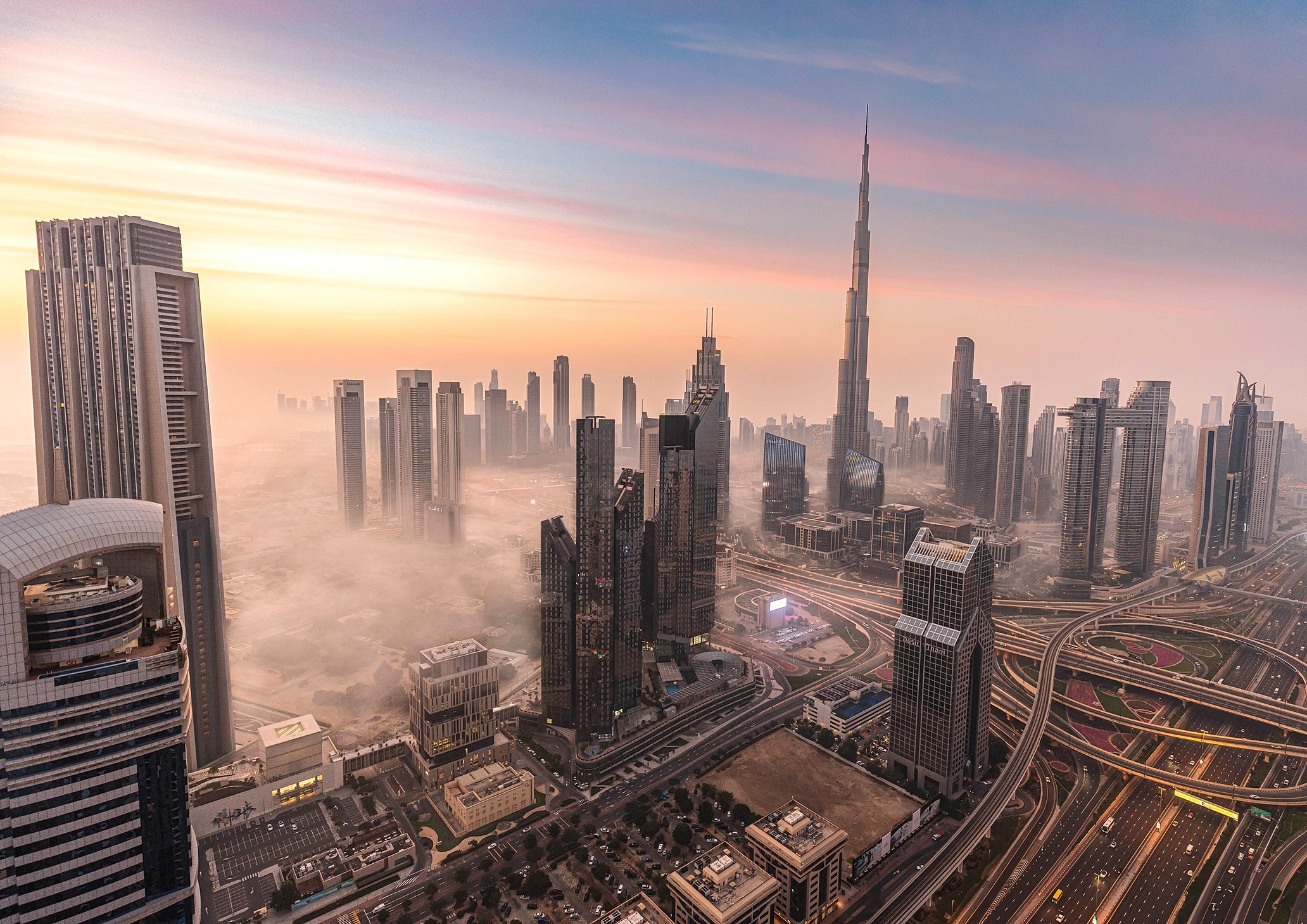
Dubai International Financial Centre is preparing for a large-scale expansion as the emirate continues to invest heavily in infrastructure and real estate to support its growing financial sector. The Dubai Media Office said the DIFC will develop a new district named Zabeel District, with a total project value of USD 27.23 billion, positioning the centre among the world's largest financial hubs. Advertisement






The Zabeel District will be developed over an area comparable to about 120 American football fields and is designed to accommodate up to 42,000 companies. The project will include commercial offices, residential units, retail outlets, hotels, education facilities and spaces dedicated to arts and culture. Full completion of the development is targeted for 2040, according to DIFC.
The expansion will be integrated with the planned Dubai Loop, an underground high-speed transport system announced by UAE authorities in collaboration with Elon Musk. The new district is also expected to support advanced mobility solutions, including flying taxis and autonomous vehicles, reflecting Dubai's focus on future-ready urban infrastructure.
The project forms part of a broader expansion drive across the DIFC. Another extension of the financial centre, scheduled for completion in the first quarter of the current year, is set to add around 600,000 square feet of office space, addressing strong demand from incoming firms.
Dubai has witnessed sustained growth in its property and business sectors since the pandemic period, supported by foreign investment inflows and residency reforms aimed at attracting global talent. Government estimates indicate that the city's population crossed 4 million in the past year, adding pressure on commercial and residential infrastructure.
As Gulf economies continue to reduce dependence on oil revenues, financial centres such as DIFC have benefited from increased investment in banking, asset management and fintech. By the end of November, DIFC hosted more than 8,000 active registered companies, including a rising number of hedge funds, whose presence has more than doubled since 2024.
Developers and policymakers are betting on continued office space demand, driven by Dubai's relatively low tax environment, strategic time zone and proximity to major sovereign wealth funds in the region.
The Zabeel District will rank among Dubai's largest ongoing developments, alongside the new metro line and the USD 35 billion expansion of Al Maktoum International Airport. The first phase of the DIFC project is expected to be delivered in 2030 and will feature six office towers, two residential towers, a hotel and a dedicated AI Campus. DIFC indicated that funding for the project will come from internal resources, future development revenues and other financing structures as required.
Source Reuters

5th Jun, 2025

25th May, 2023

11th May, 2023

27th Apr, 2023
Advertisement









 Facebook
 Whatsapp
