Advertisement










Private equity has played a significant role in shaping Indi...
In today’s real estate landscape, fitness is often treated...
In this episode of Prop Personalities, we sit down with Hars...
Luxury real estate is one of the most talked-about segments ...
Welcome to Prop Personalities by Prop News Time - a podcast ...
Maharashtra has directed that all new fuel outlets on MSRTC land must include electric vehicle (EV) charging stations alongside conventional diesel and CNG facilities. Transport Minister Pratap Sarnaik emphasized that while nearly 90% of the current MSRTC bus fleet runs on diesel, the state is gradually transitioning to electric buses, with future procurements prioritizing e-buses. The policy, implemented through a public-private partnership model, aims to provide convenient multi-fuel access for commuters, generate revenue for MSRTC, and strengthen the state's eco-friendly transport infrastructure, supporting broader environmental and sustainable mobility goals.
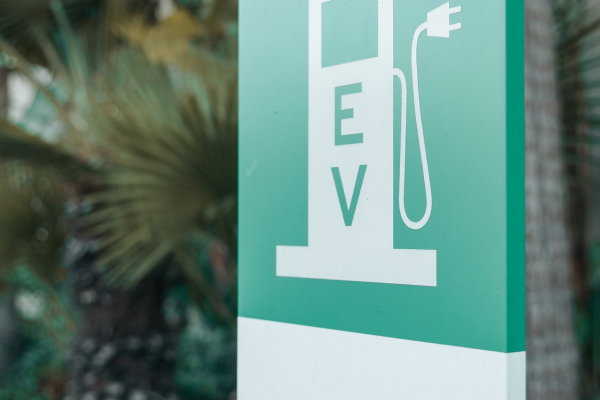
The Maharashtra government has issued a directive making EV charging stations mandatory at all new retail fuel outlets developed on MSRTC land. The decision was announced by Transport Minister Pratap Sarnaik, who instructed officials to prioritize the setup of electric vehicle infrastructure at these locations. Senior officials and representatives of fuel companies attended the high-level meeting where this guidance was provided. Advertisement


Sarnaik highlighted that India's goal of becoming a developed nation by 2047 relies on a sustainable and eco-friendly transport system. He pointed out that the state has already initiated a phased transition to electric buses and that all future bus procurements will prioritize e-buses. Despite this, around 90% of MSRTC's existing bus fleet continues to operate on diesel, indicating that electrification will be gradual but steadily advancing.
Under the new guidelines, EV charging stations must be integrated alongside diesel and CNG facilities at all fuel outlets on MSRTC land. The rollout will follow a public-private partnership (PPP) model. According to the minister, this dual-fuel approach will not only ensure commuter convenience but also create a consistent revenue stream for MSRTC, while supporting the state's broader efforts to enhance clean energy adoption in public transport.
Officials noted that combining conventional fuel services with EV charging facilities will help create a seamless transport network for the future. By offering both options in one location, commuters can access traditional and electric fuels conveniently, making the transition toward electric mobility smoother. The initiative is also framed as a strategic environmental step, aiming to reduce the sector's carbon footprint.
MSRTC plans to develop several new fuel stations on its land parcels with integrated EV charging units. Some pilot sites are already in development, including areas like Dhule, where EV charging points will complement the conventional fuel services. While the initiative marks a positive shift, stakeholders have observed that achieving full-scale electrification will take time due to the predominance of diesel buses in the fleet and the infrastructural adjustments required.
Source PTI
FAQ
Q1. What new directive has Maharashtra issued for MSRTC fuel outlets?
The Maharashtra government has mandated that all new fuel outlets developed on MSRTC land must include electric vehicle (EV) charging stations in addition to conventional diesel and CNG facilities. This policy aims to support the state’s transition to electric mobility while maintaining multi-fuel access for commuters.
Q2. Who announced the policy, and what was emphasized?
Transport Minister Pratap Sarnaik announced the directive, emphasizing that while nearly 90 % of the current MSRTC bus fleet still runs on diesel, the state is gradually transitioning to electric buses. He noted that future procurements will prioritize e-buses, and the government’s broader goal is to promote sustainable and eco-friendly public transport.
Q3. How will the EV charging stations be implemented?
The rollout will follow a public-private partnership (PPP) model. EV charging units will be integrated alongside diesel and CNG services, providing convenience to commuters, generating revenue for MSRTC, and creating a seamless transport network that supports gradual electrification.
Q4. What are the expected benefits of this initiative?
The policy is expected to facilitate easier adoption of electric mobility, reduce the sector’s carbon footprint, and strengthen Maharashtra’s clean energy infrastructure. Combining traditional fuels with EV charging ensures commuters have flexible options while supporting the state’s environmental and sustainable transport goals.
Q5. Are there any pilot projects under this initiative?
Yes, pilot sites with integrated EV charging stations are being developed, including locations like Dhule. These sites will serve as models for larger-scale implementation across MSRTC fuel outlets.
Q6. What challenges does the state foresee in achieving full electrification?
Given the predominance of diesel buses in the current MSRTC fleet, full-scale electrification will take time. The transition will require infrastructural upgrades, gradual fleet replacement, and coordination with private partners for widespread deployment of EV charging stations.

5th Jun, 2025

25th May, 2023

11th May, 2023

27th Apr, 2023
Advertisement





 Facebook
 Whatsapp
