Advertisement










Private equity has played a significant role in shaping Indi...
In today’s real estate landscape, fitness is often treated...
In this episode of Prop Personalities, we sit down with Hars...
Luxury real estate is one of the most talked-about segments ...
Welcome to Prop Personalities by Prop News Time - a podcast ...
Kolkata Metro Railway has introduced a QR code-based return ticket service across all its corridors, allowing passengers to book both onward and return journeys together. This move eliminates the need to stand in queues for return tickets, saving valuable time for daily commuters and occasional travellers. The facility requires passengers to complete the return journey on the same day indicated on the ticket and to keep the ticket safe for scanning. The service revives a same-day return ticket option that was unavailable since the magnetic ticket system was phased out.
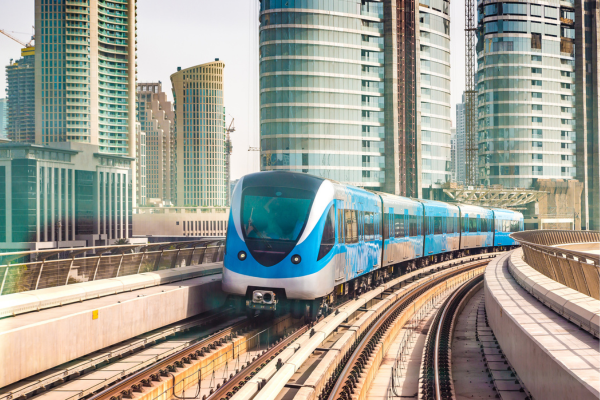
Kolkata Metro Railway has started a QR code return ticket facility for passengers travelling across all metro routes. Officials explained that commuters using this service no longer need to purchase a return ticket from the counter after reaching their destination, which helps save time and reduces congestion at ticket counters. Advertisement


The return journey must be completed on the date printed on the ticket, and passengers are advised to keep their tickets safe for scanning during the return leg. This ensures a smooth boarding process and avoids complications during peak hours.
The facility is being rolled out on an experimental basis, covering major corridors including Dakshineswar Sahid Khudiram, Howrah Maidan Salt Lake Sector V, Noapara Jai Hind Bimanbandar, Kavi Subhas Beleghata, and Joka Majerhat. Commuters have welcomed the initiative, noting that long queues at counters have often caused delays, especially during morning and evening peak hours.
This move also restores a same-day return ticket option that had been discontinued when the old magnetic strip tickets were phased out over a decade ago. Experts point out that reintroducing such facilities reflects the metro's focus on commuter convenience and operational efficiency.
The QR-based tickets are part of broader efforts to digitize and simplify the metro's ticketing system. It complements other initiatives such as mobile app bookings and digital payment options, aiming to provide more flexibility and ease for daily passengers as well as first-time users.
Officials added that passenger feedback from this trial phase will guide further enhancements, including potential expansion of the service to cover additional routes or extended time frames, depending on demand and operational feasibility.
Source PTI
FAQ
Q1. What new facility has Kolkata Metro introduced for commuters?
Kolkata Metro Railway has launched a QR code-based return ticket service that allows passengers to book both onward and return journeys together across all metro corridors. The facility is designed to save time for commuters, eliminate the need to stand in long queues for return tickets, and streamline passenger flow at ticket counters, especially during peak hours.
Q2. How does the service work?
Commuters who purchase a QR-based return ticket must complete their return journey on the same date printed on the ticket. The QR code acts as a digital token for boarding the return leg, ensuring a smooth and quick scanning process. Passengers are advised to keep the ticket safe throughout the day to avoid any scanning issues. The system aims to reduce congestion, prevent boarding delays, and make travel more convenient for daily and occasional travelers alike.
Q3. Which corridors are currently covered by the trial service?
The QR-based return ticket service is being rolled out on an experimental basis along several key routes, including Dakshineswar Sahid Khudiram, Howrah Maidan Salt Lake Sector V, Noapara Jai Hind Bimanbandar, Kavi Subhas Beleghata, and Joka Majerhat. The initial trial focuses on high-traffic corridors where ticket counter queues are typically long, allowing officials to assess usability and gather passenger feedback before potential expansion to all routes.
Q4. What is the significance of reintroducing this facility?
The service revives a same-day return ticket option that had been unavailable since the magnetic strip tickets were phased out over a decade ago. Reintroducing this feature reflects the metro's commitment to passenger convenience, operational efficiency, and modernization. It also highlights the metro's response to commuter demands for faster, hassle-free ticketing without repeated counter visits.
Q5. How does the QR-based return ticket fit into Kolkata Metro's broader digital initiatives?
The new service complements Kolkata Metro's ongoing digitization efforts, including mobile app ticket bookings, smart card usage, and digital payment options. By providing multiple options for booking and paying, the metro aims to make travel more flexible, reliable, and user-friendly for daily commuters, first-time passengers, and occasional travelers. The trial also allows authorities to collect feedback on system performance, ticket scanning efficiency, and passenger experience, which could guide future enhancements such as extending the service to more routes or implementing multi-day return ticket options.
Q6. How have passengers reacted to the new service so far?
Early feedback indicates that commuters appreciate the convenience, particularly during morning and evening peak hours when ticket counters often experience heavy congestion. Passengers noted that saving time at the counters makes daily travel less stressful and encourages greater usage of metro services.
Q7. What are the expected long-term benefits of the QR-based return ticket system?
The long-term advantages include faster boarding, improved crowd management at stations, better operational efficiency, and enhanced passenger satisfaction. By integrating digital ticketing solutions with traditional metro operations, Kolkata Metro can reduce manual ticketing errors, optimize staff deployment at counters, and improve overall service quality. The initiative also sets a benchmark for other Indian metro systems considering digital return ticket options.

5th Jun, 2025

25th May, 2023

11th May, 2023

27th Apr, 2023
Advertisement





 Facebook
 Whatsapp
