Advertisement










Private equity has played a significant role in shaping Indi...
In today’s real estate landscape, fitness is often treated...
In this episode of Prop Personalities, we sit down with Hars...
Luxury real estate is one of the most talked-about segments ...
Welcome to Prop Personalities by Prop News Time - a podcast ...
A parliamentary standing committee has raised concerns over significant shortfalls in water treatment infrastructure in Punjab under the AMRUT (Atal Mission for Rejuvenation and Urban Transformation) programme. The panel noted that many urban areas remain without adequate water treatment capacity despite allocations and planned projects, resulting in ongoing challenges for potable water supply and wastewater management. Gaps were identified in execution timelines, technology adoption and coordination between state and central agencies. The committee has urged accelerated implementation of pending projects, enhanced monitoring mechanisms and timely allocation of resources to bridge existing deficits. The findings highlight the need for renewed focus on infrastructure completion to ensure safe drinking water and environmental protection.
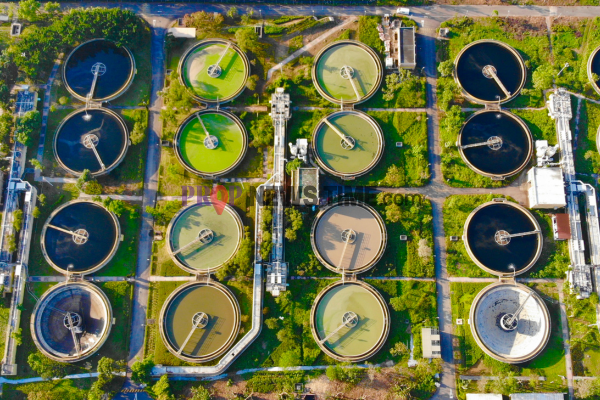
A parliamentary standing committee has highlighted major concerns over gaps in water treatment infrastructure in Punjab under the AMRUT (Atal Mission for Rejuvenation and Urban Transformation) urban development scheme. The panel's review points to significant shortfalls in both drinking water treatment and wastewater management facilities across several urban local bodies, despite earlier commitments and sanctioned project allocations. Advertisement


According to the committee's observations, various towns and cities in Punjab continue to operate without sufficient water treatment capacity, leading to persistent issues with the quality of potable water delivered to residents. The panel cited lapses in project execution timelines, shortfalls in implementation strategy and a lack of effective coordination between the state authorities and central programme monitors as contributing factors to the ongoing challenges.
In its assessment, the parliamentary committee emphasised that the purpose of AMRUT improving basic urban infrastructure and ensuring sustainable water and sanitation services was undermined in several locations due to delays and incomplete treatment works. The committee noted that even where schemes were sanctioned and funds released, progress on ground remained uneven, with some major projects lagging well behind schedule.
The panel's findings called for a renewed focus on completing pending water treatment plants and associated distribution networks, prioritising both drinking water safety and sewage treatment objectives. It also urged improvements in project monitoring and reporting mechanisms to ensure that allocations translate into operational infrastructure in a timely manner.
In addition to implementation gaps, the committee observed that technology choices and maintenance strategies for treatment facilities needed closer scrutiny, suggesting that standardised performance benchmarks and periodic quality audits could help enhance outcomes.
The report highlighted the importance of bridging infrastructure deficits not only to secure access to safe drinking water but also to prevent environmental contamination from untreated wastewater. With rapidly growing urban populations, the committee underscored that planning and execution must keep pace with demand to avoid recurring public health and ecological issues.
The parliamentary panel has recommended that both the state government and AMRUT oversight bodies expedite completion of sanctioned projects, allocate required resources without delay, and strengthen inter-agency coordination. The aim is to ensure that water treatment capacity aligns with urban service needs and delivers the intended benefits under the national mission.

5th Jun, 2025

25th May, 2023

11th May, 2023

27th Apr, 2023
Advertisement





 Facebook
 Whatsapp
