Advertisement










Private equity has played a significant role in shaping Indi...
In today’s real estate landscape, fitness is often treated...
In this episode of Prop Personalities, we sit down with Hars...
Luxury real estate is one of the most talked-about segments ...
Welcome to Prop Personalities by Prop News Time - a podcast ...
Vietnam has begun initial construction work on a cross-border railway linking the country with China as part of its wider infrastructure expansion plan. The 391-kilometre rail line will run from Lao Cai at the Chinese border through Hanoi to Haiphong port. Track laying is scheduled to begin late next year, with completion targeted for 2030. The project will be partly funded through Chinese government loans. It forms part of Vietnam's broader infrastructure pipeline valued at about USD 129.23 billion, aimed at sustaining high economic growth.
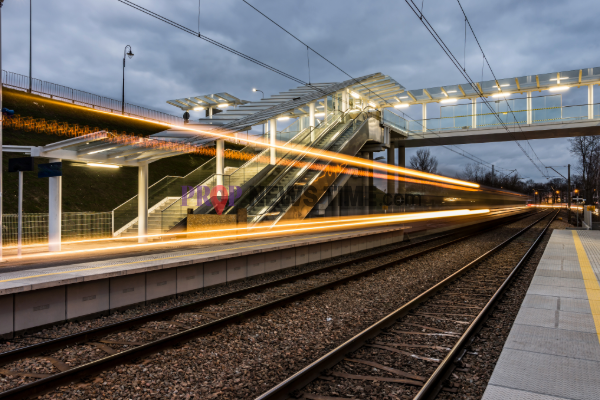
Vietnam has commenced early construction activity on a railway project that will connect the country with China, marking a key step in its broader infrastructure investment drive. Authorities confirmed that work has begun on five stations along the planned route, which is expected to strengthen transport links and improve regional connectivity. Advertisement


The railway will span 391 kilometres, starting from Lao Cai at the northern border with China, passing through the capital city Hanoi, and extending to Haiphong, the largest port in northern Vietnam. The government has indicated that track construction will begin late next year, while the full rail corridor is planned to be completed by 2030.
Officials had previously stated that part of the project's financing would come through loans from the Chinese government. Once operational, the railway is expected to support both passenger movement and freight transport, easing logistics between Vietnam and China and supporting trade flows across the border.
This rail project is one of 234 infrastructure initiatives currently included in Vietnam's national development programme, with a combined estimated value of around 3,400 trillion dong, or about USD 129.23 billion. State funding accounts for roughly 18% of the total investment, with the remaining amount expected to be mobilised from private and external sources.
Several projects under this programme have already been completed, including two hospitals in Ninh Binh, the expansion of Hanoi's Noi Bai International Airport, and the development of a military air base in Phan Thiet. Other major planned investments include a USD 33.6 billion redevelopment of the Red River banks, a sports complex in Hanoi, a USD 2 billion casino resort in Quang Ninh, along with multiple industrial parks and housing projects.
Vietnam's renewed focus on infrastructure comes as the government aims to maintain strong economic momentum, targeting growth of over 8% this year and more than 10% next year. Improved rail connectivity with China is expected to play a role in supporting manufacturing, exports, and long-term economic integration.
Source Reuters

5th Jun, 2025

25th May, 2023

11th May, 2023

27th Apr, 2023
Advertisement





 Facebook
 Whatsapp
