Advertisement






Private equity has played a significant role in shaping Indi...
In today’s real estate landscape, fitness is often treated...
In this episode of Prop Personalities, we sit down with Hars...
Luxury real estate is one of the most talked-about segments ...
Welcome to Prop Personalities by Prop News Time - a podcast ...
IIT Indore has introduced an AI-based traffic management system, Cellular Vehicle-to-Everything (C-V2X), to improve road safety and reduce congestion. The system enables vehicles to communicate in real time with each other and roadside units, sending alerts about accidents, traffic jams, and poor road conditions using 4G LTE and 5G networks. The technology also uses intelligent resource allocation to efficiently manage limited wireless communication, ensuring timely delivery of critical safety messages. This initiative strengthens India's readiness for connected and autonomous vehicle technologies and smarter urban mobility.
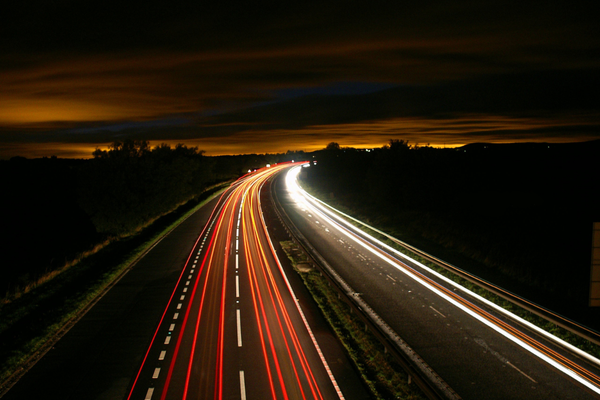
The Indian Institute of Technology Indore has developed a new AI-based technology aimed at enhancing road safety and streamlining traffic management across India. The system, known as Cellular Vehicle-to-Everything (C-V2X), allows moving vehicles to send and receive real-time alerts about traffic congestion, accidents, and road hazards, helping drivers respond promptly and avoid accidents. Advertisement






Prof Prabhat Kumar Upadhyay from IIT Indore's Department of Electrical Engineering explained that as the world moves toward driverless vehicles, creating a smart and safe traffic system in India has become essential. The C-V2X technology uses advanced AI and high-speed wireless networks, including 4G LTE and 5G, to transmit messages instantly between vehicles and nearby infrastructure.
A major challenge addressed by the team was sharing limited wireless communication resources between conventional cellular users and vehicles exchanging time-sensitive safety messages. The researchers developed intelligent algorithms to dynamically allocate resources based on traffic conditions, network load, and signal quality. This ensures that safety alerts are delivered reliably and with low latency.
Prof Suhas Joshi, Director of IIT Indore, highlighted that road safety and sustainable mobility remain pressing challenges for urban areas. Research on connected and intelligent transportation systems, such as C-V2X, is an important step toward safer roads, smarter cities, and preparation for autonomous mobility. The project demonstrates how combining advanced communication technologies with rigorous engineering research can save lives, reduce congestion, and strengthen India's capacity for future mobility solutions.
Source PTI
FAQ
Q1. What new technology has IIT Indore introduced to improve road safety and traffic management?
IIT Indore has developed an AI-driven traffic management system called Cellular Vehicle-to-Everything (C-V2X). The system enables real-time communication between vehicles, roadside infrastructure, and traffic systems to share alerts related to accidents, congestion, and unsafe road conditions. The objective is to improve road safety, reduce traffic delays, and enhance overall traffic efficiency in Indian cities.
Q2. How does the C-V2X system work in real-world traffic conditions?
The C-V2X technology allows vehicles to communicate directly with each other and with roadside units using high-speed wireless networks such as 4G LTE and 5G. Through this real-time exchange of information, drivers receive instant alerts about traffic jams, accidents ahead, or damaged road stretches, enabling quicker reaction times and safer driving decisions.
Q3. What role does artificial intelligence play in the C-V2X system?
Artificial intelligence is used to manage the efficient allocation of limited wireless communication resources. Since both regular mobile users and vehicles rely on the same network, AI-based algorithms dynamically prioritise critical safety messages based on traffic density, network load, and signal quality. This ensures that urgent alerts are delivered with minimal delay and high reliability.
Q4. What challenges did IIT Indore researchers address while developing this system?
One of the main challenges was ensuring reliable communication for time-sensitive safety messages in a network with limited bandwidth. The research team developed intelligent resource-sharing algorithms that balance communication needs between vehicles and conventional cellular users. This approach helps maintain low latency and prevents delays that could otherwise reduce the effectiveness of safety warnings.
Q5. Why is the C-V2X initiative important for India’s future mobility goals?
The initiative strengthens India’s preparedness for connected and autonomous vehicle technologies. According to IIT Indore’s leadership, intelligent transportation systems like C-V2X are essential for safer roads, sustainable urban mobility, and smarter cities. The project demonstrates how advanced communication technologies and engineering research can reduce accidents, ease congestion, and support the transition to future-ready mobility solutions.

5th Jun, 2025

25th May, 2023

11th May, 2023

27th Apr, 2023
Advertisement









 Facebook
 Whatsapp
