Advertisement










Private equity has played a significant role in shaping Indi...
In today’s real estate landscape, fitness is often treated...
In this episode of Prop Personalities, we sit down with Hars...
Luxury real estate is one of the most talked-about segments ...
Welcome to Prop Personalities by Prop News Time - a podcast ...
Stegra has secured its first customer for non-prime steel from its hydrogen-based steel plant in northern Sweden, marking an early commercial milestone ahead of production. The Swedish startup has signed an agreement with Thyssenkrupp Materials Processing Europe to supply significant volumes from 2027, supporting the ramp-up of operations. Non-prime steel, while not used for high-spec applications, remains suitable for many industrial needs and helps ensure stable plant output. The deal comes as Stegra prepares for a delayed start and continues financing talks to complete the project. Built on low-carbon hydrogen technology, the plant is central to Sweden's push to lead Europe's green industrial transition.
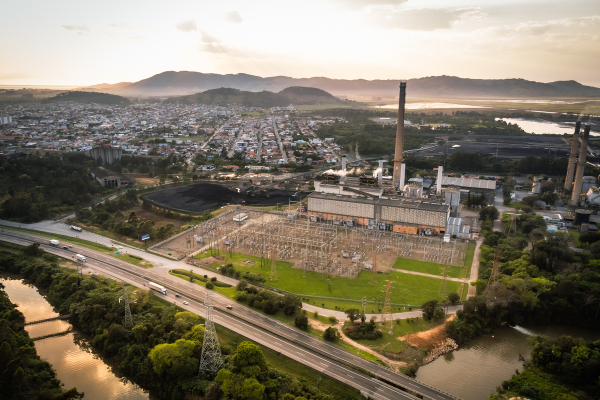
Swedish steel startup Stegra recently announced that it had signed its first customer agreement for non-prime steel produced at its hydrogen-based steel plant in northern Sweden. The company has partnered with Thyssenkrupp Materials Processing Europe, part of German industrial group Thyssenkrupp, marking an early commercial step ahead of the plant's planned start of operations. Advertisement


Under the agreement, Thyssenkrupp Materials Processing Europe will purchase significant volumes of non-prime steel from Stegra beginning in 2027. The material will be supplied to customers across multiple industries in Europe. Stegra said the partnership will support the ramp-up of production at its steel mill once operations begin.
Non-prime steel is a by-product of steel manufacturing that does not meet the highest quality standards required for certain specialised applications. However, it remains strong and durable and is suitable for a wide range of industrial uses. Securing a buyer for this material is considered important for maintaining stable production and efficient operations at large steel facilities.
Stegra, previously known as H2 Green Steel, is developing the plant as part of Sweden's broader push to lead Europe's green industrial transition. The project is based on hydrogen-based steelmaking, which aims to significantly reduce carbon emissions compared to conventional steel production. Northern Sweden offers access to relatively low-cost, carbon-free electricity, a key input for such projects.
The company said the steel plant was originally scheduled to start operations earlier but has now been delayed until 2027. In October last year, Stegra disclosed that it was seeking an additional USD 1.1 billion in financing to complete construction of the facility. As of Monday, the company has not announced a final funding agreement.
A Stegra spokesperson said the company expects to conclude its financing discussions in the first quarter. The outcome of these talks is expected to be critical for meeting revised timelines and advancing construction.
Stegra's commercial chief Stephan Flapper said having a partner for non-prime steel is essential during the early stages of production and described the agreement as the beginning of a long-term relationship. The company also described the deal as a significant development for the steel sector.
Germany, which is a major steel consumer, faces challenges in accessing large volumes of low-cost green electricity. Stegra said partnerships such as this offer complementary pathways for decarbonising supply chains by linking production in regions with cleaner energy to industrial demand elsewhere in Europe.
Across the continent, several green steel projects have faced delays or financial hurdles due to high investment costs and the relatively early stage of the technology. Sweden's ambitions in the green industry have also seen setbacks, including recent difficulties faced by battery maker Northvolt and funding challenges at Stegra itself.
Despite these challenges, Stegra said the agreement with Thyssenkrupp reflects continued interest from established industrial players in low-carbon steel solutions as Europe works toward long-term climate and industrial goals.
Source: Reuters

5th Jun, 2025

25th May, 2023

11th May, 2023

27th Apr, 2023
Advertisement





 Facebook
 Whatsapp
