Advertisement










Private equity has played a significant role in shaping Indi...
In today’s real estate landscape, fitness is often treated...
In this episode of Prop Personalities, we sit down with Hars...
Luxury real estate is one of the most talked-about segments ...
Welcome to Prop Personalities by Prop News Time - a podcast ...
The Patna Municipal Corporation (PMC) has initiated urgent measures to curb rising dust pollution from construction activities in the city, a growing concern for public health and urban liveability. Enforcement teams have been directed to monitor active worksites, ensure proper use of dust suppression methods, and penalise non-compliant builders. Measures include regular spraying of water, enforcing protective fencing around sites, covering construction materials, and keeping transport vehicles dust-tight. The focus is on reducing particulate matter that impacts air quality, especially during the dry season when dust levels tend to spike. PMC's action reflects broader efforts by civic bodies to address pollution at its source and balance development activity with environmental and health safeguards for residents.
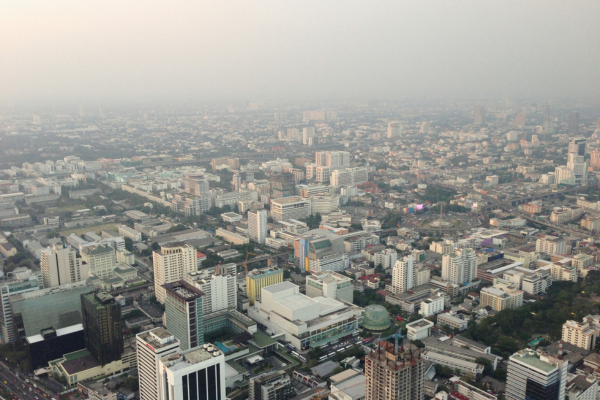
The Patna Municipal Corporation (PMC) has launched a targeted drive to address dust pollution stemming from construction and development activities across the city. Construction dust has become a notable contributor to deteriorating air quality, particularly during the dry winter months, prompting civic authorities to step up monitoring and enforcement to protect public health and urban liveability. Advertisement


Under the directive of senior PMC officials, enforcement teams are conducting regular inspections of active construction sites to ensure compliance with pollution control norms. Key measures include mandatory water spraying at work fronts, installation of dust nets or protective fencing, and proper covering of construction materials and debris. Transport vehicles ferrying sand, soil or loose materials are required to be dust-tight, reducing the spread of particulate matter onto adjoining roads and neighbourhoods.
Dust suppression practices have also been emphasised as a routine requirement, with builders instructed to maintain wet conditions during excavation, material handling and earthwork operations. These steps are intended to curb the generation of fine dust particles that contribute significantly to ambient air pollution and are linked to respiratory issues among vulnerable populations.
In addition to on-site compliance, PMC has called for better coordination among contractors, site managers and PMC enforcement units to streamline reporting and corrective action. Notices have been served in instances of non-compliance, along with directives to install additional mitigation measures or face penalties as per municipal regulations.
Officials noted that construction activity often intensifies with urban expansion and infrastructure growth, making proactive dust control essential to balance development with environmental health. The initiative aligns with broader air quality management efforts in Patna, which have included mechanised sweeping, green buffer creation and increased monitoring of industrial and vehicular emissions.
Public awareness campaigns are also being planned to educate residents and builders about the importance of dust control, particularly in residential and high-footfall areas such as markets, schools and hospitals. By addressing construction dust at its source, the PMC hopes to alleviate short-term air quality spikes and contribute to longer-term improvements in urban environmental conditions.
As the drive unfolds, civic authorities are expected to fine-tune enforcement protocols based on site feedback and emerging pollution trends, reinforcing the municipality's commitment to sustainable urban growth and community health.

5th Jun, 2025

25th May, 2023

11th May, 2023

27th Apr, 2023
Advertisement





 Facebook
 Whatsapp
