Advertisement










Private equity has played a significant role in shaping Indi...
In today’s real estate landscape, fitness is often treated...
In this episode of Prop Personalities, we sit down with Hars...
Luxury real estate is one of the most talked-about segments ...
Welcome to Prop Personalities by Prop News Time - a podcast ...
The Bangalore Development Authority (BDA) is reshaping its housing strategy by moving away from traditional plotted layouts and prioritising apartment projects to optimise land use and address Bengaluru's growing housing needs. With urban land becoming increasingly scarce and expensive, vertical development is being positioned as a more efficient and sustainable solution. While apartments enable higher density and faster housing delivery, the shift has faced mixed buyer response, with a significant portion of existing inventory still unsold. To improve demand, the authority is strengthening marketing efforts, upgrading infrastructure around projects, simplifying digital sales processes and enhancing amenities. This transition reflects a broader shift in urban planning, balancing affordability, density and liveability in one of India's fastest-expanding metropolitan regions.
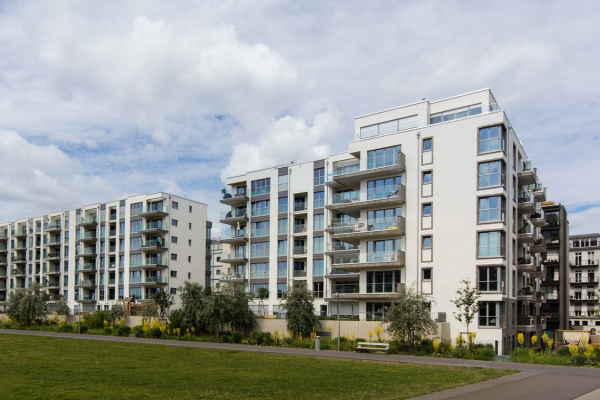
The Bangalore Development Authority (BDA) is recalibrating its housing development approach by placing greater emphasis on apartment projects instead of predominantly focusing on plotted layouts. The move is aimed at ensuring more efficient utilisation of limited urban land while accelerating the delivery of housing in Bengaluru, where population growth and urban expansion continue to put pressure on available space. Advertisement


Traditionally, plotted developments have been preferred by homebuyers, largely due to flexibility and ownership appeal. However, officials believe that apartments offer a more practical solution in a city facing rising land prices and infrastructure constraints. Vertical development allows a larger number of homes to be built on smaller parcels of land, making it possible to accommodate more residents without excessive horizontal sprawl.
Despite the strategic rationale, the transition has produced mixed results so far. Across multiple apartment projects developed by the authority, nearly half of the completed units remain unsold. Demand has varied sharply by location, unit size and pricing. Projects with better connectivity and mid-sized units have performed relatively well, while larger or higher-priced apartments have seen slower uptake, highlighting the importance of market-aligned planning.
In response, the BDA is adopting a series of corrective measures to improve sales and buyer confidence. These include simplifying the online allotment and payment process, improving access roads and basic infrastructure around housing complexes, introducing model apartments for better on-ground visibility, and strengthening outreach through digital platforms. Greater emphasis is also being placed on amenities, maintenance standards and transparency to counter the perception challenges often associated with government-built housing.
The shift toward apartment-led development marks a significant change in public housing policy, aligning it more closely with the realities of dense urban growth. By combining higher density with improved planning and execution, the authority aims to balance affordability, efficiency and liveability. If successful, this approach could serve as a template for urban development agencies in other rapidly growing Indian cities facing similar land-use challenges.

5th Jun, 2025

25th May, 2023

11th May, 2023

27th Apr, 2023
Advertisement





 Facebook
 Whatsapp
