Advertisement










Private equity has played a significant role in shaping Indi...
In today’s real estate landscape, fitness is often treated...
In this episode of Prop Personalities, we sit down with Hars...
Luxury real estate is one of the most talked-about segments ...
Welcome to Prop Personalities by Prop News Time - a podcast ...
The Supreme Court has directed the Uttarakhand government to submit a detailed report identifying illegal constructions on forest land across the state. The court flagged long-standing administrative lapses and raised concerns over unchecked encroachments, particularly in areas around Rishikesh. It has sought precise information, including site plans and land details, while reiterating restrictions on further construction. The matter forms part of a suo motu case examining how notified forest land was gradually occupied despite repeated warnings and existing legal safeguards.
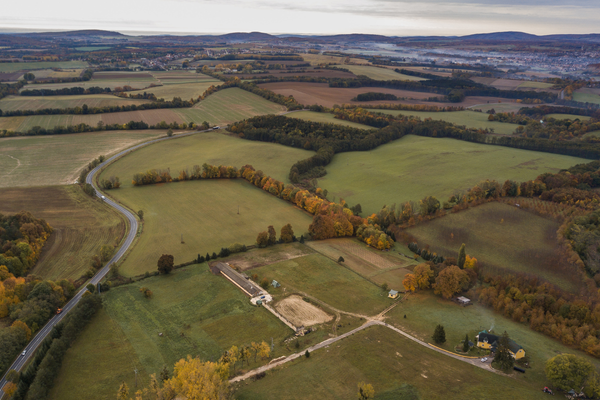
The Supreme Court has asked the Uttarakhand government to place on record a detailed report disclosing the extent of illegal constructions on forest land in the state. The direction came after the court observed continued negligence by authorities in protecting forest areas, despite earlier orders and clear legal provisions. Advertisement


The bench, headed by Chief Justice Surya Kant and Justice Joymalya Bagchi, expressed concern that large tracts of notified forest land have been encroached upon over several years without timely intervention. The court sought specifics, including the approximate area encroached, the nature of constructions, and supporting site plans to enable closer scrutiny.
The issue relates to nearly 2,866 acres of land that was originally classified as government forest land. A portion of this land had earlier been leased to Pashulok Sewa Samiti in the Rishikesh region for allotment to landless persons. However, following disputes and a subsequent reversal by the Forest Department, private occupation continued, with individuals reportedly taking possession from the early 2000s onwards.
The court noted that the encroachments appeared to have taken place over decades, raising questions about possible administrative complicity or inaction. It remarked that authorities seemed to have remained passive while forest land was gradually taken over, allowing construction activity to expand unchecked.
As part of earlier directions, the court had asked the Uttarakhand chief secretary and the principal chief conservator of forests to constitute an enquiry committee to verify records, examine how the land changed hands, and submit a comprehensive factual report. It also restrained private parties from selling, transferring, or creating third-party rights on the disputed land.
The Supreme Court has further reiterated that no fresh construction is permitted on the land in question. It directed that vacant parcels, except for existing residential houses, should be taken over by the Forest Department and the concerned district administration to prevent further misuse.
Source PTI
FAQ
Q1. What direction has the Supreme Court given to the Uttarakhand government regarding forest land?
The Supreme Court has directed the Uttarakhand government to submit a detailed and comprehensive report identifying illegal constructions on forest land across the state. The court expressed concern over long-standing administrative lapses and emphasised the need for precise disclosure to understand the scale and nature of encroachments on notified forest areas.
Q2. What specific details has the Supreme Court asked the state to provide?
The court has sought exact information on the extent of forest land encroached upon, the approximate area involved, and the nature of constructions raised on such land. It has also asked for supporting documents, including site plans and land records, to enable detailed scrutiny and informed judicial assessment of the violations.
Q3. What is the background of the forest land dispute highlighted by the court?
The issue relates to around 2,866 acres of land originally classified as government forest land, particularly in the Rishikesh region. Part of this land was earlier leased to Pashulok Sewa Samiti for allotment to landless persons. However, after disputes and a reversal of the lease by the Forest Department, private occupation reportedly continued from the early 2000s, leading to widespread encroachment.
Q4. What concerns did the Supreme Court raise about the role of authorities?
The Supreme Court observed that the encroachments appeared to have taken place gradually over several decades, raising serious questions about administrative inaction or possible complicity. The bench noted that authorities seemed to have remained passive despite clear legal safeguards and repeated warnings, allowing illegal construction activity to expand unchecked on forest land.
Q5. What interim measures and restrictions has the court reiterated?
The court has reiterated that no fresh construction is permitted on the disputed forest land. It has directed that vacant parcels, except for existing residential houses, should be taken over by the Forest Department and district administration to prevent further misuse. Additionally, private parties have been restrained from selling, transferring, or creating third-party rights on the land while the matter remains under judicial consideration.

5th Jun, 2025

25th May, 2023

11th May, 2023

27th Apr, 2023
Advertisement





 Facebook
 Whatsapp
