Advertisement










Private equity has played a significant role in shaping Indi...
In today’s real estate landscape, fitness is often treated...
In this episode of Prop Personalities, we sit down with Hars...
Luxury real estate is one of the most talked-about segments ...
Welcome to Prop Personalities by Prop News Time - a podcast ...
The Union Cabinet has approved Phase V(A) of the Delhi Metro expansion, clearing the addition of around 16 kilometres to the network at an estimated cost of INR 12,015 crore. The approval covers three new corridors with 13 stations, aimed at improving connectivity across key parts of Delhi, including links to central areas and major transport nodes. The project will be implemented by the Delhi Metro Rail Corporation with funding support from the central government, the Delhi government and external funding agencies. Once completed, the expansion will take the total operational length of the Delhi Metro beyond 400 kilometres, strengthening urban mobility in the National Capital Region.
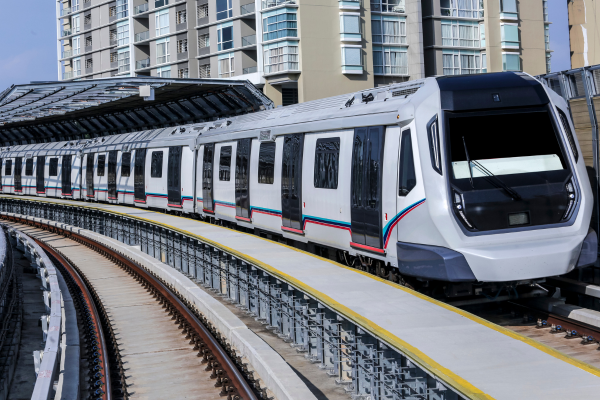
The Union Cabinet has cleared Phase V(A) of the Delhi Metro project, approving the construction of approximately 16 kilometres of new metro lines at a projected cost of INR 12,015 crore. The decision marks the next stage of expansion of the capital's mass rapid transit system and is intended to enhance connectivity across important urban and institutional zones. Advertisement


The approved phase includes three new corridors, along which 13 metro stations will be developed. These corridors are planned to improve access to central Delhi and strengthen links with key transport and administrative areas, helping reduce dependence on road-based travel in high-traffic zones.
Funding for the project will be shared between the Government of India, the Delhi government and international funding agencies, in line with the existing financing structure for metro expansions. The Delhi Metro Rail Corporation will be responsible for detailed design, construction and execution of the approved corridors.
With the addition of Phase V(A), the total length of the Delhi Metro network is expected to cross the 400-kilometre mark once the new sections become operational. The expansion is aimed at easing traffic congestion, improving travel efficiency and supporting sustainable urban transport across the National Capital Region.

5th Jun, 2025

25th May, 2023

11th May, 2023

27th Apr, 2023
Advertisement





 Facebook
 Whatsapp
