Advertisement










When should a housing society in Mumbai start considering re...
From GST on JDAs to SEBI’s REIT reclassification and the S...
Stay ahead in the world of real estate with our daily podcas...
Stay ahead in the world of real estate with our daily podcas...
India is set to invest USD 3.4 billion (INR 300 billion) in constructing 500 kilometers of railway lines, bridges, and tunnels in the northeastern border regions with China, Bangladesh, Myanmar, and Bhutan. The project, expected to be completed in four years, will improve connectivity to remote areas, support logistics, and strengthen emergency and military operations. It complements India's previous investments in road infrastructure in these regions and builds on earlier initiatives such as the construction of motorways and restoration of advance landing grounds for civilian and military use.
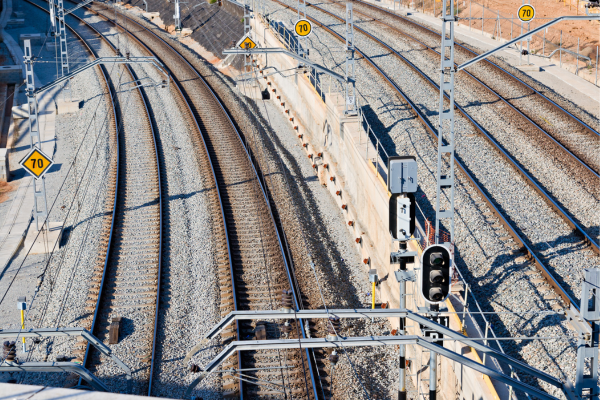
India plans to enhance its northeastern border connectivity through a new railway development project valued at USD 3.4 billion (INR 300 billion). The project will cover 500 kilometers, including bridges and tunnels, connecting remote regions near China, Bangladesh, Myanmar, and Bhutan. It is scheduled to be completed within four years. Advertisement


The railway lines aim to improve civilian access, provide faster logistics, and strengthen the movement of emergency services and military operations. The project also complements India's existing road network, where nearly 10,000 kilometers of motorways have been built over the past decade, with an additional 5,000 kilometers under construction.
In addition to rail construction, India has restored previously inactive Advance Landing Grounds in the northeastern states. These airstrips allow helicopter and military aircraft operations, increasing operational readiness and emergency response capabilities.
The project will link remote towns and villages, reducing travel time and improving access to essential services. Infrastructure upgrades in the region also aim to support future economic and trade activities, including cross-border trade and regional tourism.
The railway project is part of a broader effort to enhance transport infrastructure in border areas. Earlier projects in these regions have included road construction under national initiatives, helping integrate remote areas into the national economy while supporting strategic requirements.

5th Jun, 2025

25th May, 2023

11th May, 2023

27th Apr, 2023
Advertisement








 Facebook
 Whatsapp
