Advertisement
Private equity has played a significant role in shaping Indi...
In today’s real estate landscape, fitness is often treated...
In this episode of Prop Personalities, we sit down with Hars...
Luxury real estate is one of the most talked-about segments ...
Welcome to Prop Personalities by Prop News Time - a podcast ...
Public sector banks have approved more than 5.79 lakh loan applications amounting to INR 10,907 crore under the PM Surya Ghar Muft Bijli scheme, supporting households in installing rooftop solar systems. The scheme offers collateral-free, affordable credit with simplified processes via the JanSamarth digital portal. The Department of Financial Services, in coordination with the Ministry of New & Renewable Energy, is closely reviewing loan disbursement and working with bankers' committees and district managers to boost outreach and adoption.
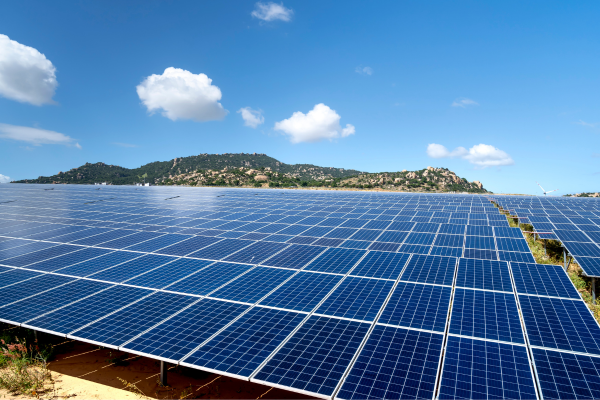
Public sector banks have now sanctioned over 5.79 lakh loan applications totaling INR 10,907 crore under the PM Surya Ghar Muft Bijli Yojana, according to a government release. This supports the goal of increasing rooftop solar capacity by helping households generate their own power. Advertisement
The scheme's rollout is backed by measures to streamline credit delivery: loans are made collateral-free, offered at lower interest rates, and financed through public sector banks with simpler procedures. The credit process is handled via the JanSamarth Portal, which is linked with the national portal for the scheme (pmsuryaghar.gov.in), facilitating a digital end-to-end application experience and data-driven decisions for beneficiaries.
As of September, the statement notes, public sector banks had already approved those 5.79 lakh applications worth INR 10,907 crore, thereby boosting financial support for rooftop solar adoption.
The Department of Financial Services and the Ministry of New & Renewable Energy jointly oversee the scheme's progress. They coordinate with State-Level Bankers Committees and Lead District Managers to ensure quicker implementation, wider outreach, and deeper penetration across various regions.
Launched in early 2024, the scheme aims to empower up to 1 crore households to switch to rooftop solar, offering them up to 300 units of free electricity monthly and substantial subsidy support.
Earlier efforts in solar rooftop programs had faced challenges in credit access, procedural delays, and limited financial inclusion in rural areas. This latest push with digital integration and bank coordination addresses those weaknesses more systematically.
Across several states, obstacles remain: in Karnataka, for example, confusion over the term "Muft Bijli" (free electricity) has reportedly led to a 95 % backlog in applications, along with vendor delays and deposit issues. In Kerala, the state electricity board has moved to waive application and registration fees for rooftop solar under the scheme, aligning with central directives. Maharashtra has complemented the central scheme with its own SMART Solar initiative, giving extra subsidies for households consuming less than 100 units monthly.
To date, Gujarat leads in installations under the scheme with over 3.36 lakh systems set up followed by major contributions from Maharashtra, Uttar Pradesh, Kerala, and Rajasthan. Meanwhile, projections suggest rooftop solar installations may more than double to about 4 million by March next year, aided by the scheme's momentum.
Source PTI

5th Jun, 2025

25th May, 2023

11th May, 2023

27th Apr, 2023
Advertisement



 Facebook
 Whatsapp
