Advertisement






What really powers the cloud? Behind every Google search, A...
A lot of what defines a home isn’t visible at handover. I...
Private equity has played a significant role in shaping Indi...
Luxury real estate is one of the most talked-about segments ...
Airports play a much bigger role than just enabling travel -...
To tackle rising traffic congestion in Mumbai's Bandra-Kurla Complex (BKC), especially after the Sion bridge closure, the MMRDA has approved a strategic traffic management plan. With around 2 lakh employees and 4 lakh visitors daily, BKC faces severe vehicular pressure, worsened by heavy transport inflows. The plan includes converting underused cycle tracks into vehicle lanes, expanding road capacity to accommodate 600-900 extra vehicles per lane. A one-way system will also be introduced in high-traffic zones. These changes are expected to reduce peak travel times by 40% and cut emissions by 30%. The initiative reflects MMRDA's focus on sustainable, efficient urban mobility.
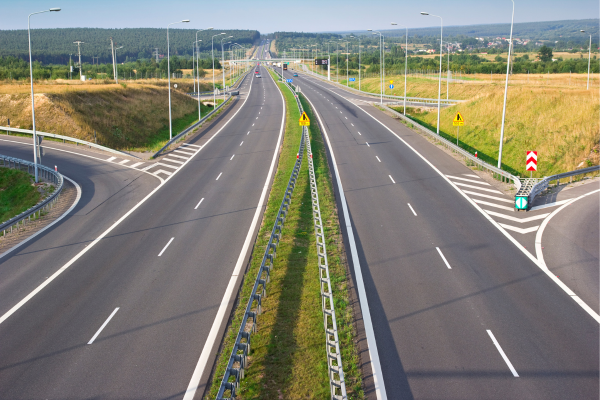
The 370-hectare Bandra-Kurla Complex (BKC) in Mumbai is a well-known financial and commercial center that welcomes a sizable number of workers and tourists every day. With approximately 2 lakh employees and nearly 4 lakh visitors entering the area every day, traffic congestion has become a growing concern, particularly since the shutdown of the Sion bridge, which has redirected a significant volume of traffic towards BKC. While the existing lanes in BKC were initially designed for smaller vehicles, the diversion has led to an influx of heavy vehicles, including trucks and multi-capacity transporters, aggravating congestion further. Advertisement






In response to these mounting challenges, the Mumbai Metropolitan Region Development Authority (MMRDA) has devised a comprehensive traffic management plan after conducting an in-depth analysis of current and projected traffic patterns, commuter footfall, and ongoing infrastructure projects. This strategic plan, developed in coordination with the Mumbai Traffic Police Department, was recently approved during an Authority Meeting chaired by the MMRDA chairman.
One of the key components of the plan involves repurposing underutilised cycle tracks across BKC into vehicular lanes, aiming to expand road capacity by accommodating an additional 600-900 vehicles per lane. Supporting infrastructure, including streetlights, signboards, bus stops, and landscaped features, will be relocated to footpaths to facilitate lane expansion. This initiative is anticipated to reduce peak-hour travel times by 40%, cutting the average travel duration from 25 minutes to 15 minutes and reducing waiting time at bottlenecks from 10 minutes to 7 minutes. Moreover, carbon emissions are expected to drop by 30%, with average emissions per vehicle during waiting time decreasing from 1,133 grams to 793 grams.
Detailed specifications of the proposed road expansions include transforming existing 2+2 lanes with 2.7m and 1.5m cycle tracks into 3+3 lanes, as well as converting 1+1 lanes with 1.5m cycle tracks into 2+2 lanes.
Additionally, a one-way traffic system will be introduced in BKC's busiest sections to streamline vehicular movement and alleviate congestion. This plan is based on expert recommendations and extensive traffic studies, aiming to optimise internal traffic flow and minimise bottlenecks.
An MMRDA official conveyed that the strategic plan reflects MMRDA's commitment to maintaining BKC's role as a financial and commercial epicentre while accommodating its growing footfall and vehicular traffic. The proposed measures are intended to provide immediate congestion relief while ensuring sustainable infrastructure development to support future growth.
By converting cycle tracks into vehicular lanes and implementing a one-way traffic system, the initiative is expected to not only alleviate current traffic woes but also position BKC as a more efficient and accessible commercial hub. The plan underscores the authority's commitment to sustainable urban planning, integrating immediate and long-term solutions to support BKC's continued growth as a financial and business epicentre.

5th Jun, 2025

25th May, 2023

11th May, 2023

27th Apr, 2023
Advertisement









 Facebook
 Whatsapp
