Advertisement










Private equity has played a significant role in shaping Indi...
In today’s real estate landscape, fitness is often treated...
In this episode of Prop Personalities, we sit down with Hars...
Luxury real estate is one of the most talked-about segments ...
Welcome to Prop Personalities by Prop News Time - a podcast ...
The Maharashtra Housing and Area Development Authority (MHADA) has taken control of the long-delayed redevelopment of the Parvati Building in South Mumbai. Approved back in 2013, the project remained incomplete due to failed developer appointments and non-payment of rent to displaced tenants. Earlier this week, MHADA informed the Supreme Court of its decision to proceed under Section 91-A of the MHADA (Amendment) Act, 2020. The agency will now manage the redevelopment directly and ensure interim housing or rental compensation for affected residents, potentially setting a precedent for other stalled projects across the city.
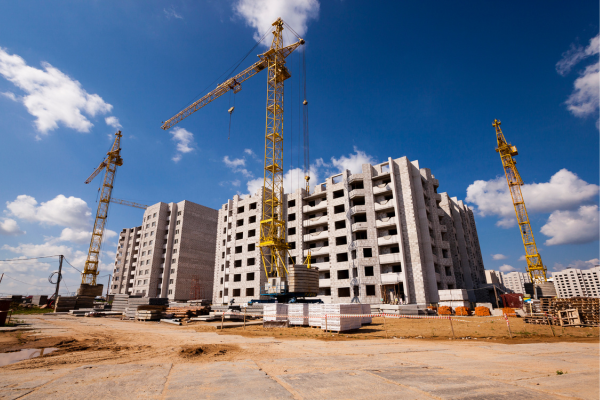
After a delay of nearly 15 years, MHADA has taken over the redevelopment of the Parvati Building in South Mumbai, which had been stuck due to a combination of developer defaults and administrative stagnation. Although the redevelopment was granted approval in 2013, successive attempts to revive the project through two different developers failed, leaving tenants in limbo for over a decade. Advertisement


The move to revive the project came earlier this week, when MHADA, in compliance with a Supreme Court directive, announced its decision to execute the redevelopment on its own. The authority cited the long-standing hardship of tenants and lack of progress as grounds for its intervention. MHADA will now implement the redevelopment under Section 91-A of the Maharashtra Housing and Area Development (Amendment) Act, 2020-a provision that empowers the authority to step in when a private developer fails to execute a project in a reasonable timeframe.
The Supreme Court, while hearing the matter, directed MHADA to provide immediate relief to affected tenants by arranging transit accommodations. In cases where a tenant opts not to move into the designated housing due to location constraints, the eighth respondent in the matter has been instructed to provide rent compensation at prevailing market rates.
This action comes in response to persistent concerns raised by the building's residents and legal representatives over prolonged delays and non-payment of transit rent. Advocate Nilesh Gala, appearing on behalf of the tenants, conveyed that the redevelopment had stalled since 2012, despite efforts involving two developers. He stated that MHADA's intervention follows the spirit of the 2020 amendment, which was introduced specifically to tackle such long-pending projects.
The Supreme Court has set a date in mid-August to assess the progress of the redevelopment initiative and ensure that the measures undertaken by MHADA are on track.
This is not the first time MHADA has assumed such responsibilities. In recent years, the authority has stepped in to oversee and revive a handful of stuck projects across Mumbai's aging cessed buildings particularly in areas like Girgaon, Parel, and Dadar where redevelopment delays have displaced thousands of tenants. MHADA's role has grown even more significant in the wake of legislative reforms aimed at accelerating housing renewal in the metropolis.
The use of Section 91-A to directly manage redevelopment projects demonstrates the state's intent to ensure housing rights are not indefinitely compromised. With judicial backing and legislative clarity, this move by MHADA may well pave the way for systemic reforms and accountability in future real estate developments across the city.

5th Jun, 2025

25th May, 2023

11th May, 2023

27th Apr, 2023
Advertisement





 Facebook
 Whatsapp
