Advertisement










Private equity has played a significant role in shaping Indi...
In today’s real estate landscape, fitness is often treated...
In this episode of Prop Personalities, we sit down with Hars...
Luxury real estate is one of the most talked-about segments ...
Welcome to Prop Personalities by Prop News Time - a podcast ...
In a landmark initiative, the Brihanmumbai Municipal Corporation (BMC) has begun groundwork to transform a 12-acre prime stretch of land in Worli, previously dotted with slum settlements, into a high-end waterfront enclave. The plan, a first of its kind, involves a collaborative effort with the Slum Rehabilitation Authority (SRA) to amalgamate government and private plots and construct a cluster of luxury skyscrapers. This redevelopment, spanning the scenic coastline off the arterial Coastal Road, has sparked controversy among slum dwellers and activists concerned about displacement. Despite this, the BMC envisions a sustainable and economically viable urban model.
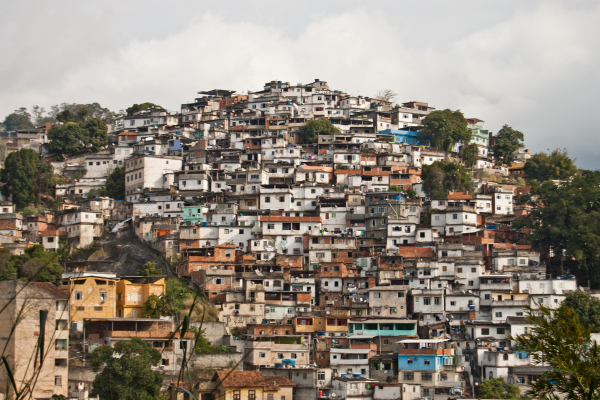
In a bold move to redevelop a key segment of Mumbai's seafront, the Brihanmumbai Municipal Corporation (BMC), in collaboration with the Slum Rehabilitation Authority (SRA), has initiated plans to merge government and private plots along a 12-acre expanse of Worli into a cluster of upscale skyscrapers. The area, currently home to shanties, is being eyed for a massive transformation that aligns with the upcoming Coastal Road corridor, aiming to reshape the city's coastline into a thriving real estate hub. Advertisement


The redevelopment strategy marks the first time BMC and SRA are combining efforts to consolidate such a large stretch of government and private land for luxury real estate purposes. According to officials, this model intends to harness land resources innovatively while rehabilitating existing informal settlements. Authorities revealed that the amalgamated plots, many of which are located off the arterial Dr Annie Besant Road will be made available to developers, subject to certain urban planning conditions.
Sources from the civic body mentioned that the initiative is designed to mirror successful models from international waterfront redevelopments, focusing on high-rises and commercial establishments while incorporating slum rehabilitation schemes under the Development Control and Promotion Regulation (DCPR) 2034 norms. The plan aims to capitalise on the upcoming Coastal Road infrastructure to enhance land value and promote upscale construction.
However, the initiative has met with fierce opposition from residents of the slum colonies, who expressed concern that the redevelopment could lead to large-scale displacement. Several slum dwellers conveyed that they had not been consulted adequately and feared the project would uproot communities that had existed there for decades. Civic activists also criticised the project, calling it a veiled attempt at gentrification under the garb of development.
An SRA official was quoted as saying that their role would focus on providing rehabilitation under existing schemes and that developers would be allotted land only if they agreed to integrate rehabilitation components into their plans. According to them, this is part of a larger vision to ensure that development does not come at the cost of social equity.
Environmentalists have also raised red flags, citing potential violations of Coastal Regulation Zone (CRZ) rules. Critics pointed to similar past projects that faced legal battles over land usage and transparency in builder allotments.
Despite the controversy, the BMC has already begun pre-construction groundwork at several locations in Worli. Civic authorities are confident the redevelopment will not only improve the aesthetics of the coastline but also boost economic potential and real estate value in South Mumbai.
The ambitious project represents a turning point for Mumbai's urban planning, where economic ambition meets social complexity. While the BMC's initiative is backed by the potential of elevated land value and a vision of a global waterfront cityscape, its execution will be under scrutiny for how equitably it handles displacement and rehabilitation. The upcoming months will be critical, not just for construction but for rebuilding public trust and proving that luxury development can coexist with inclusive growth. If executed with fairness, it may well become a blueprint for urban transformation across the country.

5th Jun, 2025

25th May, 2023

11th May, 2023

27th Apr, 2023
Advertisement





 Facebook
 Whatsapp
