Advertisement










Private equity has played a significant role in shaping Indi...
In today’s real estate landscape, fitness is often treated...
In this episode of Prop Personalities, we sit down with Hars...
Luxury real estate is one of the most talked-about segments ...
Welcome to Prop Personalities by Prop News Time - a podcast ...
Mumbai may soon witness the construction of its first underground railway corridor, linking Chhatrapati Shivaji Maharaj Terminus (CSMT) to Parel. Spanning over 17.5 km in two phases, the project is projected to cost around INR 3,000 crore and aims to decongest the city's Central Railway line. Railway authorities have initiated a feasibility study, which includes soil testing and survey work. If approved, the corridor could significantly improve passenger flow, particularly during peak hours, with trains running 25 metres below ground. The project is currently at a conceptual stage, pending further approvals and financial evaluations.
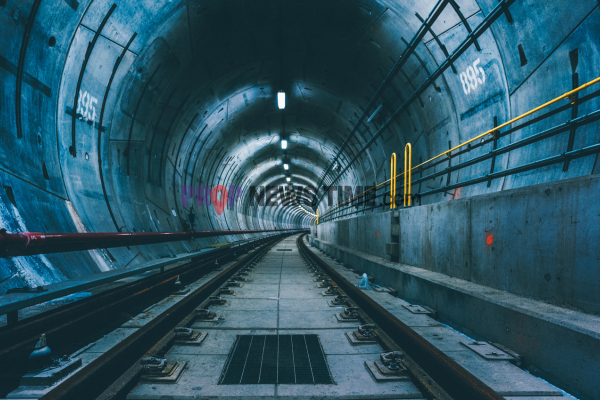
Mumbai may be on the brink of a major transportation milestone, as plans for its first underground railway line are taking shape. Railway authorities have proposed a 17.5-km underground corridor connecting Kurla to CSMT via Parel, with the aim of easing congestion on the heavily burdened Central Railway suburban section. Advertisement


The proposed line will be developed in two phases. Phase 1 covers a 10.1-km stretch between Kurla and Parel, while Phase 2 will continue from Parel to CSMT, adding another 7.4 km. Railway officials noted that the route will run 25 metres below the surface and has been designed to help streamline traffic on what is one of the country's busiest suburban railway networks.
Central Railway has already approached the Railway Board, and the detailed project report is currently in progress. If greenlit, the project could serve approximately 640 trains daily and significantly reduce travel pressure on existing infrastructure. The new line could also help free up surface-level space for other transit priorities or green zones in the long term.
Earlier plans to expand surface-level infrastructure had repeatedly stalled due to land acquisition issues and urban encroachment. The underground route is being seen as a more viable and sustainable solution for future mobility.
If executed, the project could serve as a benchmark for similar urban transit transformations across India. With the railway authorities already engaged in feasibility assessments and high-level planning, this initiative signals a proactive approach to easing congestion while embracing sustainable infrastructure. The proposal also underscores the growing relevance of underground transit in densely populated cities where land is at a premium.

5th Jun, 2025

25th May, 2023

11th May, 2023

27th Apr, 2023
Advertisement





 Facebook
 Whatsapp
