Advertisement










Private equity has played a significant role in shaping Indi...
In today’s real estate landscape, fitness is often treated...
In this episode of Prop Personalities, we sit down with Hars...
Luxury real estate is one of the most talked-about segments ...
Welcome to Prop Personalities by Prop News Time - a podcast ...
Mumbai, once cherished as Bombay the city of dreams is now grappling with urban strain marked by crumbling infrastructure, outdated housing, and unchecked congestion. With nearly 40% of its population living in slums and an overburdened transport system, the demand for resilient urban development has never been more urgent. Redevelopment is emerging as a compelling answer, promising upgraded infrastructure, modern amenities, and economic upliftment. As infrastructure projects like the Coastal Road and Metro Line 3 align with this momentum, the city's skyline and socio-economic dynamics could see transformative change if challenges such as regulatory hurdles and community displacement are addressed holistically.
Bombay once stood not merely as a city but as a sentiment an urban mosaic of sea-sprayed balconies, yellow-black taxis, Irani cafes, art deco heritage, and relentless ambition. It embodied a rare blend of culture, cinema, commerce, and communal harmony. The legacy of the city was as intricate as the seven islands it rose from stitched together by vision and hope. Advertisement


However, that nostalgic charm has steadily been overshadowed by Mumbai's modern urban sprawl. The city now pulses with ambition, yet bears the burden of overcrowding, ageing infrastructure, and a stark divide between dream and reality. Despite retaining its moniker as the 'City of Dreams', many citizens wake each day to structural decay and dwindling liveability.
Today, Mumbai holds one of the highest population densities globally. Its streets are choked with over 4.6 million vehicles, while nearly 40% of its residents reside in slums. Much of the city's housing is outdated and inadequate, failing to meet evolving urban demands. The contrast between its rich legacy and current lag raises a critical question can the essence of Bombay be preserved while constructing a more resilient Mumbai?
The shift brought about by the COVID-19 pandemic has fundamentally altered how people perceive and use their homes. Residential spaces are now multifunctional doubling as workplaces, schools, and sanctuaries. In turn, there is a growing demand for greener surroundings, airy layouts, and sustainable building practices features now considered necessities rather than luxuries.
When meticulously planned, redevelopment optimises the potential of scarce urban land while aiding in the regulation of population density and reducing environmental degradation. These projects are increasingly being woven into the broader urban fabric, aligning with large-scale infrastructure upgrades poised to reshape Mumbai's landscape.
Among them, Metro Line 3, the city's first underground metro, has been expected to slash commute durations drastically. Additionally, the Coastal Road aims to link South Mumbai with its western suburbs in approximately 40 minutes, a stark contrast to the two-hour journey currently endured. These transformative projects are not only easing daily travel for lakhs of residents but also bolstering property values and elevating the overall quality of life.
Ultimately, redevelopment is shaping up to be a powerful tool in balancing Mumbai's triad of challenges: housing scarcity, economic inclusivity, and environmental sustainability. With strategic planning, responsible governance, and engaged stakeholders, Mumbai appears poised for a reinvention that is inclusive, economically sound, and future-forward.
From a sustainability standpoint, redevelopment proves more cost-efficient and resource-conscious. Existing buildings, utility lines, and transport systems are often repurposed resulting in substantial savings. A World Bank report published in 2021 indicated that developers could expect a 20-30% reduction in upfront capital expenditure when undertaking redevelopment. These cost efficiencies can then be reallocated to strengthening technical infrastructure and operational output often enabling faster project completion and earlier market entry. Such speed offers developers a competitive advantage in Mumbai's fast-evolving real estate sector.
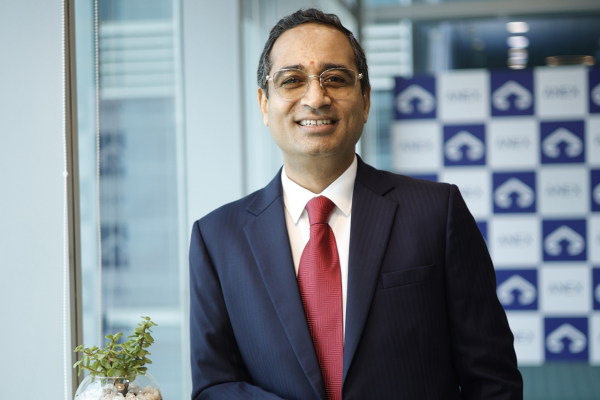
However, reaping the benefits of redevelopment necessitates structured execution. Mr Daga cautioned that developers must prepare for complex regulatory terrain ranging from land title disputes to prolonged approval mechanisms. These challenges, compounded by the need to coordinate with multiple agencies and stakeholders, often slow momentum and demand significant due diligence.
Navigating regulatory complexities, preserving community fabric, and ensuring long-term sustainability will be critical. Mumbai's future depends on striking the right balance between progress and preservation between high-rises and human dignity. The time for that conscious, collective rebuilding has arrived.
The views, opinions, and information expressed in this article are solely those of the author and do not necessarily reflect the views of Prop News Time. The content has not been independently verified or endorsed by Prop News Time. Readers are advised to exercise their own discretion and seek professional advice if required.

5th Jun, 2025

25th May, 2023

11th May, 2023

27th Apr, 2023
Advertisement





 Facebook
 Whatsapp
