Advertisement










When should a housing society in Mumbai start considering re...
From GST on JDAs to SEBI’s REIT reclassification and the S...
Stay ahead in the world of real estate with our daily podcas...
Stay ahead in the world of real estate with our daily podcas...
To challenge road transport dominance, Indian Railways is planning to cut freight rates for cargo within 300 km, starting with pilots in Gujarat and Maharashtra. Aimed at sectors like coal, cement, and steel, the policy seeks to tap into under-utilised short-haul potential. With current rail rates nearly twice that of road at INR 1.36/tonne/km, last-mile delivery remains a bottleneck. Plans include 100,000 new sidings and improved terminals to speed up cargo flow. If successful, the move could help boost Indian Railways' freight share from 28% to 35% and reshape logistics along key industrial corridors.
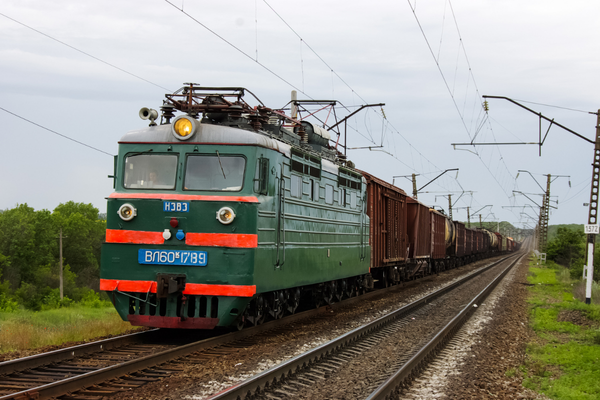
The Indian Railways is planning a rate cut to make itself more competitive with trucks, especially for cargo movement within 300 km. Advertisement


Government officials say the policy is being piloted in regions like Gujarat and Maharashtra, where infrastructure upgrades are already in progress. Dedicated tracks and sidings are being improved to handle time-sensitive consignments, currently dominated by road transport.
The idea is to unlock short-haul potential in sectors such as coal, cement, and steel, while eventually expanding into under-utilised segments. If successful, Indian Railways plans to increase its freight share from the current 28% to 35% in the coming years.
Currently, short-distance rail freight remains nearly twice as costly as road transport, with rates at INR 1.36 per tonne per km. The challenge is further compounded by last-mile logistics, which continues to be a bottleneck. A senior railway official noted that if last-mile delivery can be streamlined and rates reduced, rail freight could pose a direct challenge to the trucking sector.
The policy's initial draft is being refined, with plans to roll it out in phases based on sector response. Between FY14 and FY24, dedicated freight terminal growth rose from 1,875 to 4,300 terminals.
As part of the initiative, railways is planning 100,000 new sidings under a dedicated model to enable faster cargo movement, warehousing access, and efficient loading-unloading processes.
While waterways remain a niche cargo segment at INR 1.06 per tonne per km, the short-haul rail initiative is being closely watched as it could redefine how goods move across industrial corridors.

5th Jun, 2025

25th May, 2023

11th May, 2023

27th Apr, 2023
Advertisement








 Facebook
 Whatsapp
