Advertisement










When should a housing society in Mumbai start considering re...
From GST on JDAs to SEBI’s REIT reclassification and the S...
Stay ahead in the world of real estate with our daily podcas...
Stay ahead in the world of real estate with our daily podcas...
From April 1, 2026, India will implement an Extended Producer Responsibility (EPR) framework mandating construction firms to recycle 50% of their demolition waste, rising to 100% in later years. Applicable to projects over 20,000 sq m, the rules require registration and submission of waste management plans on a CPCB portal. Non-compliance will attract environmental penalties. Developers must also begin using recycled materials-5% by 2026-27, rising to 25% by 2030-31. The move targets the country's massive 150-500 million tonnes of annual C&D waste, aiming to standardize practices, reduce pollution, and promote circular economy principles in the construction sector.
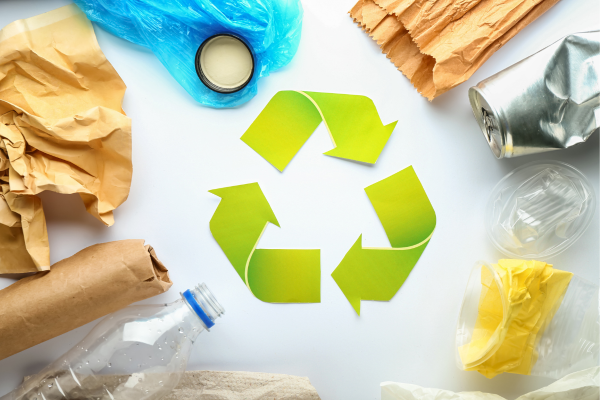
?India is set to implement a new Extended Producer Responsibility (EPR) framework to manage construction and demolition (C&D) waste, effective from April 1, 2026. This initiative aims to address the significant environmental challenges posed by the estimated 150-500 million tonnes of C&D waste generated annually across the country. The framework mandates that developers of construction projects with a built-up area of 20,000 square meters or more are responsible for the environmentally sound disposal and recycling of their waste. Advertisement


Under the new rules, developers must register on a dedicated online portal and submit a comprehensive waste management plan to the Central Pollution Control Board (CPCB). This plan should detail the expected quantity of waste and outline strategies for its collection, segregation, and recycling. Starting from the 2025-26 fiscal year, at least 50% of waste from demolition or reconstruction activities must be recycled, with the target increasing to 100% in subsequent years. Additionally, from 2026-27, new construction projects are required to incorporate a minimum of 5% recycled materials, escalating to 25% by 2030-31. ?
Non-compliance with these regulations will attract environmental compensation penalties, calculated based on the extent of environmental damage caused. These penalties do not absolve the developers of their responsibilities; unfulfilled obligations will carry over for up to three years. The funds collected from these penalties will be utilized exclusively for the collection and recycling of uncollected, legacy, and orphan waste.
The National Capital Region (NCR) currently generates approximately 6,303 tonnes of C&D waste daily, with about 78% being processed. However, other regions in India lack adequate processing facilities, leading to unauthorized dumping and environmental degradation. The new EPR framework aims to standardize waste management practices across the country, promoting sustainable construction and reducing pollution. ?
The introduction of the EPR framework for C&D waste marks a significant step towards sustainable urban development in India. By holding developers accountable for their waste and promoting the use of recycled materials, the country moves closer to achieving its environmental goals and building a greener future.

5th Jun, 2025

25th May, 2023

11th May, 2023

27th Apr, 2023
Advertisement








 Facebook
 Whatsapp
