Advertisement










Private equity has played a significant role in shaping Indi...
In today’s real estate landscape, fitness is often treated...
In this episode of Prop Personalities, we sit down with Hars...
Luxury real estate is one of the most talked-about segments ...
Welcome to Prop Personalities by Prop News Time - a podcast ...
Mumbai's BMC has launched a policy to convert vacant land tenancy (VLT) plots into leased properties for public purposes, aiming to boost revenue and streamline land use. Covering 3,600 VLT plots in key areas like Dadar, Sion, and Parel, the initiative seeks to prevent encroachments and optimize urban planning. The policy, expected to generate INR 2,000 crore in four years, includes a one-time premium (62.5% of ready reckoner rate) and annual ground rent. While implementation challenges remain, the BMC asserts that this move will enhance land management and contribute to Mumbai's urban transformation.
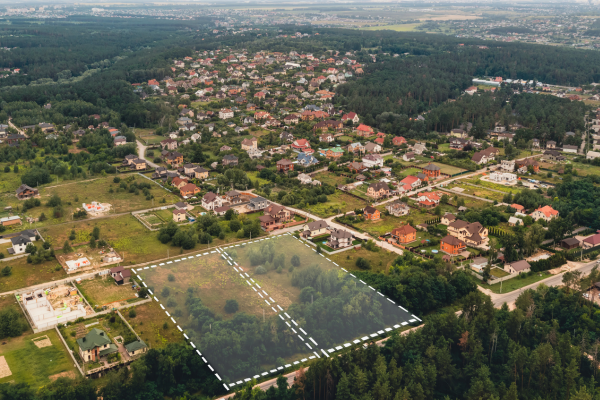
Mumbai's urban landscape is on the cusp of a significant transformation as the Municipal Corporation (BMC) takes decisive steps to convert vacant land tenancy (VLT) plots into leased properties for public purposes. Recently, the BMC approved a standard operating procedure (SOP) for processing these VLT-to-lease conversions. This new initiative, finalized almost a month after the BMC budget for 2025-26 announced the policy, is aimed at utilizing the city's underused land assets more efficiently while generating additional revenue. Advertisement


Under the updated policy, which has been approved by the BMC administrator, proposals for developing or leasing vacant land for public purposes will now follow revised guidelines. The policy and its associated SOPs have been made publicly available on the BMC website, and a circular has been issued to various civic officials, including additional and deputy municipal commissioners, city engineers, and executive health officers. The move is seen as a proactive measure to streamline the leasing process and encourage better management of the city's vacant land stock.
A key feature of the policy is its focus on the 3,600 VLT plots scattered across Mumbai. These plots, predominantly located in prime areas such as Dadar, Sion, and Parel, typically measure between 200 and 500 square meters. Historically, these lands have been used to house social institutions, petrol pumps, religious organizations, banks, and private companies. However, many of these plots have also been subject to encroachments, further complicating urban planning efforts.
In his budget speech, the BMC chief emphasized that the new policy would facilitate the development of specific land parcels, ultimately helping the civic body generate an estimated INR 2,000 crore in revenue over the next four years. This revenue is expected to come from a combination of a one-time premium and annual ground rent payments. The one-time premium is calculated at approximately 62.5 percent of the ready reckoner rate, ensuring that the conversion of VLT properties into leased assets provides significant fiscal benefits for the city.
Critics argue that the success of the scheme will largely depend on effective implementation and strict enforcement. Some stakeholders worry that the conversion process, if not managed properly may lead to further legal complications and delays in urban redevelopment. Nonetheless, the BMC remains committed to its vision, asserting that this policy will not only generate vital revenue but also contribute to the orderly development of Mumbai's urban fabric.

5th Jun, 2025

25th May, 2023

11th May, 2023

27th Apr, 2023
Advertisement





 Facebook
 Whatsapp
