Advertisement










Private equity has played a significant role in shaping Indi...
In today’s real estate landscape, fitness is often treated...
In this episode of Prop Personalities, we sit down with Hars...
Luxury real estate is one of the most talked-about segments ...
Welcome to Prop Personalities by Prop News Time - a podcast ...
Malabar Hill's Shantivan Gardens, now renamed "The Nest," is set to reopen by month's end, offering a revitalized urban green space focused on biodiversity and sustainability. Featuring 8,000 new plants, 350 species-including 200 native ones-and thematic zones for butterflies, birds, and medicinal plants, the garden promotes ecological balance. Infrastructure upgrades include a central gazebo, a stream, QR-coded plant details, and eco-friendly pathways. Executed by The Heritage Project, BMC, and corporate partners like Zensar Technologies, this initiative aligns with Mumbai's green corridor vision. "The Nest" exemplifies sustainable urban development, fostering community engagement and enhancing the city's green footprint.
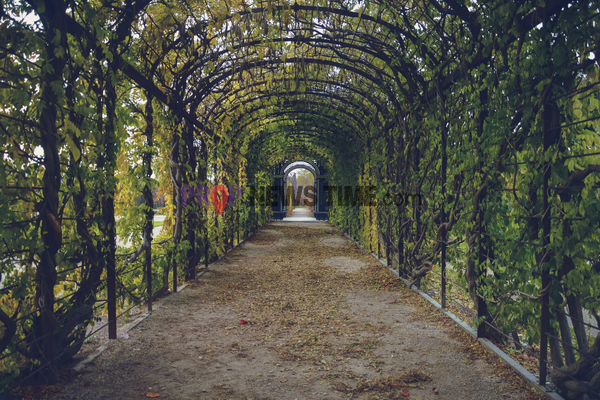
Mumbai's Malabar Hill is set to welcome visitors to a revitalized green space with the reopening of Shantivan Gardens by the end of this month. Renamed "The Nest," this project marks a significant step towards enhancing urban biodiversity and creating a sustainable ecosystem within the city. Advertisement


The redevelopment of Shantivan Gardens has introduced over 8,000 new plants, emphasizing the importance of native flora. These additions aim to promote ecological balance by creating habitats conducive to local wildlife. Approximately 70% of the plants are native species, while the remaining 30% are carefully selected exotic varieties, ensuring a harmonious mix. The garden is now home to 350 plant species, including nearly 200 native ones, along with an increased population of birds, butterflies, and other fauna.
To enhance its ecological significance, the garden's layout has been redesigned into seven thematic zones. These zones highlight indigenous, aromatic, aquatic, bird, butterfly, medicinal, and carbon-sink plants. This zoning ensures the garden offers a diverse experience to visitors while supporting the migration and dispersal of flora and fauna within the city.
At the heart of "The Nest" is a central gazebo, which serves as a focal point for recreational activities. A new stream has been added to the landscape, complementing the greenery and providing a tranquil atmosphere. To ensure accessibility and education, QR codes have been installed, allowing visitors to learn more about the plant species within the garden. Additionally, a small amphitheater has been built to host community events, workshops, and cultural activities.
Efforts have also been made to improve infrastructure, including the installation of eco-friendly sanitation facilities. A unique material called stone crete has been used to construct pathways and seating areas, ensuring durability and sustainability. The garden now aligns with the city's green corridor initiative, which aims to connect existing open spaces with new ones across Mumbai.
The project was executed in collaboration with The Heritage Project (THP), the Brihanmumbai Municipal Corporation (BMC), and local stakeholders. Radha Goenka, the founder of THP, emphasized the importance of urban green spaces in fostering a deeper appreciation for nature and creating a resilient future for upcoming generations. "The Nest" is part of a broader vision to link green spaces along Mumbai's western coastline and beyond.
This redevelopment also highlights the role of corporate partnerships, with support from organizations like Zensar Technologies and CEAT Tyres. These collaborations underscore the growing recognition of urban biodiversity's role in improving city living conditions.
The reopening of Shantivan Gardens signals a shift towards sustainable urban development in Mumbai. By focusing on biodiversity and community engagement, the project sets a benchmark for similar initiatives in the city. As visitors explore "The Nest," they will experience not just a garden but a living example of how urban spaces can coexist with nature.

5th Jun, 2025

25th May, 2023

11th May, 2023

27th Apr, 2023
Advertisement





 Facebook
 Whatsapp
