Advertisement










Private equity has played a significant role in shaping Indi...
In today’s real estate landscape, fitness is often treated...
In this episode of Prop Personalities, we sit down with Hars...
Luxury real estate is one of the most talked-about segments ...
Welcome to Prop Personalities by Prop News Time - a podcast ...
The Brihanmumbai Municipal Corporation (BMC) plans to impose property tax on commercial establishments in slum areas, aiming to generate INR 350 crore in FY 2025-26. This move is part of a broader strategy to increase revenue, with the total property tax collection target set at INR 5,200 crore. Additionally, the BMC is considering introducing a Solid Waste Management (SWM) user charge after further legal consultation. While the tax aims to fund urban services and infrastructure, it has faced criticism for its potential impact on small businesses. This approach aligns with urban bodies' efforts to expand tax bases amid growing infrastructure demands.
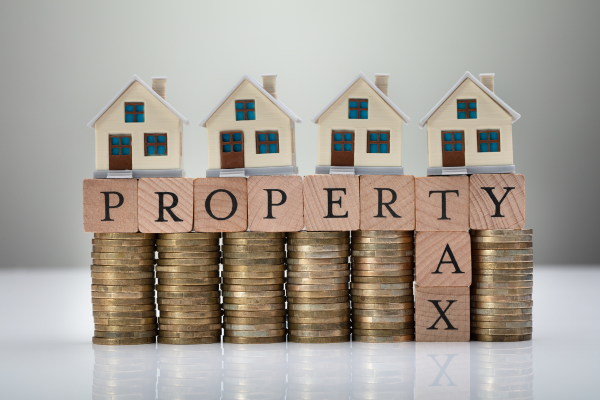
The Brihanmumbai Municipal Corporation (BMC) has announced plans to impose property tax on commercial establishments located in slum areas. This decision is part of a broader strategy to increase revenue for the city, with an estimated additional income of INR 350 crore expected in the financial year 2025-26. BMC Commissioner Bhushan Gagrani shared these details during a press conference following the budget presentation. Advertisement


The total property tax collection target for the BMC in the next financial year is set at INR 5,200 crore. Overall, the civic body anticipates generating over INR 43,000 crore from various revenue sources. The new property tax will be based on the size and location of the properties, and a survey of businesses in slum areas has already begun to assess these factors.
In addition to the property tax, the BMC is considering introducing a Solid Waste Management (SWM) user charge. However, this charge will not be implemented in the upcoming financial year. Instead, the BMC plans to phase in this charge after consulting legal experts and following guidelines from the Union government.
The BMC argues that the revenue generated from these measures will help improve services and infrastructure for slum residents. However, the announcement has sparked criticism from opposition parties. This move by the BMC comes at a time when Mumbai continues to face challenges related to urban infrastructure and waste management. The city has a large population living in slum conditions, and the new tax policies could impact the livelihood of small business owners operating in these areas.
The BMC's decision reflects a growing trend among urban local bodies in India to enhance revenue through property taxation, especially in informal settlements. As cities expand and the demand for services increases, local governments are exploring various avenues for funding, including taxes on commercial activities in slum areas. This approach raises questions about equity and the long-term sustainability of urban development policies.

5th Jun, 2025

25th May, 2023

11th May, 2023

27th Apr, 2023
Advertisement





 Facebook
 Whatsapp
