Advertisement










Private equity has played a significant role in shaping Indi...
In today’s real estate landscape, fitness is often treated...
In this episode of Prop Personalities, we sit down with Hars...
Luxury real estate is one of the most talked-about segments ...
Welcome to Prop Personalities by Prop News Time - a podcast ...
The Brihanmumbai Municipal Corporation (BMC) has proposed an ambitious plan to revamp the 26-kilometre Western Express Highway (WEH) spanning from Bandra East to Dahisar. This initiative, revealed during a recent meeting, aims to address traffic bottlenecks, improve road quality, and standardise footpaths, signage, and medians. Civic chief Bhushan Gagrani emphasised collaboration among agencies, including the BMC, traffic police, and MSRDC, to ensure effective implementation. Immediate measures, such as improved drainage systems, robust streetlights, and removal of scrap vehicles, were also highlighted. If successful, this project could bring significant relief to over 2.2 million daily commuters.
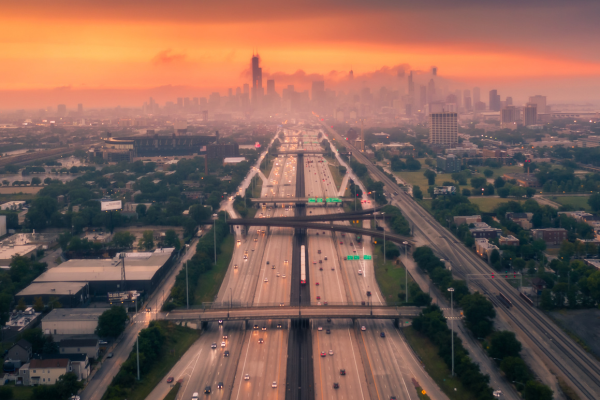
A transformation could soon take place in Mumbai's western suburbs, as the Brihanmumbai Municipal Corporation (BMC) recently announced plans to draft a policy aimed at improving the 26-kilometre stretch of the Western Express Highway (WEH) from Bandra East to Dahisar. Advertisement


During the meeting, civic chief and administrator Bhushan Gagrani outlined a detailed proposal that includes eliminating bottlenecks, enhancing road quality, and introducing standardised norms for footpaths, medians, signage, and railings. If implemented effectively, the initiative could ease congestion for approximately 2.2 million motorists who travel the WEH daily.
Gagrani instructed the deputy municipal commissioner for infrastructure, Ulhas Mahale, to develop a standard operating procedure (SOP) for resolving long-standing issues, such as bottlenecks, while also urging the traffic police and the Maharashtra State Road Development Corporation (MSRDC) to actively collaborate. Although Gagrani noted that the highway is currently free of potholes, he highlighted the need to address humps caused by mastic asphalt technology and improve road conditions.
The proposal also prioritises better rainwater drainage systems to tackle monsoon-related challenges. Gagrani emphasised the importance of sealing open sewage drains and ensuring sturdy drainage covers. Additionally, streetlights along the highway, including flyovers and underpasses, must remain functional.
Further enhancements, such as resurfacing narrow roads, removing abandoned vehicles, and adding zebra crossings, were also discussed. Gagrani suggested beautifying the highway with greenery and colour-coded dividers while ensuring routine maintenance of dividers and footpaths. He also urged the traffic police to issue no-objection certificates promptly to avoid delays in project execution.
The BMC is collaborating with IIT-Bombay on road-concretisation, and Gagrani expressed confidence in leveraging IIT's expertise for other aspects of the project. He stressed that successful implementation depends on coordinated efforts among all involved agencies.
The proposed improvements to the Western Express Highway reflect the BMC's commitment to addressing urban mobility challenges in Mumbai. By focusing on standardising road elements, resolving bottlenecks, and implementing long-term solutions such as better drainage and streetlight maintenance, the initiative aims to create a safer and more efficient commuting experience. However, its success will hinge on inter-agency collaboration and timely execution. If realised as planned, this project could significantly enhance daily travel for millions of residents and set a benchmark for urban infrastructure projects.

5th Jun, 2025

25th May, 2023

11th May, 2023

27th Apr, 2023
Advertisement





 Facebook
 Whatsapp
