Advertisement








When should a housing society in Mumbai start considering re...
From GST on JDAs to SEBI’s REIT reclassification and the S...
Stay ahead in the world of real estate with our daily podcas...
Stay ahead in the world of real estate with our daily podcas...
The World Bank has approved a USD 800 million loan to develop Amaravati, an ambitious new city in Andhra Pradesh, India. The funding will support the creation of a climate-resilient, well-managed urban growth center. Amaravati, expected to be part of a broader metropolitan region with Vijayawada and Guntur, will be designed to accommodate 3.5 million people by 2050. The project is set to attract significant private-sector investment and will focus on building sustainable infrastructure, including roads, public transport, and flood-mitigation systems. The World Bank is also working with the Asian Development Bank to finance the city's initial phase.
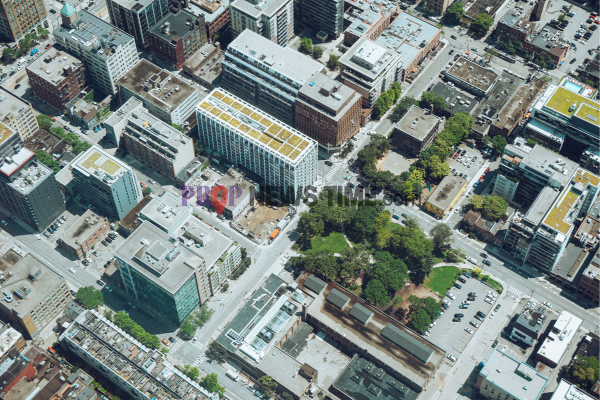
The World Bank has recently granted a loan of USD 800 million to aid in the development of Amaravati, a city in Andhra Pradesh that holds great potential for growth. Located along India's east coast and well-connected to nearby cities like Vijayawada and Guntur, Amaravati is set to become a key part of a larger metropolitan region. Advertisement


The goal of this project, as outlined by the World Bank, is to transform Amaravati into a climate-resilient, well-managed city. The funding will primarily support the development of infrastructure and institutions that will drive economic growth. The World Bank's Country Director for India, Auguste Tano Kouame, highlighted that the bank's involvement will bring global expertise to create sustainable urban solutions.
India is facing rapid urbanisation, with its urban population expected to nearly double by 2050. To keep up with this growth, the country aims to build cities that are not only sustainable but also capable of fostering economic opportunities. Amaravati, with its forward-thinking master plan, is seen as a prime example of this transformation in action.
Currently, Amaravati's population is around 100,000, but this is expected to grow substantially over the next decade. The state government has already prepared a master plan that could accommodate up to 3.5 million people by 2050. This growth will require significant infrastructure development, including roads, public transport systems, and water and wastewater management.
The first phase of Amaravati's development will receive joint support from the World Bank and the Asian Development Bank (ADB). The World Bank's contribution will also help unlock an additional USD 600 million in private-sector investments, ensuring the financial sustainability of the city in the long term. A key focus of this project is the city's infrastructure. The World Bank will use its global knowledge in sustainable urban design to ensure that Amaravati's trunk infrastructure-such as roads, public transport, and flood-mitigation systems-is built to last. These systems will be essential for ensuring the city's resilience as it grows.
This loan, with a maturity period of 29 years and a grace period of six years, is a critical step towards establishing Amaravati as both the state capital and an economic hub for Andhra Pradesh. Earlier this week, the Asian Development Bank (ADB) also approved a loan of USD 788.8 million to support the development of Amaravati. Both the World Bank and ADB's involvement highlights the importance of this project and their commitment to making it a success.
The approval of a USD 800 million loan by the World Bank is a significant step in the development of Amaravati. The project will not only provide essential infrastructure for the city but will also attract private investment and help position Amaravati as a sustainable and thriving urban hub. With the support of the World Bank and the Asian Development Bank, the city is set to become a key economic and administrative center for Andhra Pradesh by 2050.

5th Jun, 2025

25th May, 2023

11th May, 2023

27th Apr, 2023
Advertisement








 Facebook
 Whatsapp
